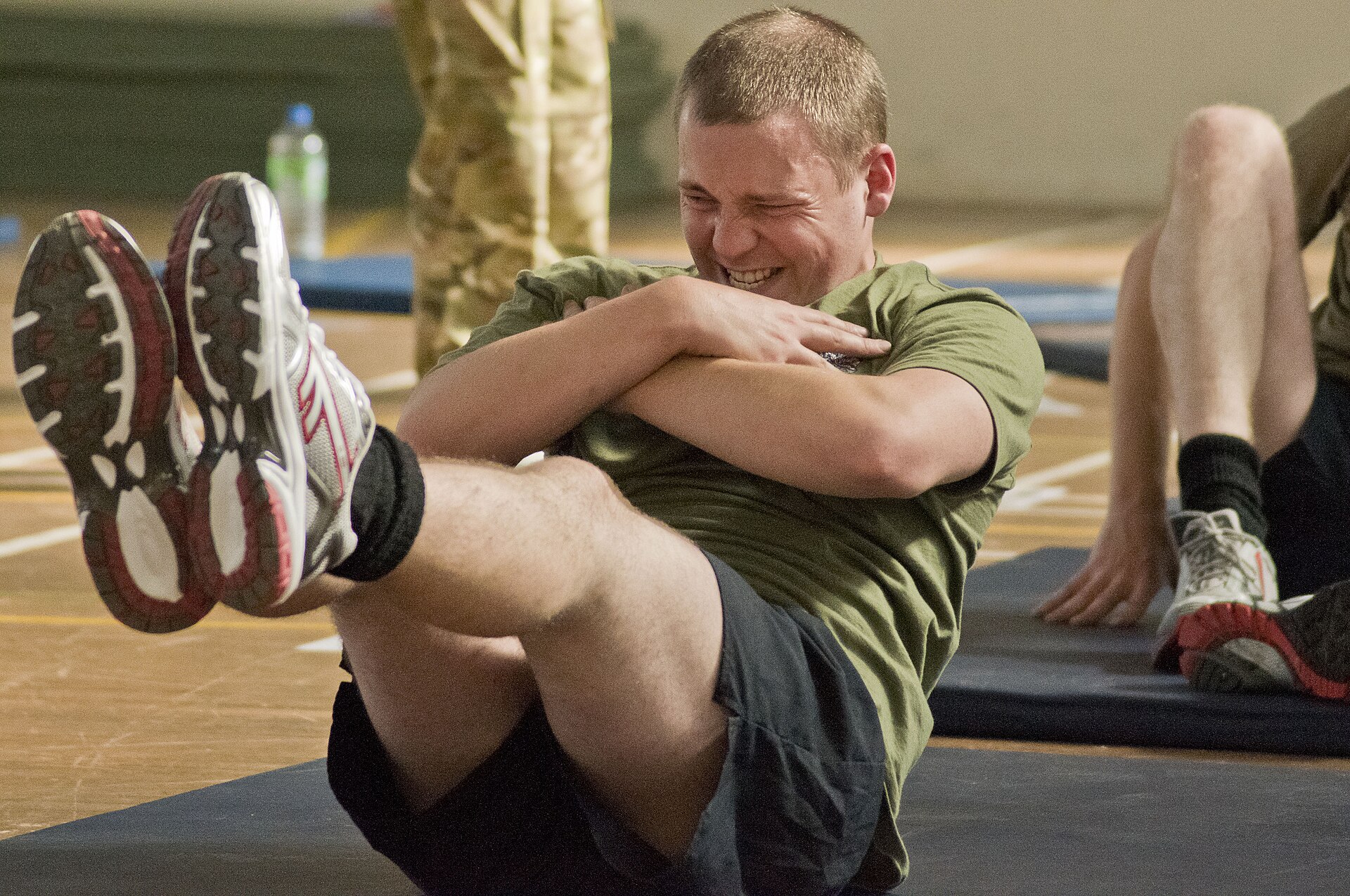
Yvonne Ridley examines the unresolved questions around any return to conscription, especially for British citizens whose family ties and citizenship span more than one country.
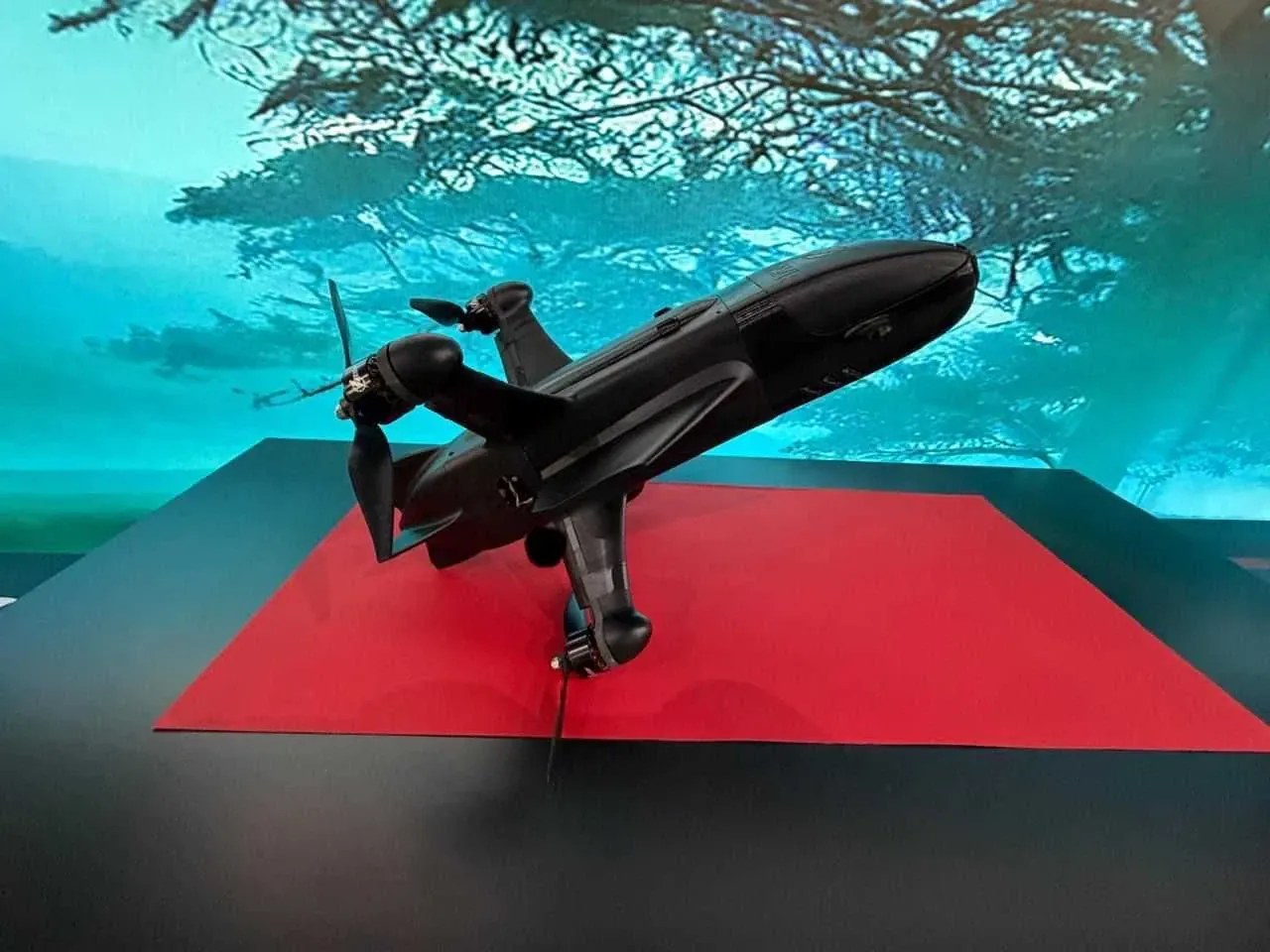
Theo Mullis argues that Washington is shifting blame for the political costs of its Iran policy onto Kyiv, as disputes over Starlink and military support deepen.
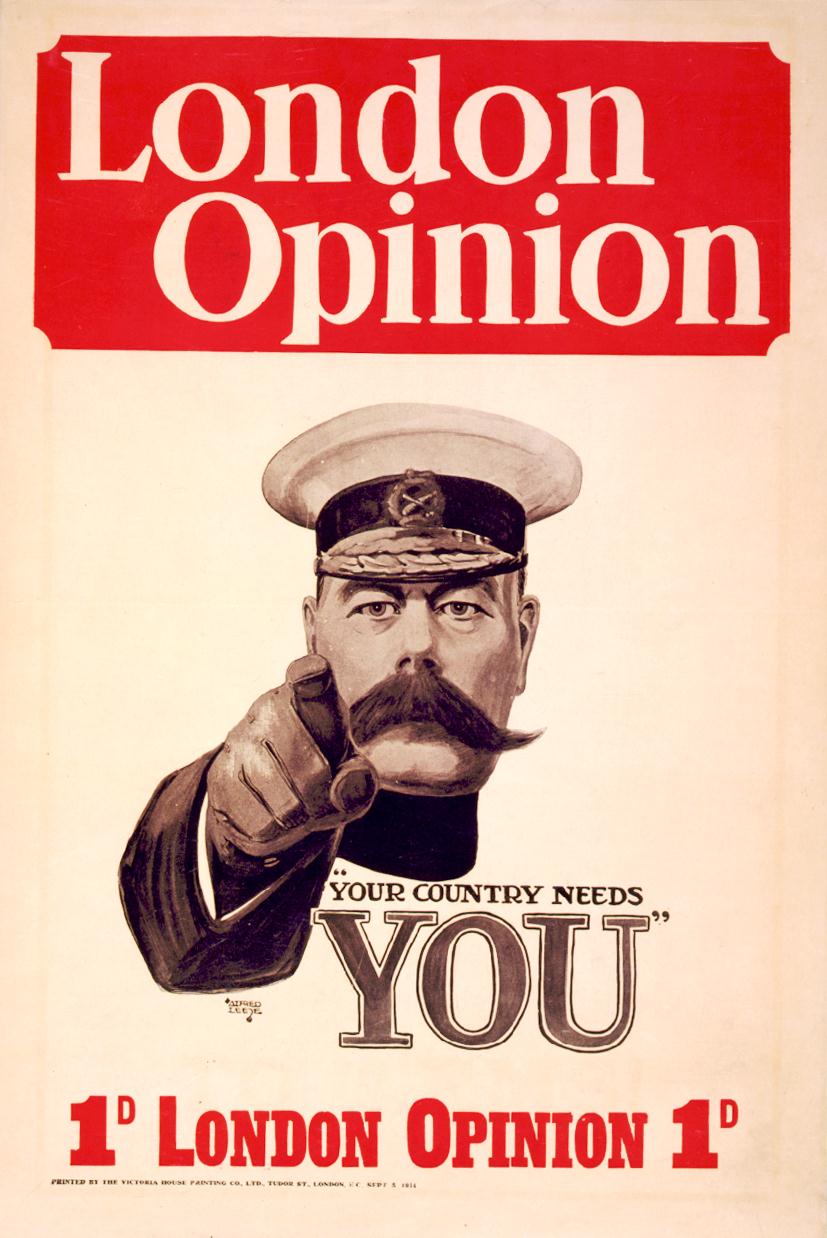
As Britain talks of military readiness, Yvonne Ridley asks where voluntary service ends, how far state power should reach, and whether citizens should be compelled to fight.

Arun Anand examines the competing security and political arguments surrounding the removal of Khyber Pakhtunkhwa’s elected government and the imposition of governor’s rule.

Ramsha Afridi examines the forces reshaping political power, technology, money and everyday freedom.

Pakistan’s emergency measures in Khyber Pakhtunkhwa raise a constitutional question: is security being used to suspend an elected opposition?
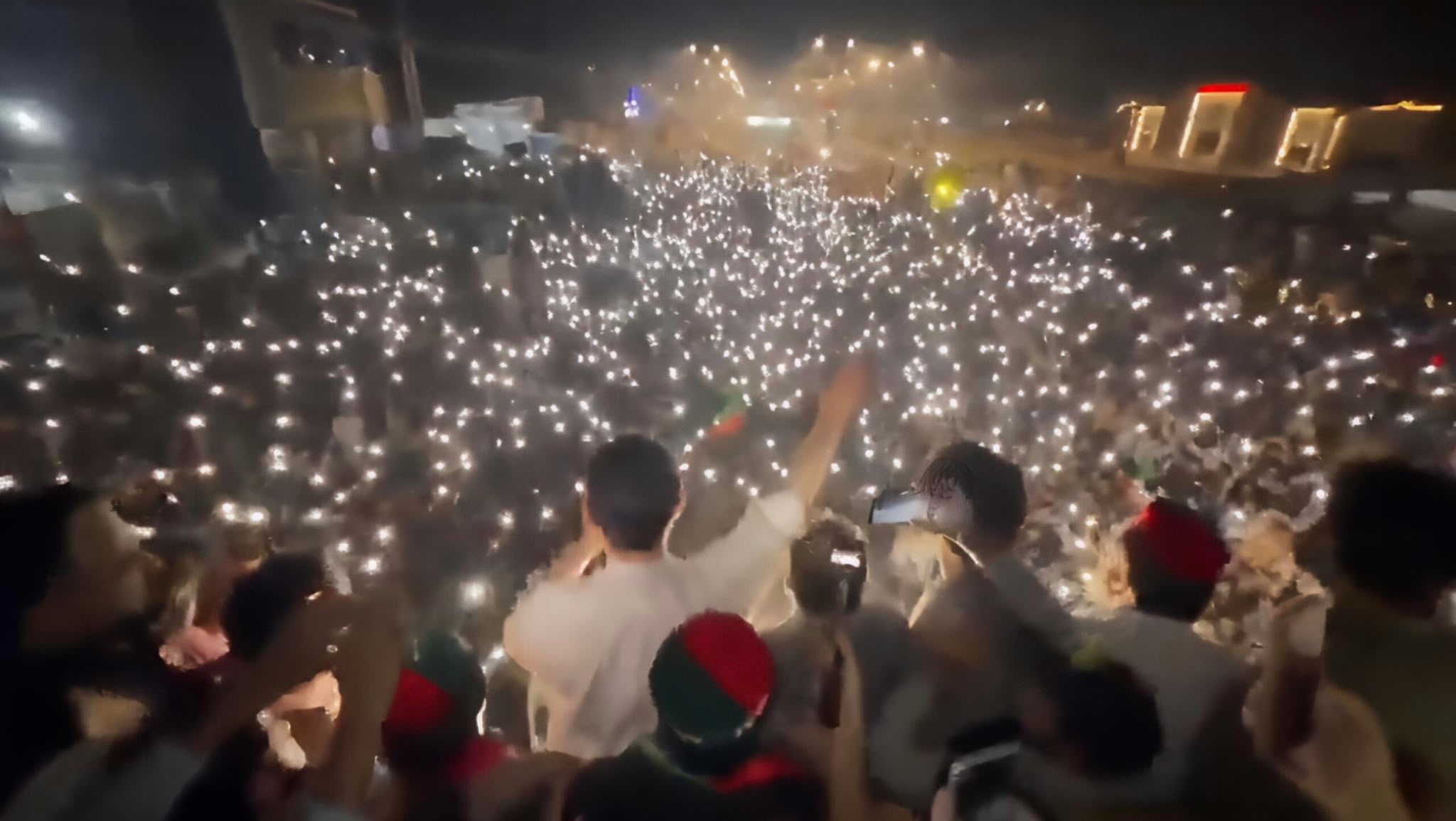
The suspension of Khyber Pakhtunkhwa’s elected provincial government tests the limits of emergency powers — and the resilience of Pakistan’s federation.

Pakistan’s long history of military rule and foreign-backed power has left its civilian institutions paying the price.
As PTI supporters move through Khyber Pakhtunkhwa after talks collapsed, Pakistan’s real test is whether a political dispute can be answered with dialogue rather than barriers, force and silence.

Mark Carney’s turn towards Europe is more than a trade adjustment: it is a warning that sovereignty, values and strategic autonomy can no longer be taken for granted in Canada’s relationship with the United States.
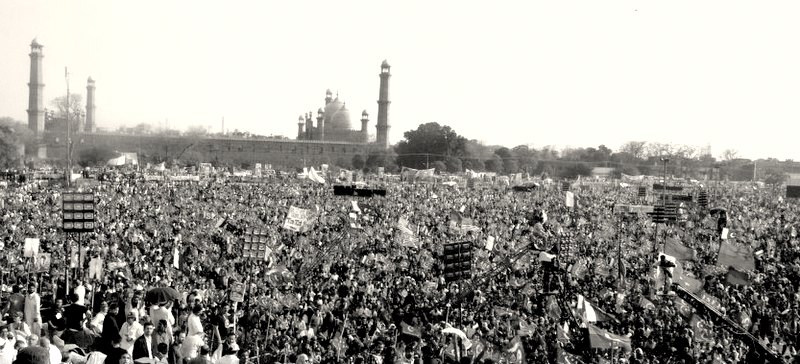
Pakistan’s history offers a warning: when institutions override the public’s vote, coercion can destroy legitimacy without creating consent.

A politico‑literary reflection for a world seeking stability and justice
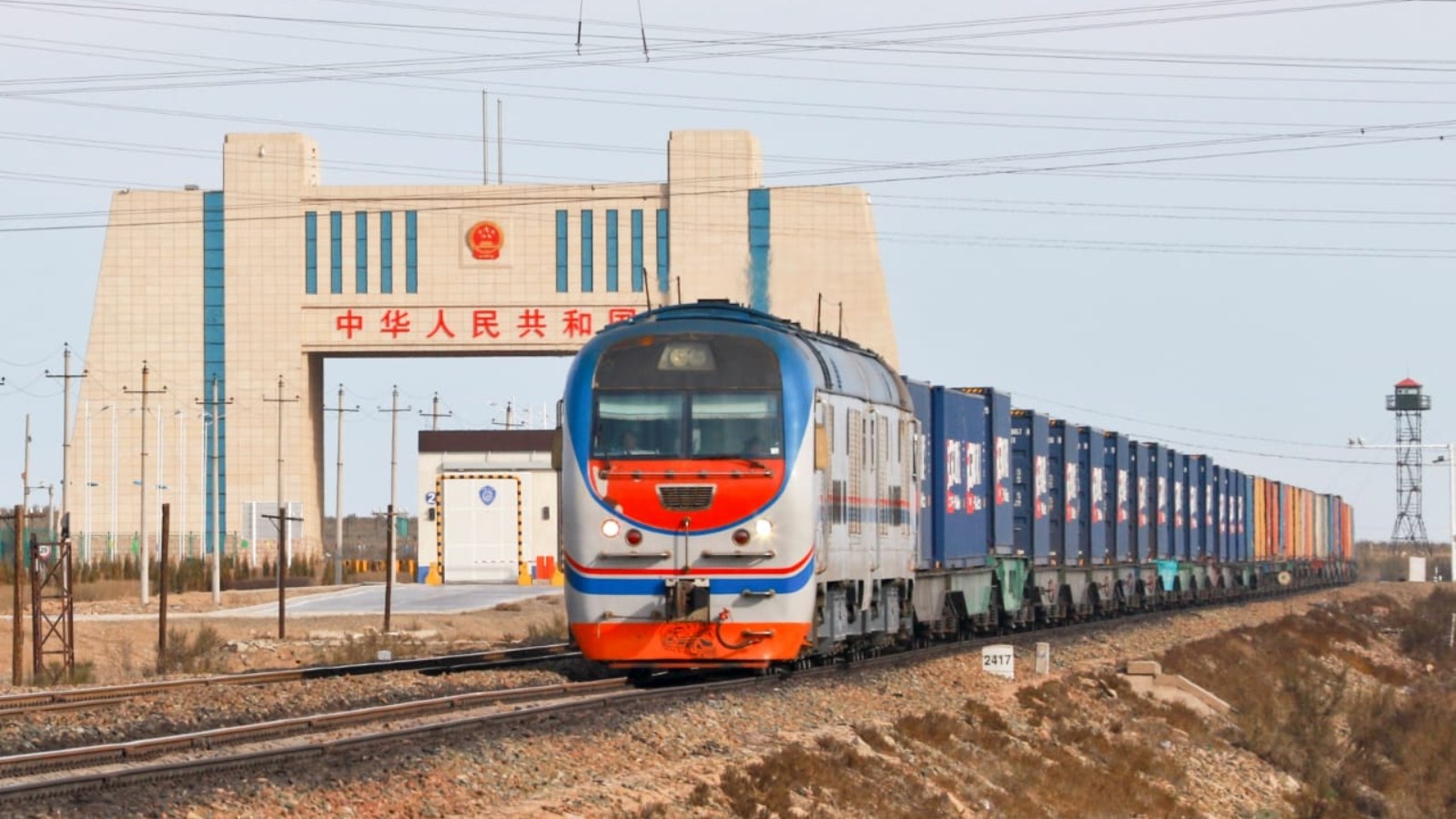
Arun Anand examines how Chinese investment, infrastructure and security cooperation are reshaping Central Asia — and asks what the region may be trading away as Beijing’s influence deepens.
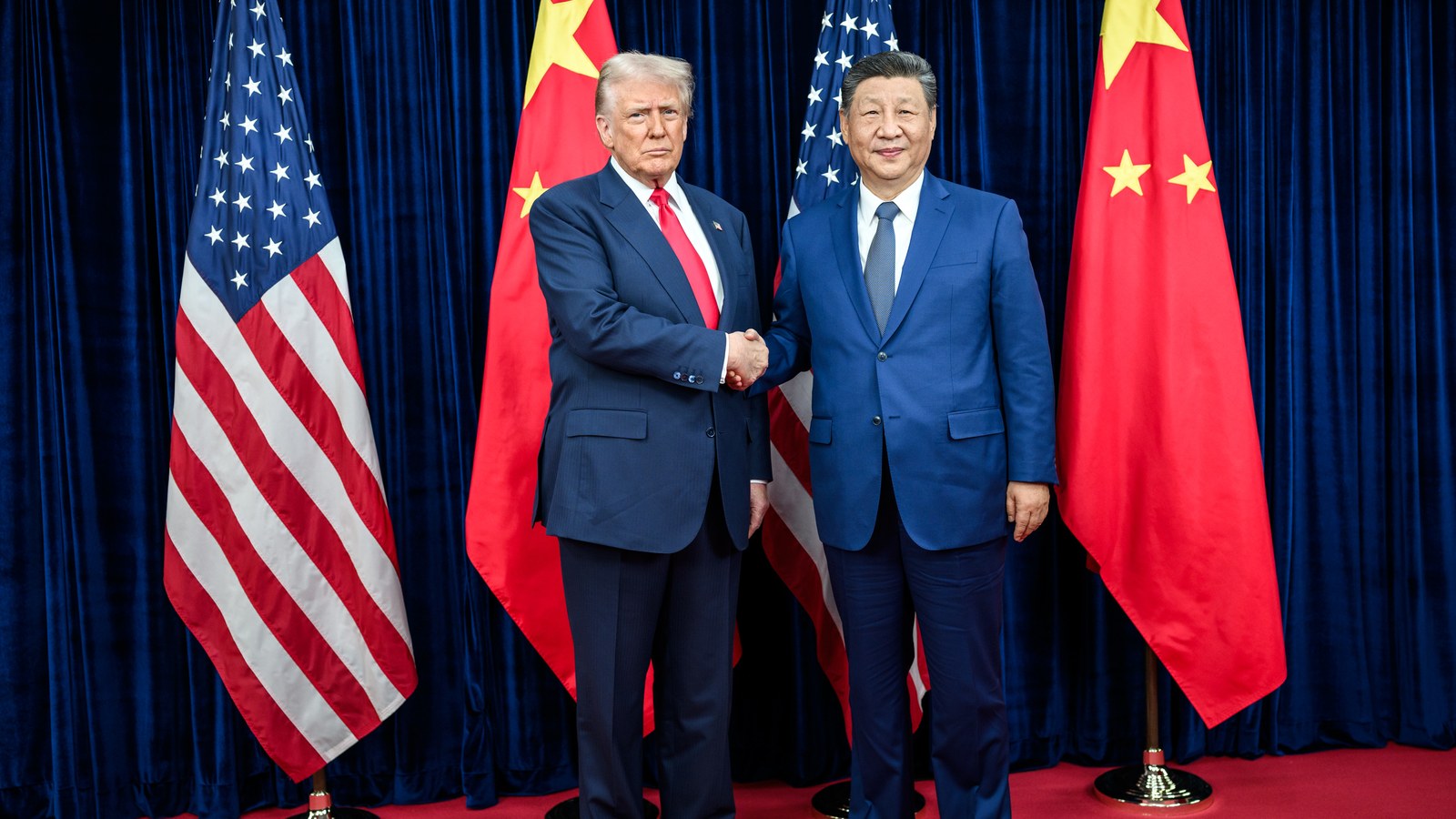
As Xi Jinping arrives in Washington, China’s ability to support partners under pressure while preserving access to their adversaries gives Beijing leverage across the Gulf, South Asia, Europe and the wider global order.

The removal of Macklemore from Ed Sheeran’s U.S. tour is not simply a booking dispute. It is a bracing test of whether an artist may still possess a conscience when powerful men, wealthy venue owners and political pressure insist that conscience be checked at the door.
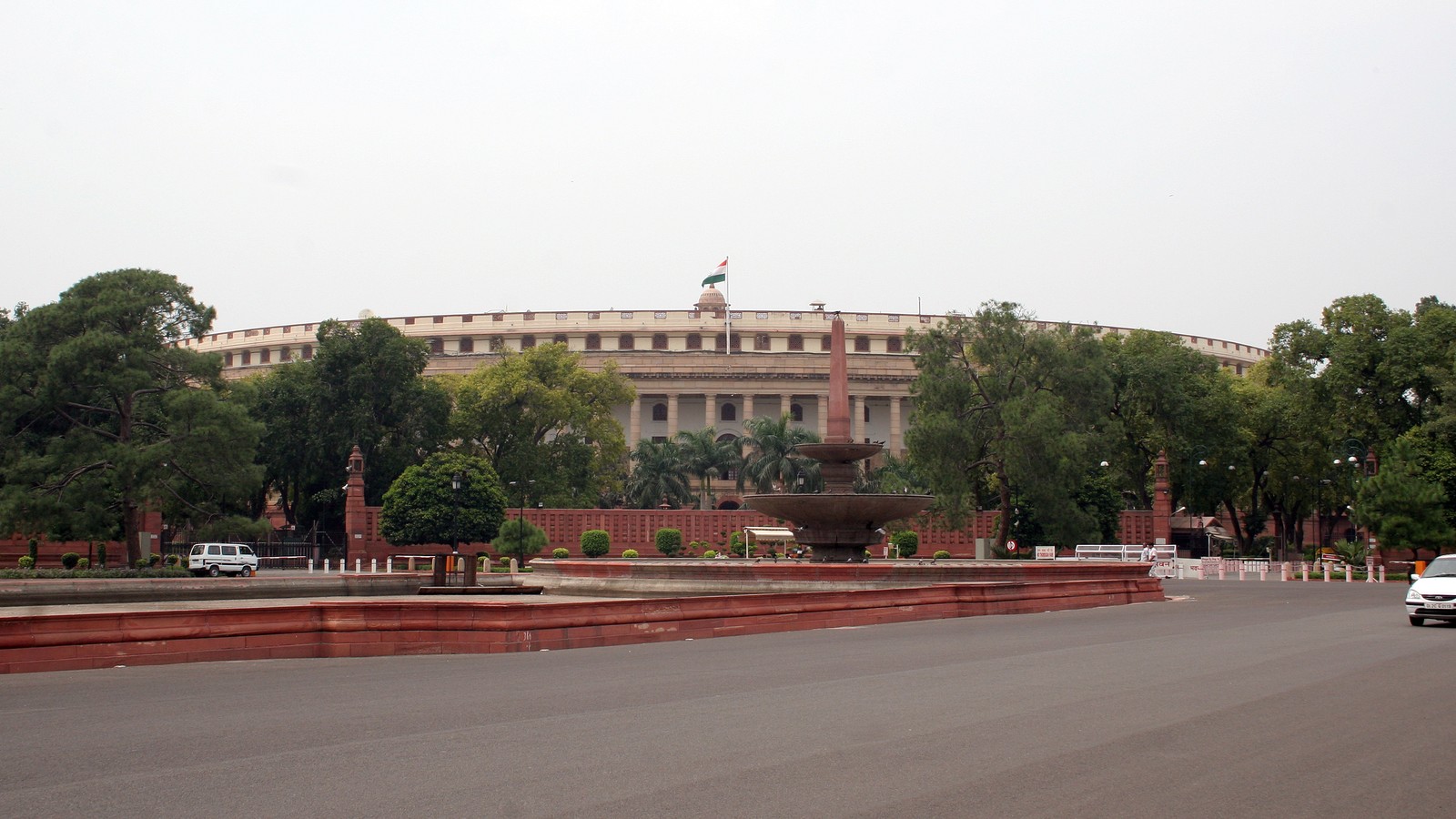
Whose side are they on?
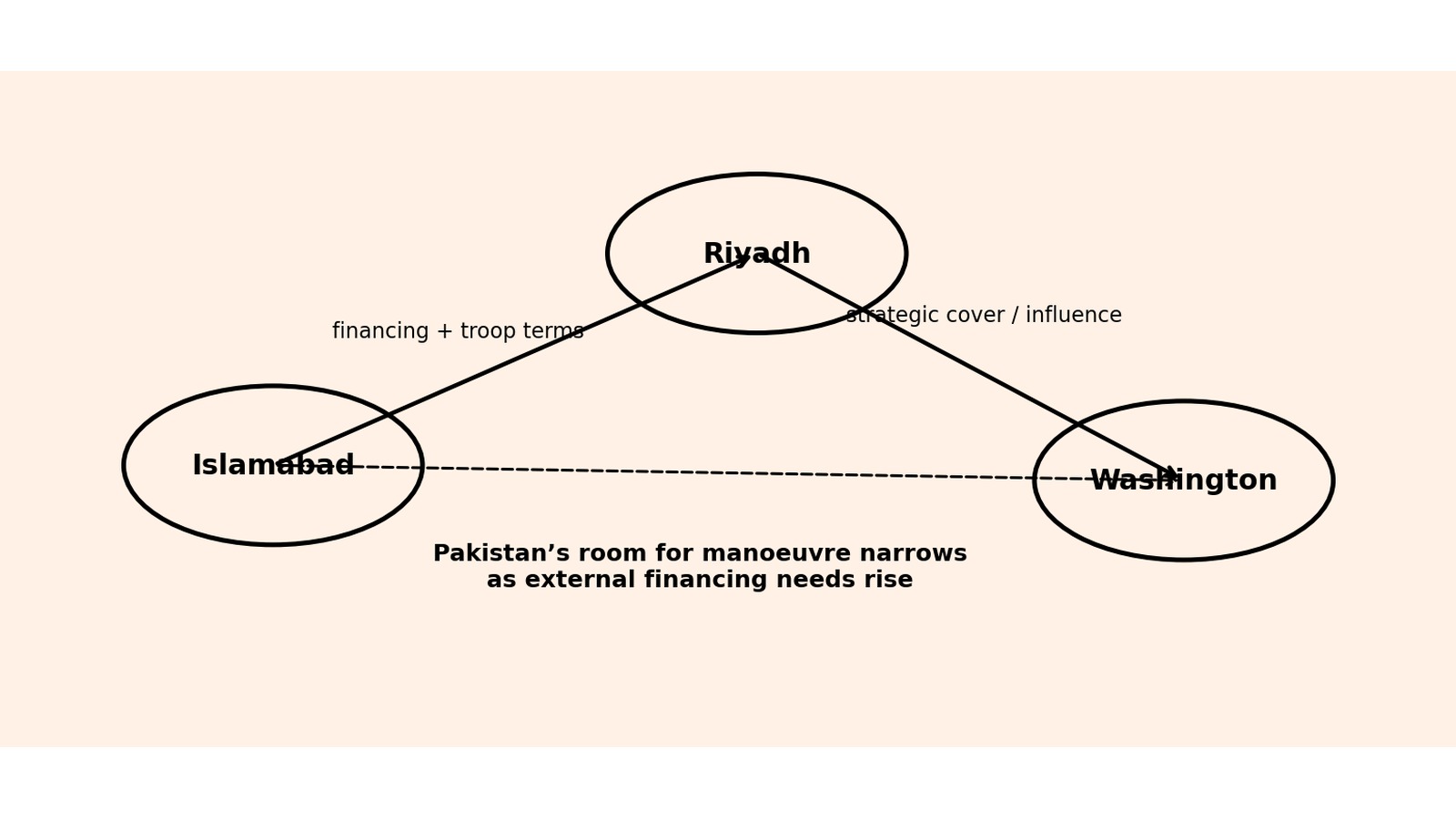
When strategic ambition meets economic fragility

Murtaza Shibli examines Pakistan’s expulsion of Afghan medical students as a measure of the country’s treatment of Afghan youth, refugees and the consequences of its Afghanistan policy.

Pakistan's military governments often posted stronger headline growth than elected administrations. But the official record shows that the booms were repeatedly tied to exceptional external inflows, geopolitical patronage, debt restructuring and inherited capacity - while the country's deepest economic weaknesses survived. The larger cost was institutional: a political economy in which military supremacy, whether direct or exercised through civilian governments under tutelage, blurred accountability and shortened the horizon for reform.
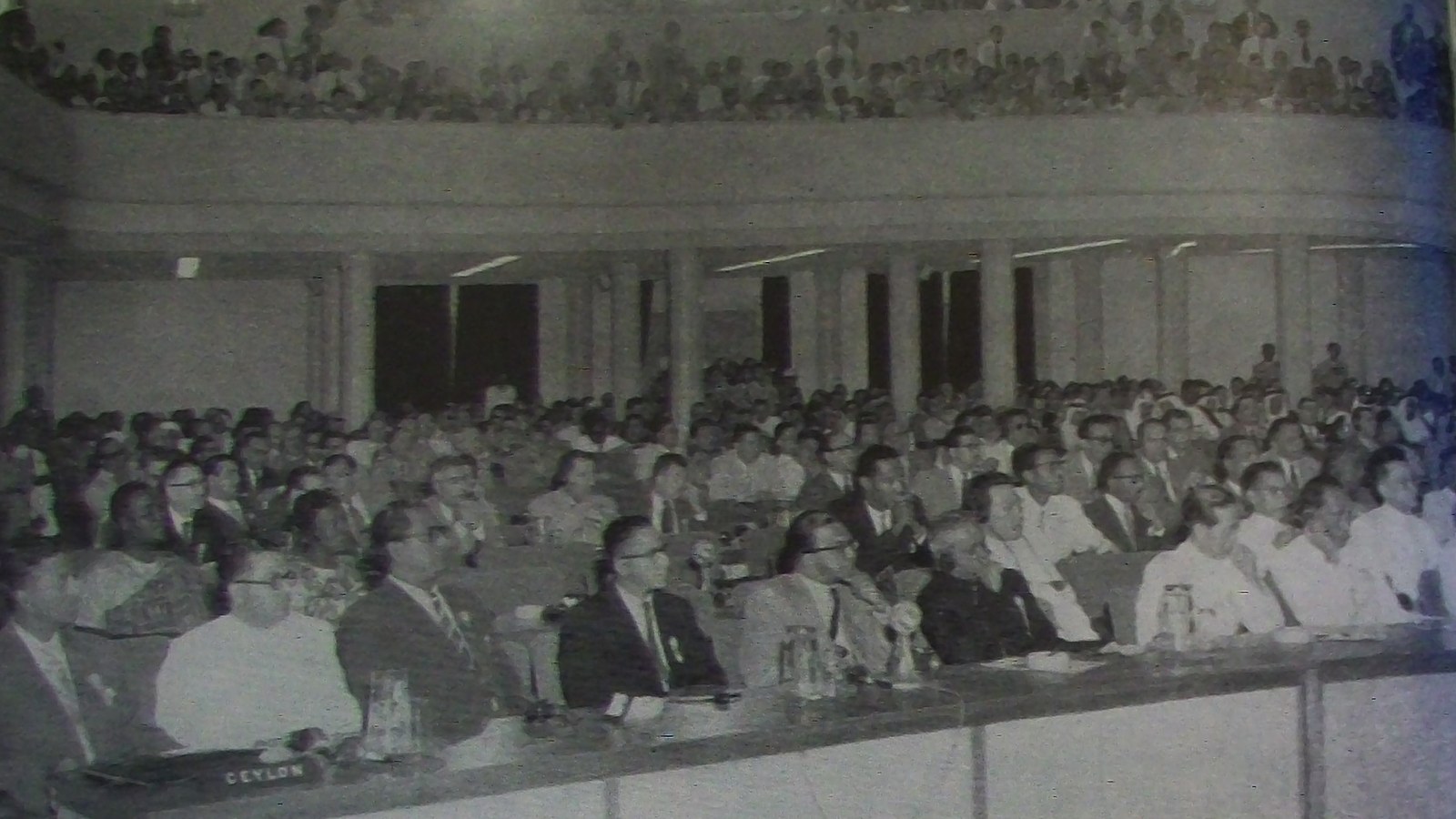
An argument for applying one moral standard to Western and non-Western governments, movements and individuals.
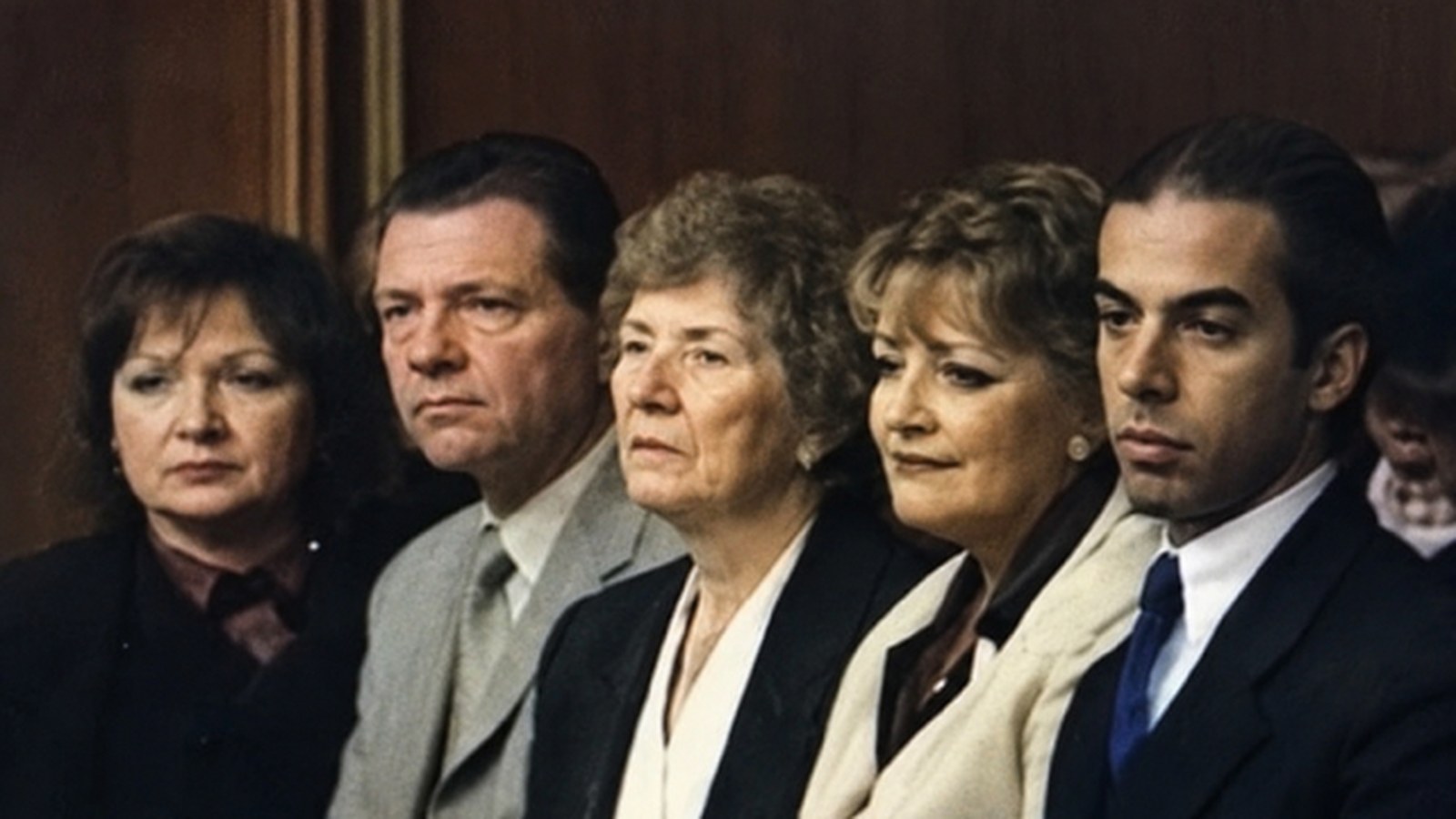
With a new drama returning the case to the spotlight, Giovanni Ulleri argues that the language used to frame it must keep pace with contested science and more careful journalism.
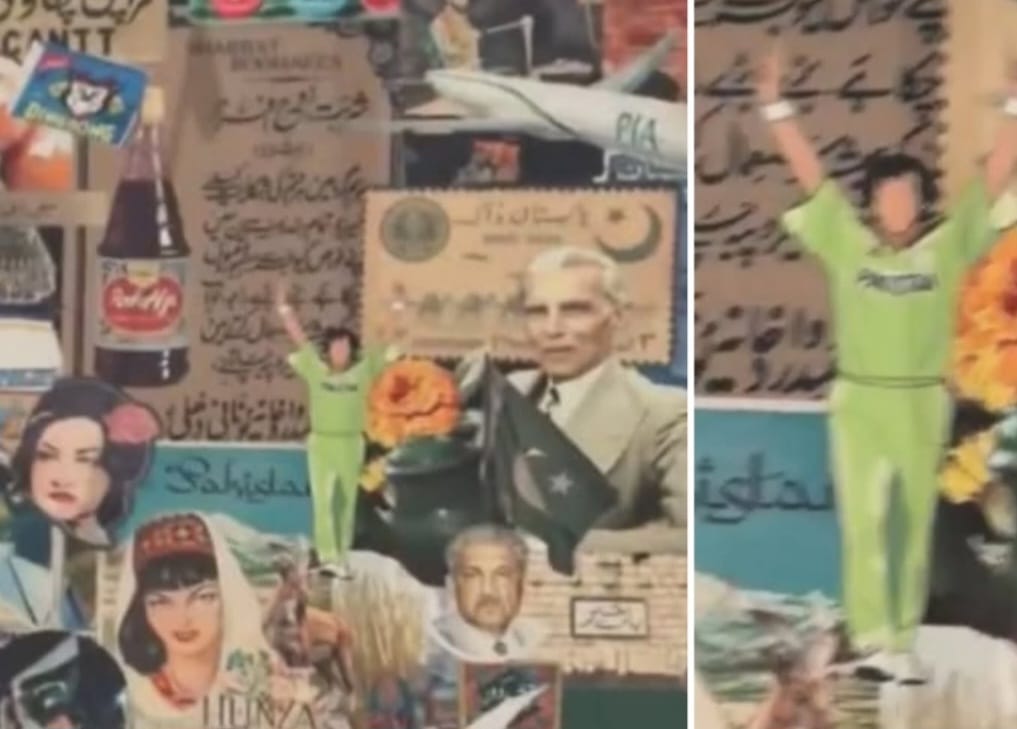
A commentary arguing that reports of Imran Khan’s image being removed from an APPNA convention poster reflect a wider failure of moral courage as concerns grow over his detention, health and family access.
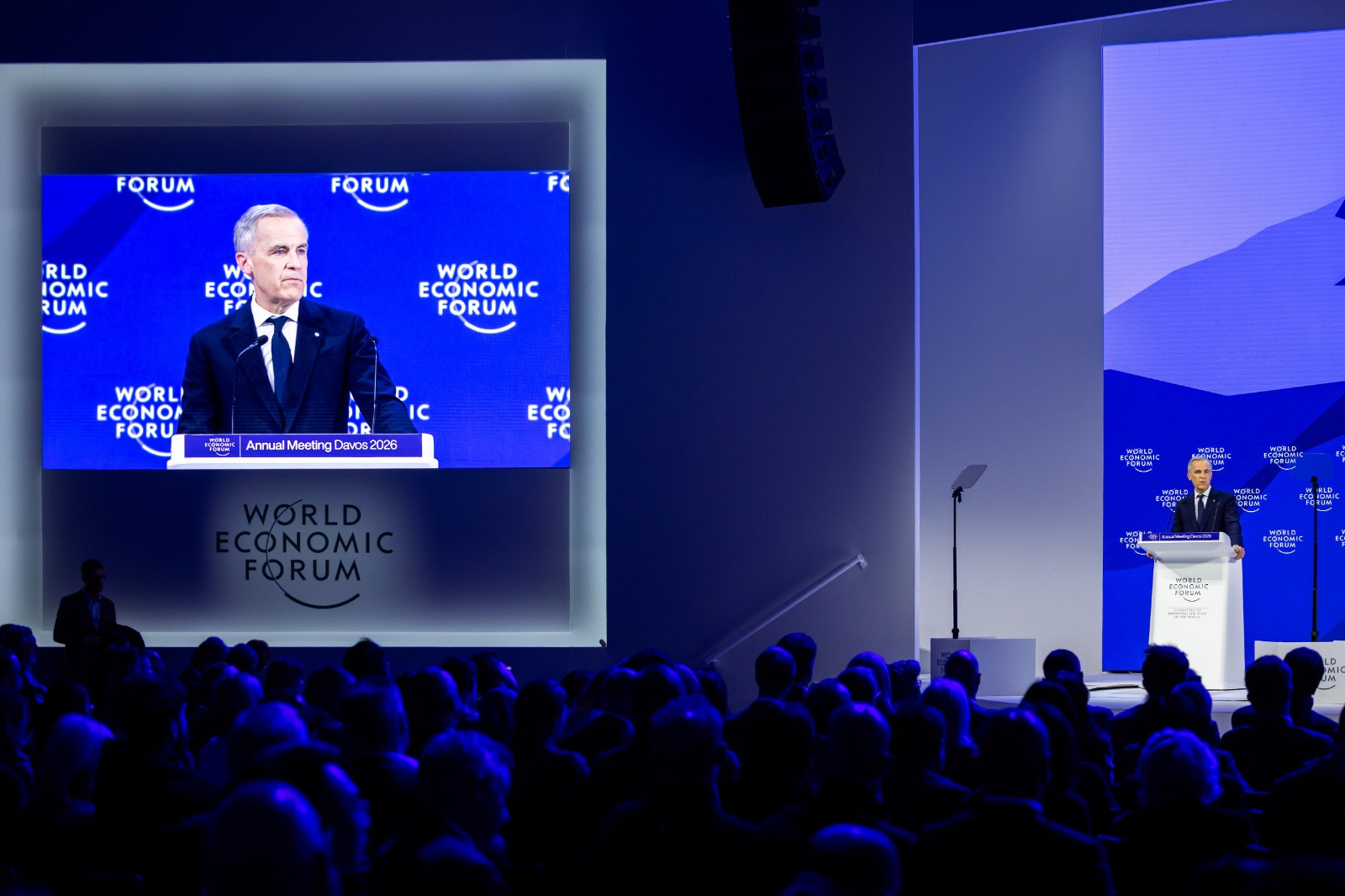
After Mark Carney’s warning that middle powers can no longer rely on old security assumptions, Europe is rearming at historic speed — and increasingly keeping that defence spending inside Europe.
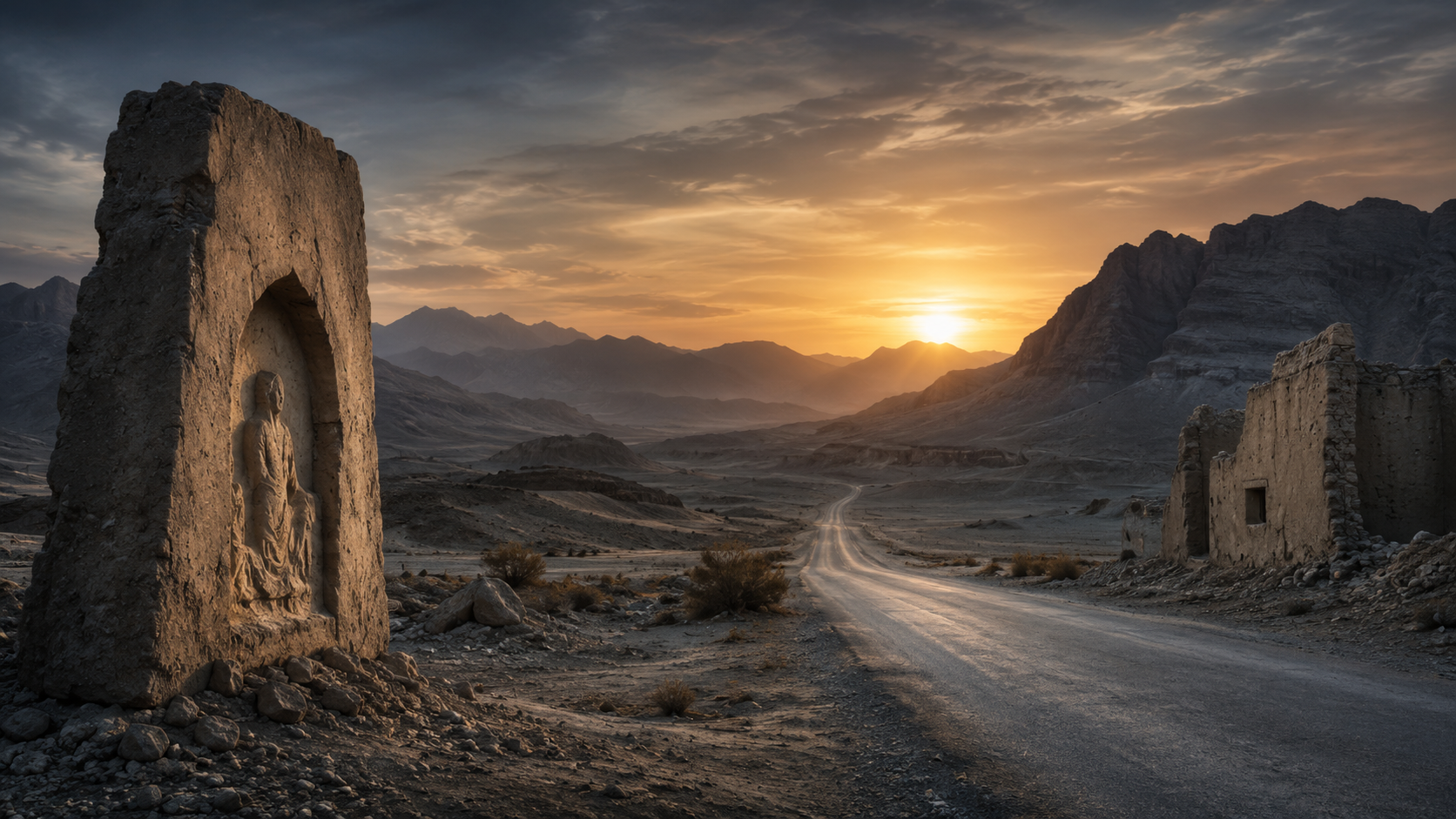
After a cycle of attacks, crackdowns and broken political promises, this opinion piece argues that lasting peace in Balochistan cannot be built on coercion, resource extraction or the denial of Baloch political identity.
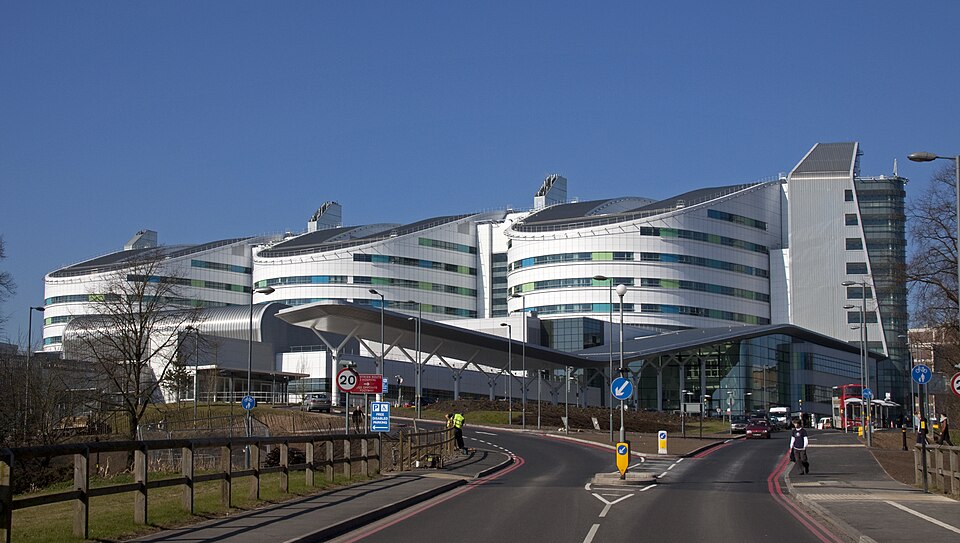
A data-led examination of how anti-immigration rhetoric often collapses very different forms of migration into a single political narrative, despite the NHS’s deep reliance on overseas-trained and international doctors.
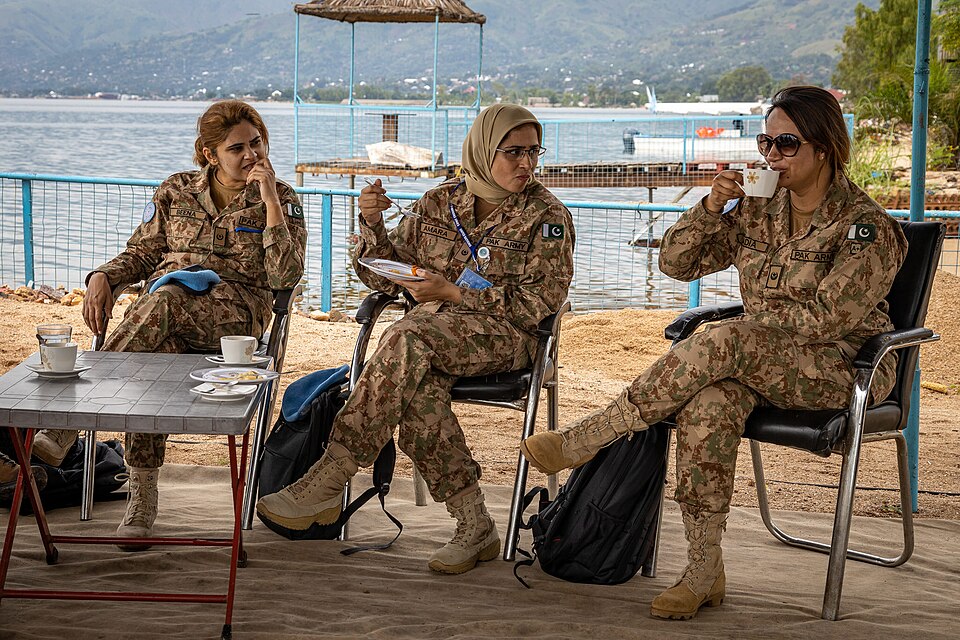
Dr Yvonne Ridley reveals why the silent scream of a Congolese superfan connects a multi-billion-dollar sports scandal directly to the ultimate sacrifice of Pakistan’s bravest UN peacekeepers.
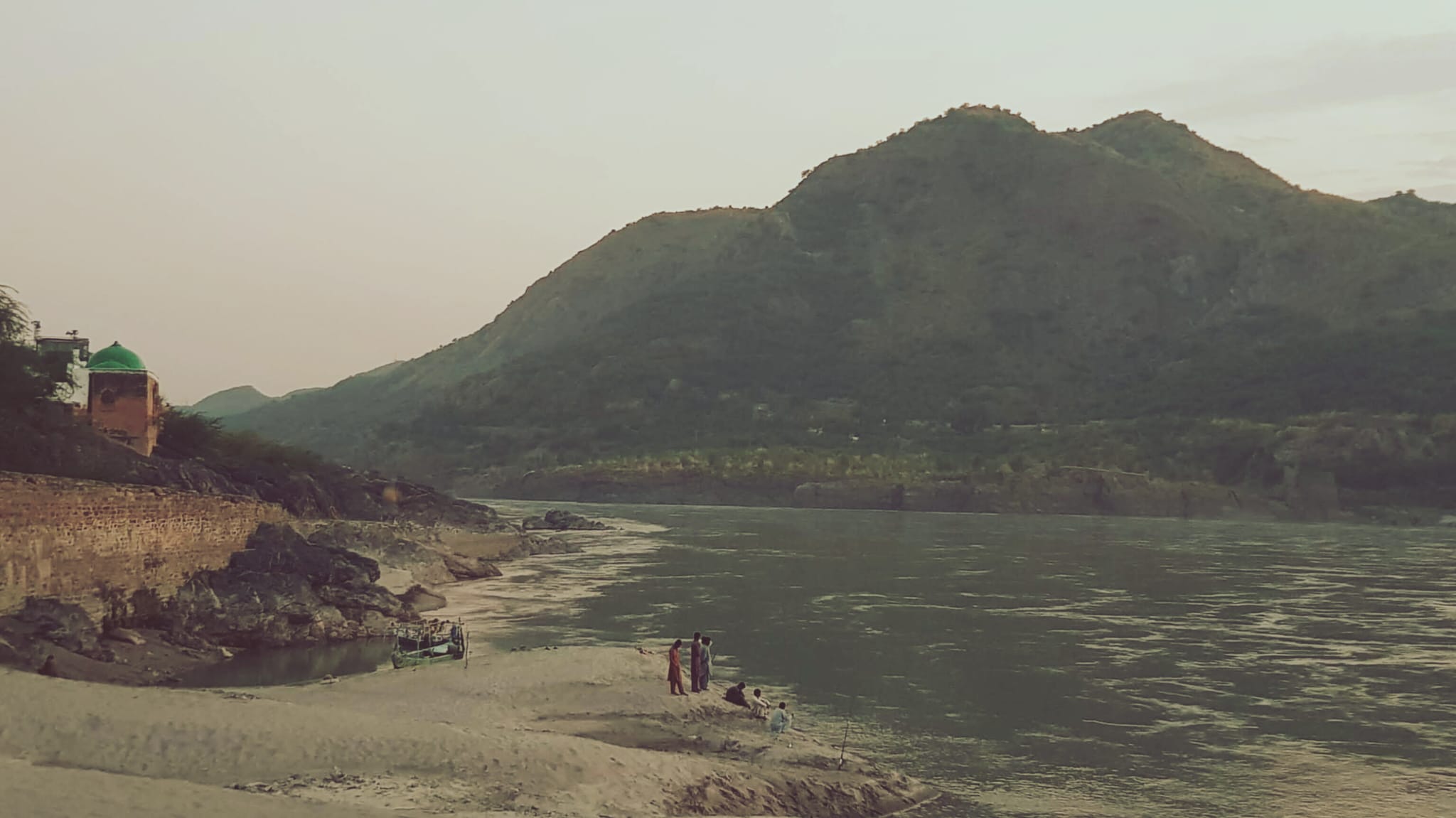
Once regarded as one of the world’s most durable water-sharing agreements, the Indus Waters Treaty is now at the centre of a growing India-Pakistan dispute shaped by security concerns, political pressure, climate stress and the weaponisation of strategic resources.

The killing of seven-year-old Muntaha Zahra has reopened Pakistan’s deepest wound: a child protection crisis sustained by institutional failure, social silence, police impunity, and a justice system that continues to fail the most vulnerable.
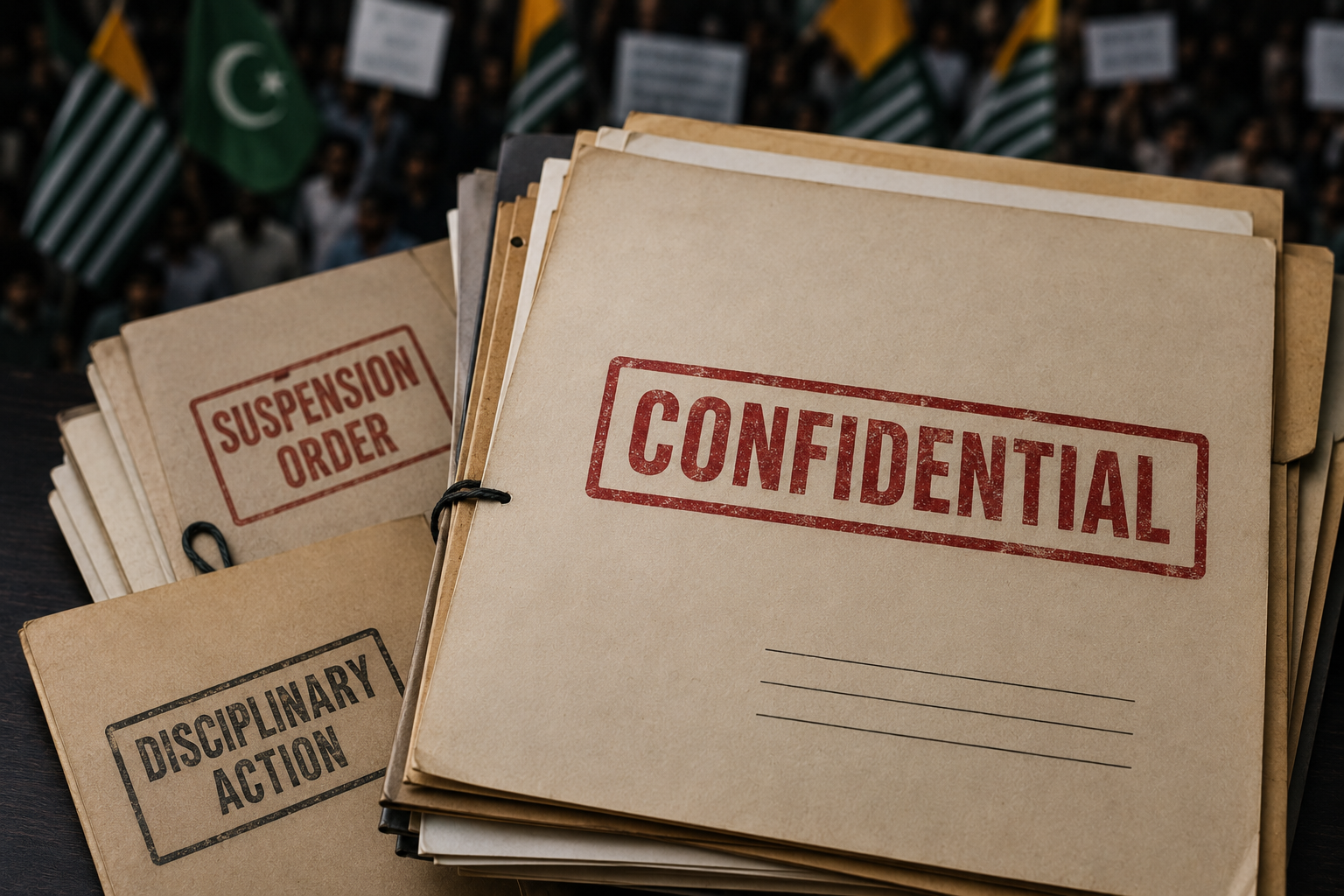
Exclusive Investigation by Parrhesia Whistleblowers Desk
