
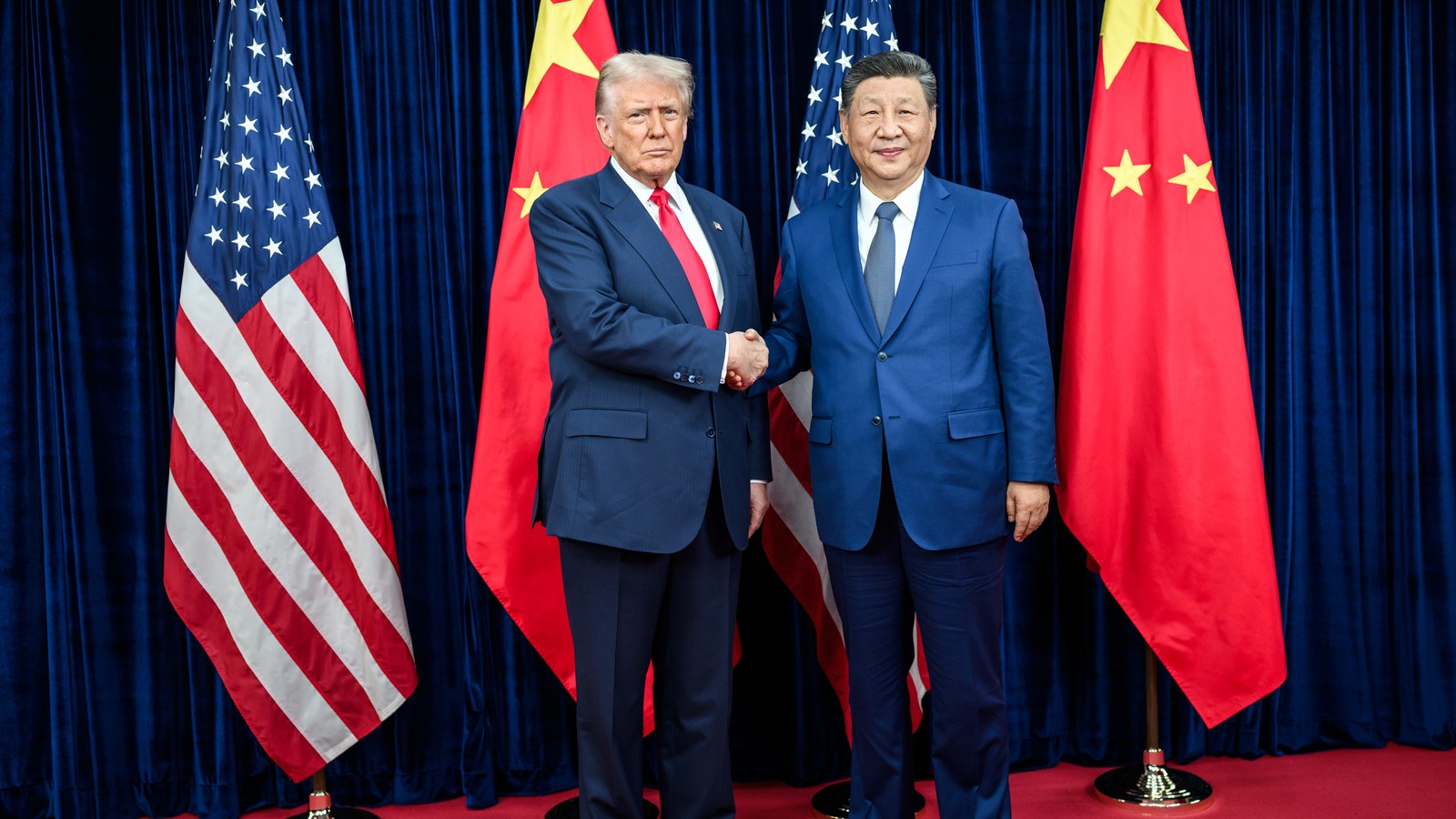
China’s policy, as I read it, follows a scarlet thread: seeking advantage from both sides of a confrontation. It sustains partners under pressure while preserving access to their adversaries. That combination gives Xi Jinping leverage as he arrives in Washington this week. Beijing’s limited exposure to direct combat and America’s own choices have widened the gap in their bargaining positions.
The Middle East, long a central platform for American power, illustrates the problem. Disruption around Hormuz and Bab el-Mandab exposes the difficulty of converting American and Israeli military superiority into a dependable regional order. The Congressional Budget Office warns that munitions depletion threatens American readiness elsewhere, which the Pentagon disputes. With November’s midterms approaching, the costs of confrontation are also political.
I regard Chinese and Russian support as central to Iran’s endurance. U.S. sanctions identify Chinese satellite assistance to Iran and the Houthis, while Reuters reports Russian imagery and drone support to Tehran. Saudi Arabia has nevertheless sought Beijing’s help to restrain the Houthis. China gains influence with a partner resisting American force and with governments seeking relief from the resulting insecurity.
Based on information available to me, my assessment is that China provided Pakistan with live satellite-enabled intelligence, surveillance and reconnaissance support during the May 2025 war. The Chinese aircraft and missiles were the visible part of an operational relationship whose less visible contribution shaped Pakistan’s ability to fight. Beijing could strengthen Pakistan while preserving a diplomatic opening to India.
Trump’s tariffs and disputed claims of mediating the ceasefire deepened the strain with India. Delhi’s renewed engagement with Beijing widens its choices. American strategy still invokes the Indo-Pacific, but its Indian Ocean reach depends on political cooperation with India. China gains room when Washington makes that cooperation harder, even as Delhi remains determined to protect its independence.
The same method is visible in Europe. Beijing sustains Russia’s defence industry while cultivating European markets. NATO’s account of Chinese supplies and Beijing’s appeals against European trade barriers reveal the two sides of this policy. China seeks to remain useful to Moscow without surrendering access to economies threatened by Russian power.
Canada shows how Beijing profits from America’s treatment of its allies. Ottawa is strengthening European ties while reopening trade with China, including an annual quota initially permitting 49,000 Chinese electric vehicles at reduced tariffs. China gains commercial space inside an economy closely integrated with America’s. Continental defence cooperation continues, but Washington’s ambitions for hemispheric control, including the Arctic, encounter a neighbour widening its choices.
The result, I expect, is bipolar strategic rivalry within increasingly multipolar partnerships. China’s advantage has limits: prolonged disruption threatens its energy supplies and export markets. Beijing must also persuade partners to accept restraint when Chinese interests require it. Its opportunity lies in converting influence into concessions before the costs of instability overtake the benefits.
Reuters reports a Chinese offer to press Iran in exchange for halting Taiwan arms sales. Xi may seek a Potsdam-like understanding recognising China’s equal role in shaping international order. The test is whether Beijing secures an American concession and delivers sustained restraint. Continued attacks despite Chinese intervention would expose the limits of its influence.
The most favourable outcome would combine safe shipping with reciprocal military restraint and regional consent. Washington could restore readiness and repair alliances; China would gain recognition and more dependable trade. Lower freight and energy costs would ease household budgets and reduce pressure on governments subsidising basic necessities. Taiwan and the Gulf states would need a say in decisions affecting their security. An accommodation that preserved their freedom of action could establish a more durable balance.
I consider stalemate more likely: commercial deals while security disputes persist. America would continue bearing military costs; China could gain influence through selective support and mediation. As partners diversify, American coalitions could become harder to assemble. States such as Pakistan might gain stronger patrons while losing freedom to refuse them. Persistent fuel and shipping costs would squeeze households and force indebted importers into harder choices over subsidies and public services. Americans could face deeper political division; dependent states could find outside security backing shielding their rulers from domestic accountability.
The worst case would be escalation connecting the Gulf war with a Taiwan crisis. An attack that drew American retaliation against Chinese personnel or assets could turn indirect support into open confrontation. Simultaneous military demands and broken trade links would endanger both economies. Disrupted energy and fertiliser supplies would raise food prices; interrupted manufacturing would destroy jobs and deepen debt distress. Poorer societies would struggle most to absorb the shock. China would lose export income and reliable supplies as America faced damaged supply chains and widening military commitments. Nuclear escalation would place the survival of societies at risk.

Reader comments
Subscribers can join the conversationSign in to join the conversation. Comments are open to everyone with a free account.
Sign in or create accountLoading comments…