
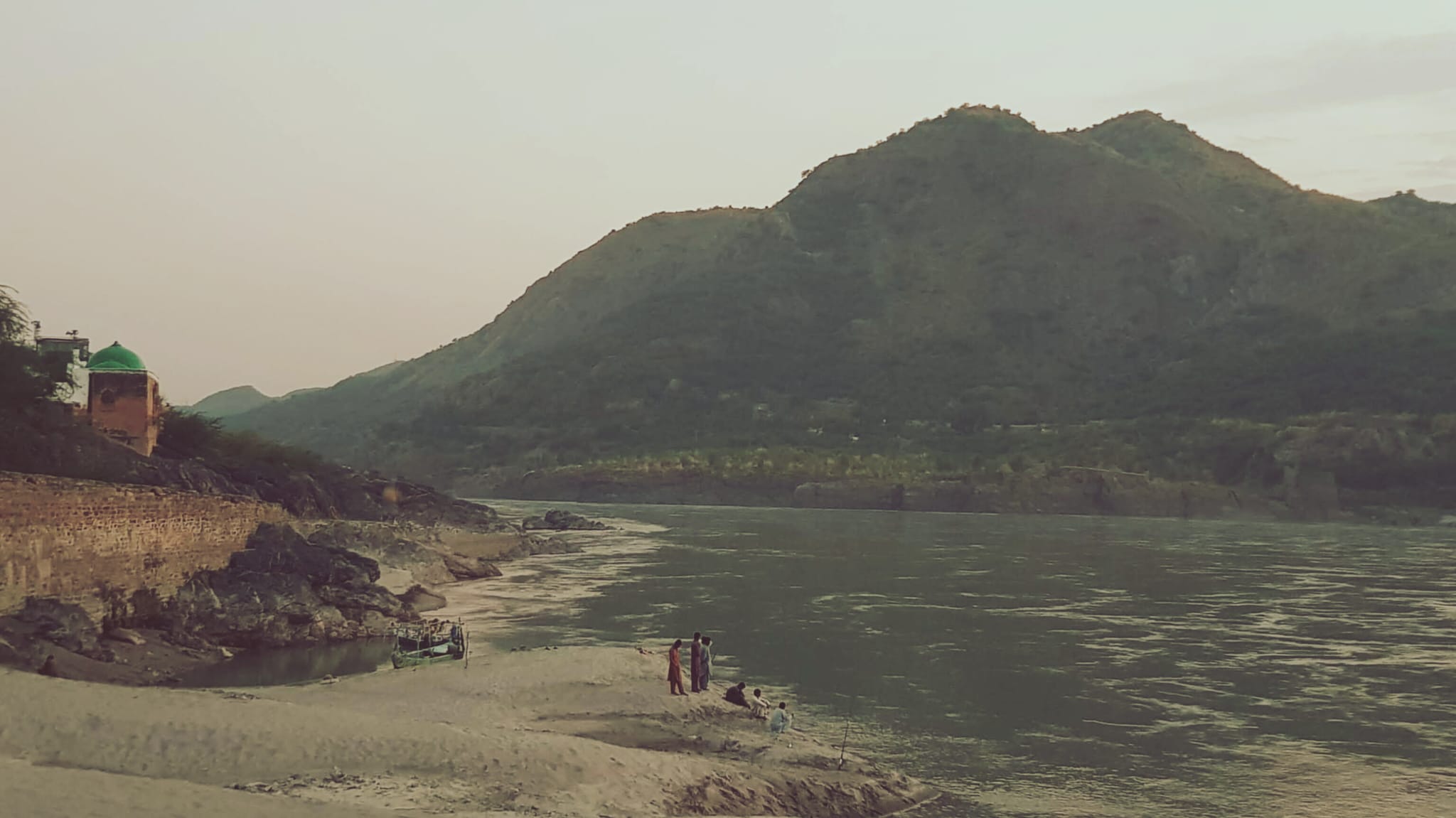
(River Indus, after Merging of River Kabul in Pakistan)
Since the gruesome Pahalgam terror attack in Jammu and Kashmir in India on April 2025, India-Pakistan bilateral relation has been fragile. India, displaying zero tolerance towards (repeated cross-border) terrorism from Pakistan, kept Indus Water Treaty (with Pakistan) in abeyance, a move tickling Islamabad’s nerves. Recently, at the UN, Pakistan threatened New Delhi of ‘war’ over water security. India, on the other hand, called it Islamabad’s “desperate attempt to divert attention from its own failings and human rights record.” Pakistan’s rhetoric against India at international platforms is as old as its formation. However, India now refuses to play the old game, as reflected in its strong stance during Operation Sindoor. New Delhi’s decision of abeyance of Indus Water Treaty remains unchanged, indicating a clear message: one cannot negotiate with fire while standing in its blaze.
The Partition of India in 1947 had not only created two separate sovereign territories—India and Pakistan—but also divided the Indus River that originates in Tibet’s Mount Kailash and flows through India’s Kashmir region and Punjab before entering Pakistan. The international border created as a result of partition, therefore, also placed Indus (and its five tributaries), the most vital river system of the subcontinent, intrinsic to an international border concern, given the boundary drawn across Indus basin, the geographical demarcation making India a high riparian and Pakistan a low riparian nation of the basin. The problem arises because of the construction of an integrated irrigation network on Indus water during the British Raj, whereby most canals ended up in Pakistan, while the headworks for the Upper Bari Doab Canal and the Dipalpur Canal, located at Madhopur on the Raavi River, Ferozepur on the Sutlej River respectively, remained on the Indian side.
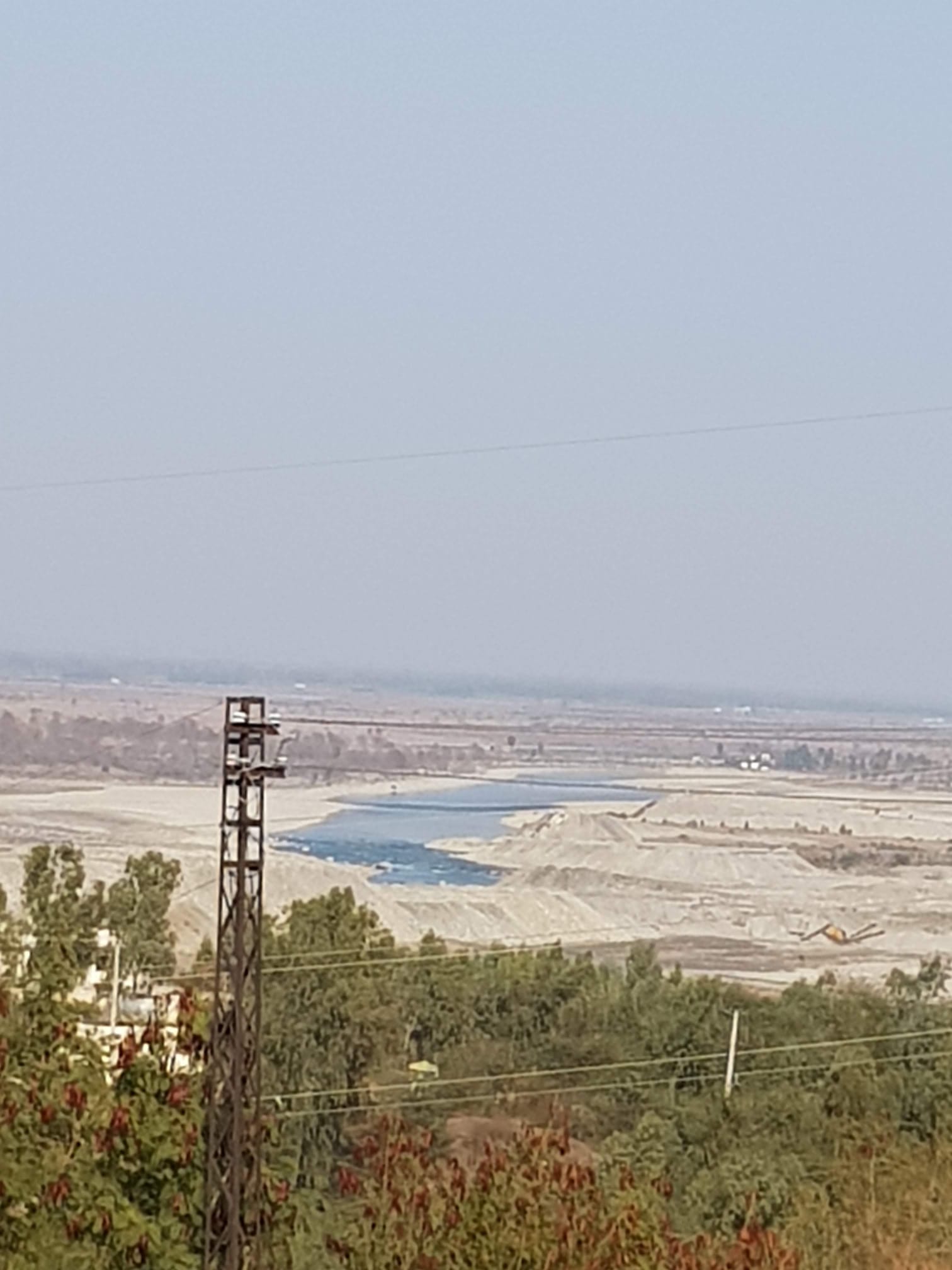
The riparian imbalance coupled with political mistrust led to water sharing dispute between the two nations soon after partition. Following years of negotiation mediated by the World Bank, the Indus Water Treaty (IWT) was signed in 1960, allocating the river into eastern and western—granting unrestricted use of eastern rivers Ravi, Beas and Sutlej to India and Indus, Chenab and Jhelum to Pakistan. Moreover, a Permanent Indus Commission (PIC) was also formed, serving as a mechanism for cooperation, information exchange and a three-tiered dispute resolution between the two nations who were mandated to meet annually
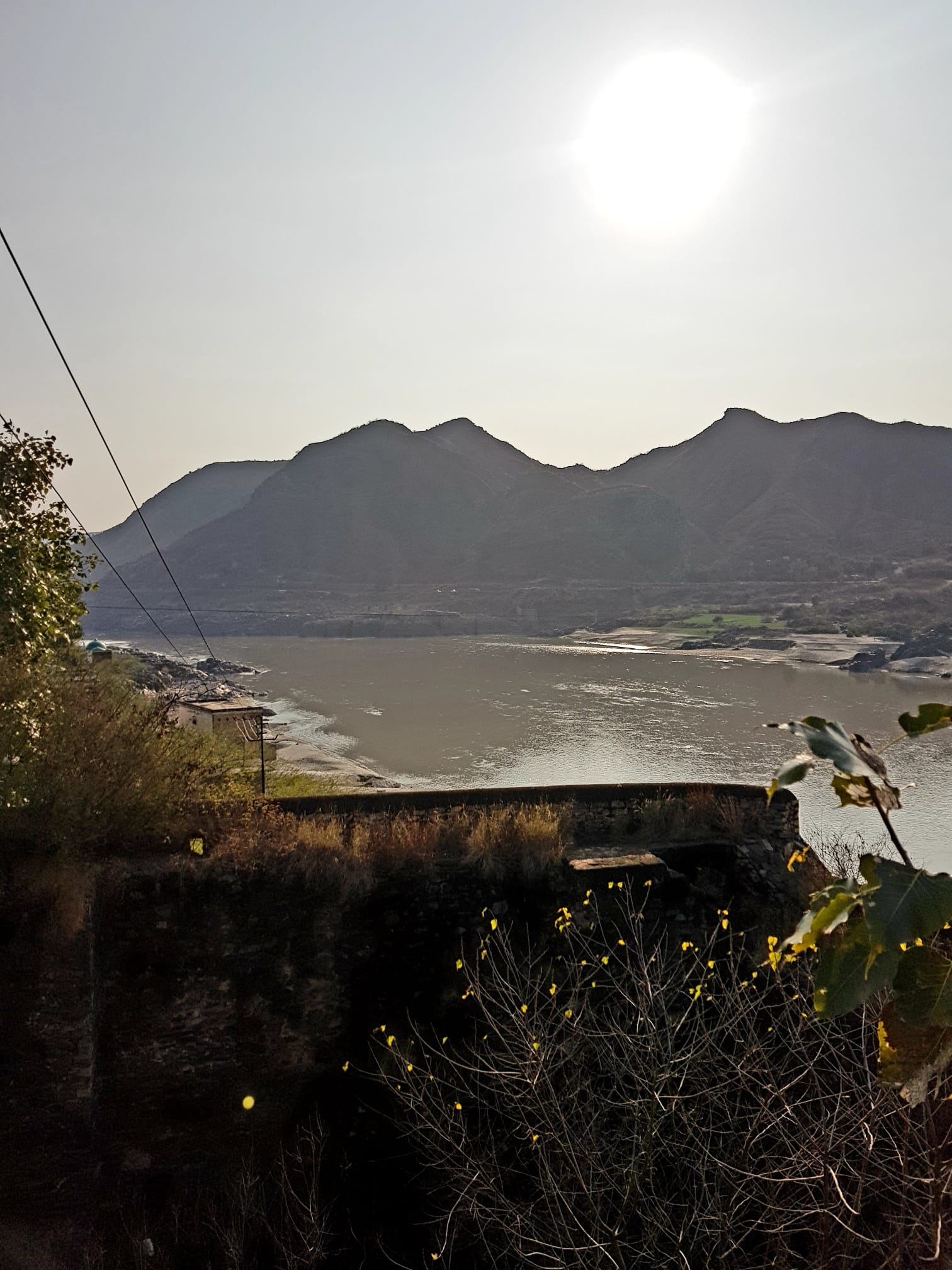
The PIC functioned as perhaps one of the rare institutions in bilateral relations that continued to have annual meetings (albeit with delays) even during the three major wars between India and Pakistan, namely, 1965 war, 1971 war and 1999 war. India honoured the Indus Water Treaty’s core institutional framework—separating water management that impacts ordinary lives of civilians of both nations from politics and the international support backing the treaty. India’s moral restraint has also been rooted in its commitment for international law and sense of cooperation for regional stability that made India’s mark on the global stage as a credible actor
Not just wars, India has faced repeated terror attacks from Pakistan’s ISI-backed terror networks since 1980s. Pakistan’s state policy of sponsoring terrorism became particularly exposed during IC-814 hijack in 1999 where New Delhi agreed to save the passengers’ lives by releasing three Pakistan-based terrorists. However, until the 2001 Indian Parliament attack, Pakistan maintained its denial, before admission under intense internal pressure following 9/11 attack. For the first time, Islamabad was compelled to acknowledge terror groups like Lashkare-Tayyiba (LeT) and Jaish-e-Mohammed(JeM) operating from its soil and was forced to announce bans on these organisations, claiming to have also frozen their assts and dismantle their networks. Nevertheless, these measures proved to be largely symbolic to escape global scrutiny, as India continued to face terror attacks (in 2002, 2005 and 2008), signalling that terror networks continued operation from Pakistan via rebranding. After 2008 Mumbai attack, Pakistan came under Financial Action Task Force (FATF) monitoring and was formally placed under its grey list in 2012, a position Pakistan held two times (2012-2015, 2018-2022). Three years after its delisting from FATF grey list, Islamabad received a stern warning of exit not being a ‘bulletproof shield against terror financing’.
Despite India's sustained diplomatic engagement including the Composite Dialogue (19972008), backchannel communications, and multiple dossiers presented internationally, Pakistansponsored terrorism has remained unabated. The 2016 Uri strike, 2019 Pulwama bombing, and 2025 Pahalgam massacre all occurred during or immediately after such dialogue phases. Therefore, India’s persistent approach to peaceful dialogue with Pakistan proved ineffective because of the latter’s calculated goal of militant proxies serving its strategic interests despite diplomatic costs. The structural asymmetry with India seeking silent restraint and Pakistan pursuing terrorism rendered such peaceful dialogue fundamentally ineffective, revealing failure of Pakistan’s reciprocal commitment due to consistent withholding by Pakistan's military establishment.
Terrorism, consequently, became the central context in India-Pakistan relations especially since 2016 Uri attack. India moved away from its silent compliance to a strategic calculus of connecting terrorism with water amid Pakistan’s open defiance to its terror sponsoring. From containment, India’s strategic position turned to conditionality, revealing growing scepticism with Islamabad, as reflected in New Delhi’s changing stance towards Indus Water Treaty. A three-layered policy framework was thus adopted: No talks, No Trade and No Water unless Pakistan stops sponsoring terrorism. Subsequently India suspended dialogue with Pakistan after Uri attack (2016), withdrew Pakistan’s Most Favoured Nation(MFN) trade status and imposed punitive tariffs after Pulwama attack (2019) and putting Indus Water Treaty at abeyance. After the Pahalgam attack, Indian PM responded by announcing “terror and talks cannot go together, blood and water cannot flow together”.
India’s stand on IWT, therefore, was not a sudden emotional measure but result of decades of restraint for Islamabad’s repeated pattern of provocations and terror attacks. The suspension now does not put water sharing as an isolated factor but makes it conditional for Pakistan establishment to take credible, irreversible steps to curb its anti-India terror sponsoring networks. India’s position on Indus Water Treaty reflects New Delhi’s broader fundamental reorientation of its foreign policy framework to review existing benefits and concessions extended under bilateral frameworks with Pakistan. A policy orientation that is linked to India’s national security, sovereignty and protection of its civilians, that reframes water sharing not as an isolated technical issue but as a strategic lever tied directly to Pakistan’s state-backed ecosystem enabling terrorism.


Reader comments
Subscribers can join the conversationSign in to join the conversation. Comments are open to everyone with a free account.
Sign in or create accountLoading comments…