

There are lands that appear on maps as mere shapes, and there are lands that appear in history as symbols. Baluchistan is both: a vast geography stretching from the mountains of the Iranian plateau to the warm winds of the Arabian Sea, and a nation whose story has been carried in the hearts of its people across generations.
For decades, the world has looked at Baluchistan through the narrow lens of security. But today, as Europe rethinks its energy routes and the Gulf reimagines its future beyond oil, Baluchistan emerges not as a forgotten frontier, but as a strategic and moral question — a crossroads where the ambitions of states meet the aspirations of a people.
This article is not a lament. It is a reminder — that in the shifting architecture of global power, some nations refuse to disappear.
A Movement at the Threshold
The Baluch national movement stands today in a moment of profound transition. It carries a legacy of sacrifice that few nations have endured: enforced disappearances, displacement, and the quiet resilience of families who continue to hope against all odds.
Yet the movement is not defined by suffering alone. It is defined by a deep consciousness of identity, a political maturity born of experience, and a growing understanding that the world listens when a nation speaks with clarity and unity.
The question before us is not whether the movement will continue — it will. The question is whether it can transform its moral strength into political structure.
Lessons Written in the Margins of History
History teaches us that nations survive not only through courage, but through coherence. Every fracture in our ranks weakened our struggle; every moment of unity strengthened it.
Europe knows this well — its own history is a testament to the cost of division and the power of collective purpose. The Gulf knows this too — its stability rests on cooperation, not fragmentation.
For Baluchistan, the lesson is clear: We must build institutions, not improvisations; strategy, not sentiment; unity, not fragmentation.
The Three Fronts of Renewal
To engage the world effectively — especially Europe and the Gulf — the Baluch movement must strengthen three essential fronts:
Diplomacy
The Baluch question must enter the halls of international policy, maritime security forums, and human‑rights platforms. Europe values stability and human rights; the Gulf values regional balance and secure trade routes. Baluchistan is central to both.
Documentation
Our suffering must be recorded with the precision of historians and the urgency of survivors. The world responds to evidence, not emotion.
Narrative
Baluchistan must be understood not as a “security challenge,” but as a nation seeking dignity and self‑determination. This narrative must be disciplined, strategic, and globally intelligible.
The Diaspora: A Distant Heartbeat with Global Reach
The expatriate Baloch community — in Europe, the Gulf, and beyond — is no longer a silent witness. It is an intellectual and diplomatic force capable of shaping international opinion.
But unity abroad is difficult. Distance creates different political environments; host countries impose different pressures; organisational structures remain fragmented.
Yet unity is possible if we adopt:
- A single national charter
- A joint diplomatic council
- A culture of collective decision‑making
The diaspora can become a strategic asset — but only if it becomes coordinated.
The Geopolitical Earthquake Beneath Our Feet
We live in an era where the world’s strategic map is being redrawn.
- Europe seeks secure energy routes and ethical partnerships.
- The Gulf seeks stability, maritime security, and diversified futures.
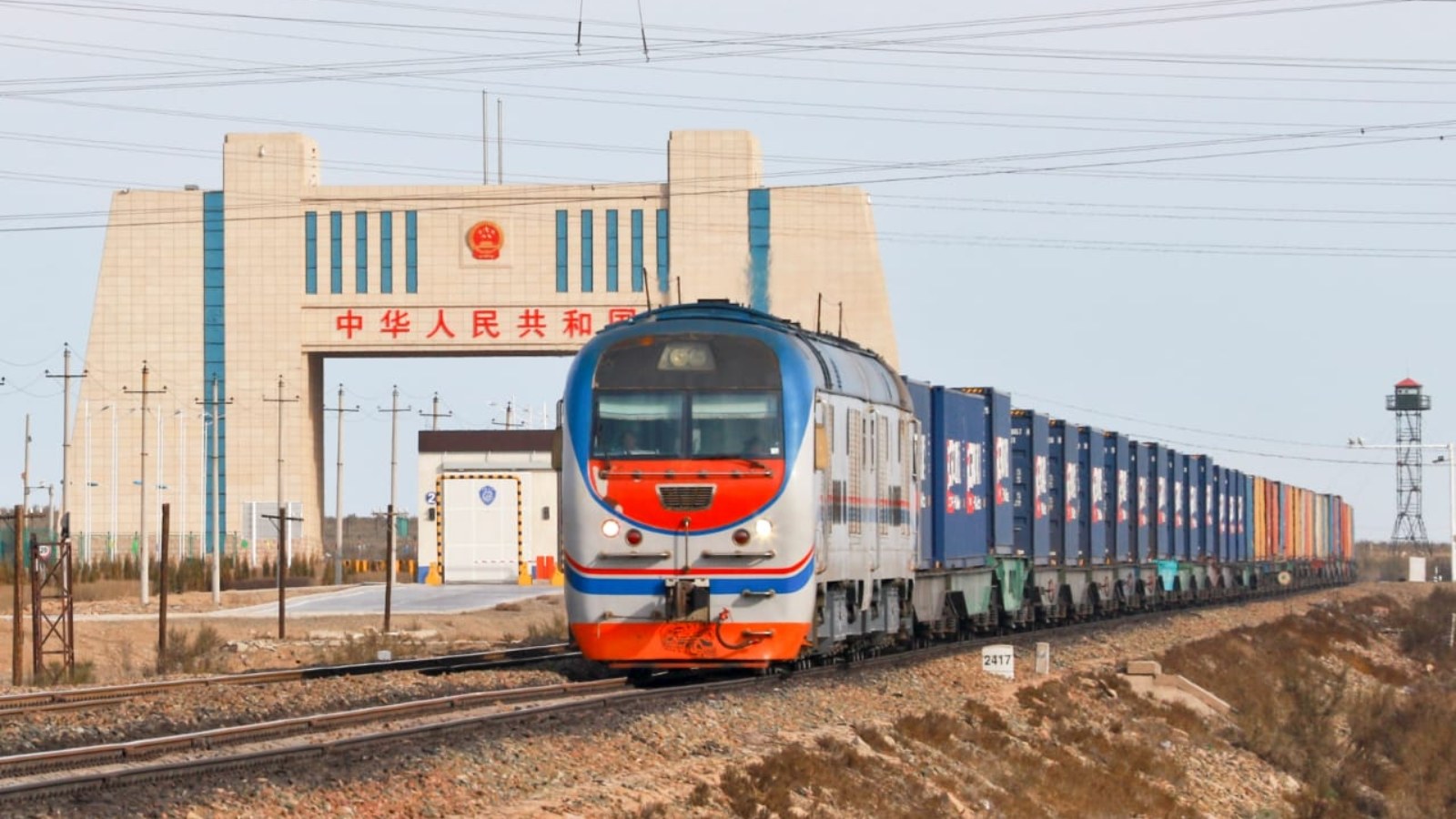
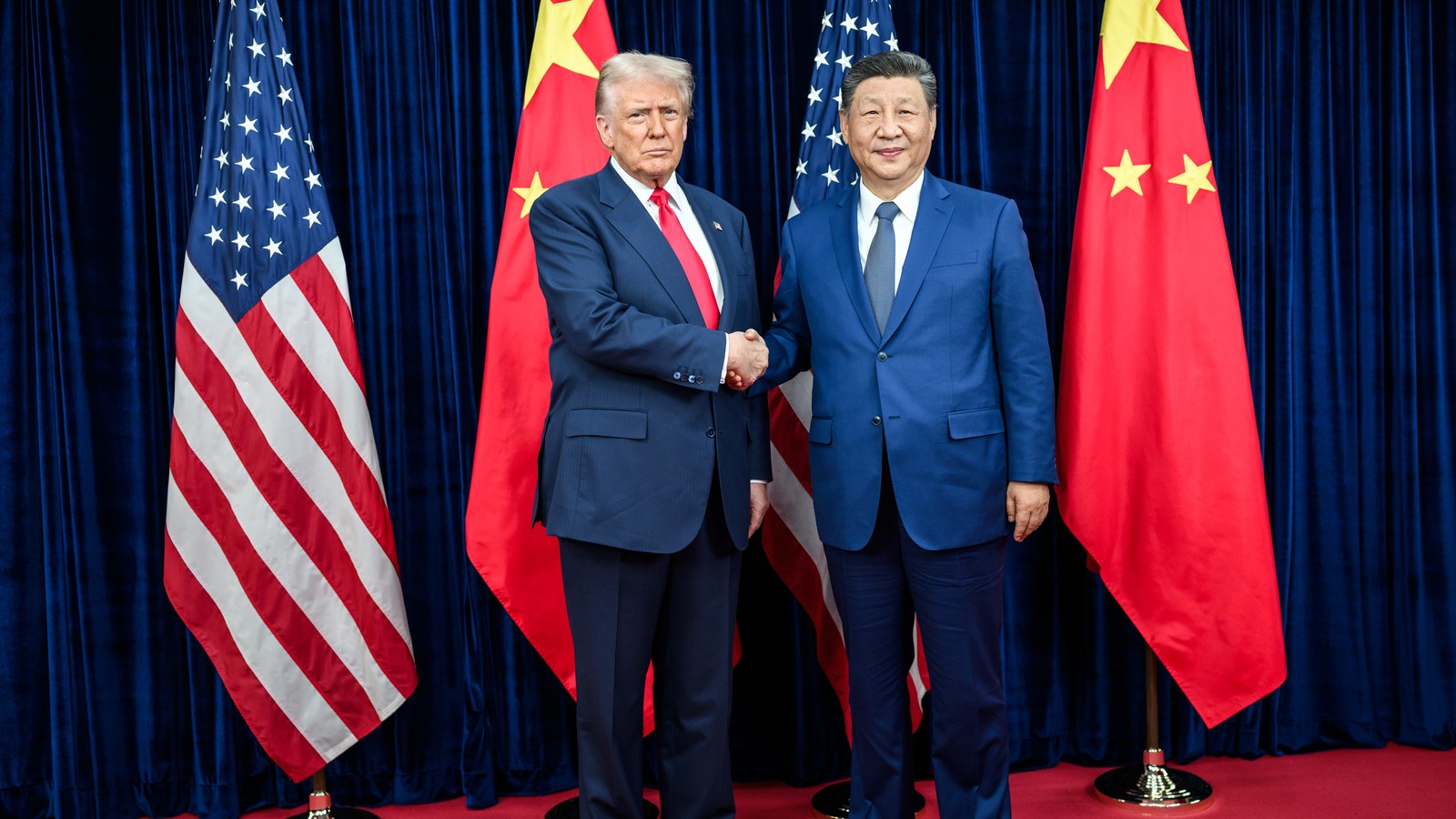
- China expands its Belt and Road ambitions.
- Pakistan and Iran tighten their security grip.
- India recalibrates its Indian Ocean strategy.
- Türkiye extends its regional influence.
- The United States redefines its presence in the Indo‑Pacific.
And in the middle of this shifting geometry lies Balochistan — a land whose coastline touches the Arabian Sea, whose mountains shadow the Strait of Hormuz, and whose ports anchor the dreams of empires.
This creates opportunities and dangers.
Opportunities
Baluchistan’s location makes it a geopolitical hinge. As global powers debate energy security, maritime routes, and regional stability, the Baluch question becomes increasingly visible.
Challenges
The Pakistan–Iran–China axis forms a multi‑layered wall around Baluchistan. Great‑power rivalry risks reducing our nation to a footnote in someone else’s strategy.
But let this be said clearly: No regional order will be stable if it ignores the political aspirations of the Baluch nation.
Europe understands this. The Gulf understands this. The world is beginning to understand this.
The World Is Awakening
Policy institutes, human‑rights organizations, and maritime security analysts increasingly recognize Baluchistan as a strategic and humanitarian flashpoint.
But recognition must evolve into structured diplomatic engagement. That is our responsibility — and our opportunity.
The Youth: Our Unwritten Future
The younger generation of Baloch — educated, globally connected, politically conscious — is the intellectual vanguard of the movement.
Leadership must not only hear them; it must share power with them. The future of the movement will be written in their language.
The Principles That Unite Us
Three principles can form a shared national foundation:
- Dignity
- Collective survival
- Self‑determination
These principles transcend organizations and ideologies. They are the compass of our future.
Strengths and Imperatives
Our greatest strength is the resilience of our people — a nation that refuses to disappear.
Our greatest need is unity — not symbolic unity, but structural unity. A single national front capable of representing the entire nation.
If one change could transform our future, it would be this: One united political umbrella for the Baloch nation.
The Narrative of Liberation
A clear narrative is the spine of any liberation movement. We must present our case as a modern anti‑colonial struggle rooted in history, identity, and human rights.
Europe respects such narratives. The Gulf understands their power. The world responds to their clarity.
The Path Forward
Unity must begin with a traditional Baluch Grand Jirga — inclusive, neutral, and representative. From this jirga should emerge a single Baluch National Freedom Party, capable of diplomacy, political strategy, and international engagement.
Our role — as leaders, activists, intellectuals, and exiles — is to build bridges, facilitate dialogue, and cultivate a political culture where national interest rises above personal differences.
A Nation at the Edge of a New Map
We are a nation scattered across continents, yet bound by a single dream. We are a people denied their homeland, yet carrying their homeland within them. We are a movement that has survived everything except disunity — and that is the one challenge we must overcome.
The world is changing. Empires are shifting. Maps are being redrawn.
Let us ensure that when the new map of the region is drawn, Baluchistan is not a corridor, not a buffer, not a footnote — but a nation recognized for its dignity, its history, and its rightful place in the world.
Author bio:
Mehran Marri Baluch is a connoisseur of politics, a writer, and commentator, and a prominent inheritor of the political legacy of the late Nawab Khair Bakhsh Marri. Raised largely in exile, he has been engaged in Baluch political affairs from an early age. His writings focus on Baluchistan, self-determination, regional geopolitics, and international politics, informed by decades of political experience and a deep engagement with the Baluch question.

Reader comments
Subscribers can join the conversationSign in to join the conversation. Comments are open to everyone with a free account.
Sign in or create accountLoading comments…