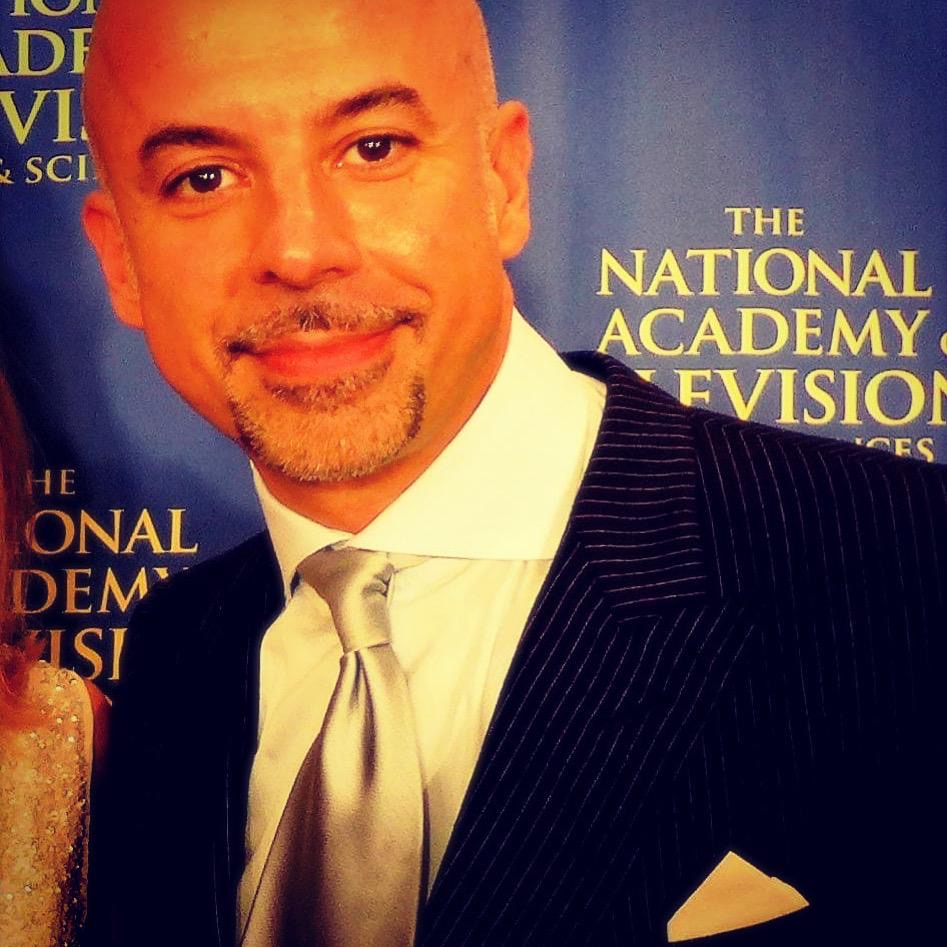
Nearly 30 years ago, I had a ringside view of one of the most extraordinary media circuses I have ever witnessed.
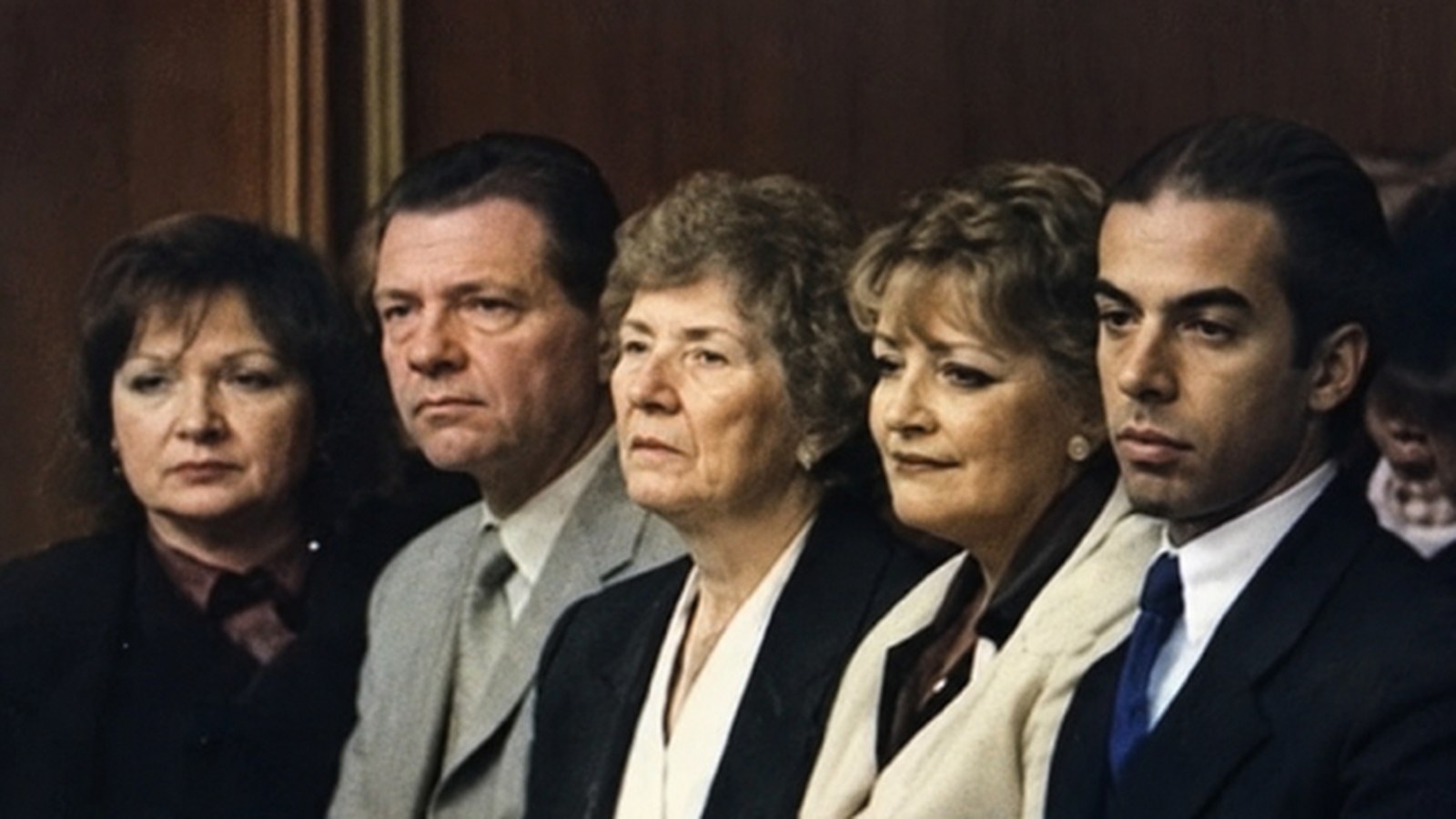
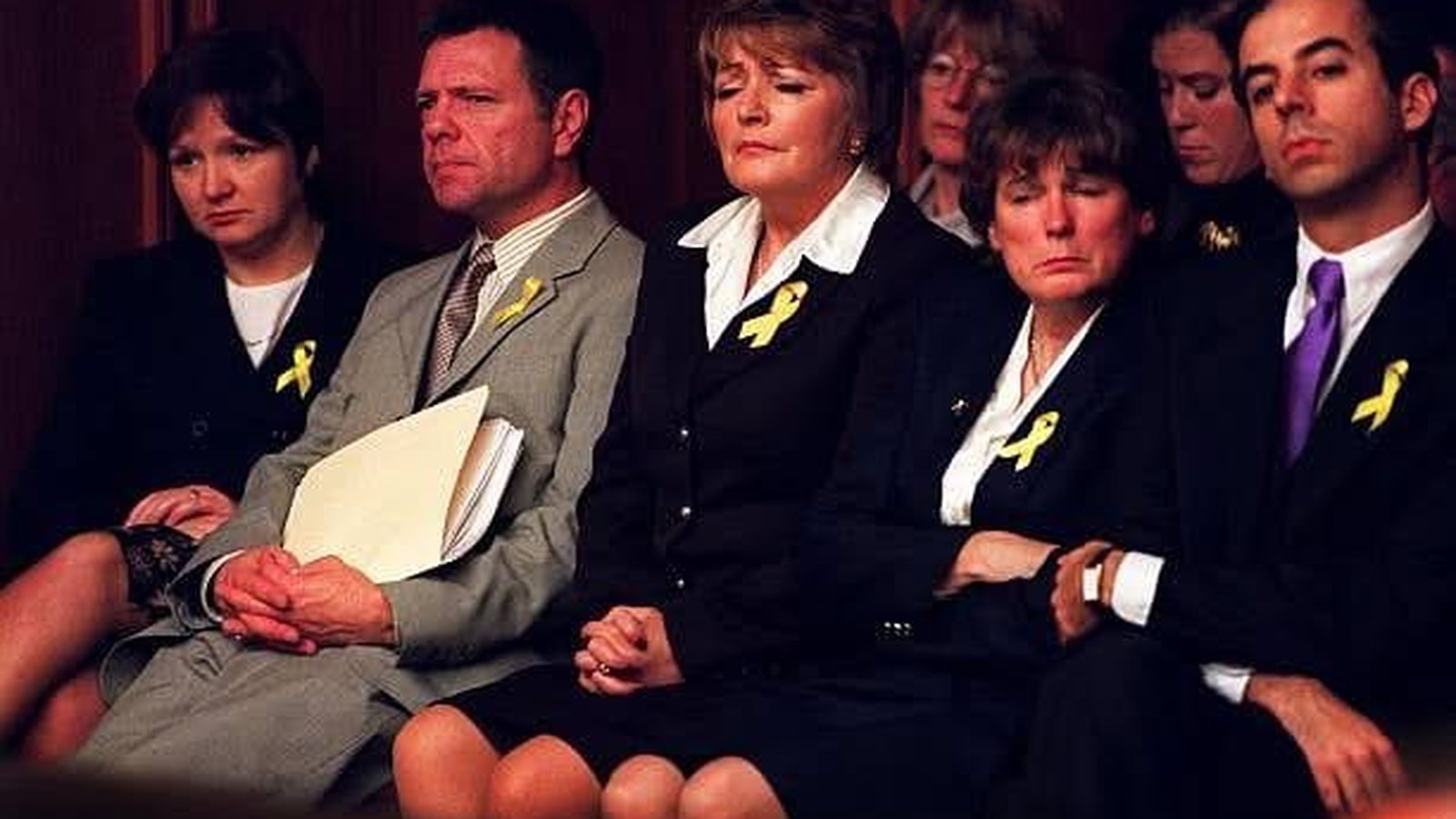
I was a young investigative producer on ITV’s The Big Story, presented by the late Dermot Murnaghan. I spent months investigating the case of Louise Woodward, the 19-year-old British au pair accused of killing eight-month-old Matthew Eappen in Massachusetts. I followed the case before, during and after the trial, sat through the evidence and was seated with Louise’s family when the guilty verdict was delivered.
And I watched as an immensely complicated criminal case was gradually reduced to a collection of increasingly sensational headlines.
So it is depressing to see, almost three decades later, Louise once again being described as the “Killer Nanny”, following news that HBO is dramatising her story.
Have we really learned nothing?
Woodward was convicted by a jury of second-degree murder in October 1997. Judge Hiller Zobel subsequently reduced that conviction to involuntary manslaughter, concluding that allowing the murder verdict to stand would constitute a miscarriage of justice. She was sentenced to time already served and released. She has always maintained her innocence.
Her conviction was not, as some recent reporting has suggested, “quashed”.
Whatever view anyone takes of the evidence, this was never a case that could responsibly be encapsulated in two simple words. “Killer nanny” was irresistible to headline writers, but it was loaded language as well as being totally inaccurate terminology. Woodward was a young au pair, not a trained nanny.
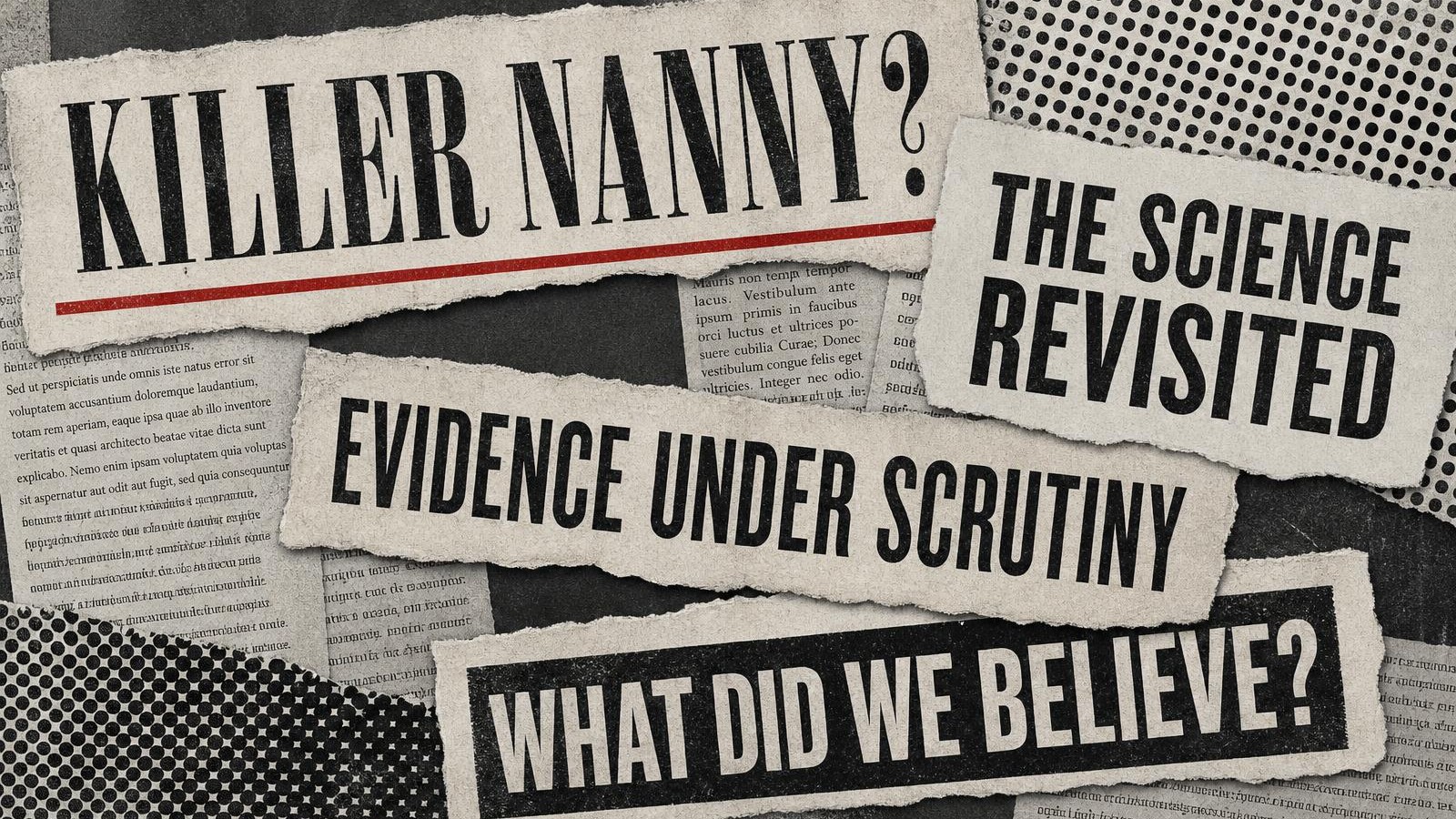
Those two words do something very powerful. They deliver the verdict before the story has even begun to be heard.
When the machine turns on you
I know something about the media machine surrounding the Woodward case because eventually it turned on me too.
In early 1998, after Louise had been released while the legal proceedings continued, I met up with her in Massachusetts. One freezing day we stopped for lunch and later walked along Marblehead beach. She slipped on the ice and I held out my hand to steady her.

That was it.
Unknown to us, photographers with long lenses were following us. Pictures of that completely innocent moment were subsequently turned into stories suggesting that Louise and I were somehow romantically involved.
Reporters began investigating my private life. My late father was doorstepped in Manchester. A woman identified as my supposed “wife” was sought for comment, although I wasn’t married. Someone tried to obtain my bank balance. A reporter gained access to my office by claiming to be a friend. Eventually I was confronted with the extraordinary allegation that I was having a relationship not only with Louise, but now with her mother too.
In June 1998 I wrote about the experience in The Guardian under the headline: “A sleazy affair: All we did was hold hands…”
I described how journalism had taken an entirely mundane event and manufactured a romantic story around it. The Boston Herald published photographs under a headline about Louise and her “boyfriend”. British newspapers followed. GMTV even broadcast footage that left viewers with the clear impression that I was romantically involved with Louise without first asking me whether the story was even true — ironic given the fact that I was working for the same network and used to work in the same building.
I remember sitting at home watching myself being discussed on breakfast television via a live satellite from Boston with an NBC reporter and wondering how journalism had reached this point. I wasn’t approached beforehand for a comment yet they chose to speak to someone via a live satellite link who clearly hadn’t followed the case when they could have had me on the sofa explaining the boring facts of the case.
It would have been comic had the consequences not been so unpleasant for Louise, her parents and my own family.
The experience gave me a small taste of something the Woodwards had already endured on an unimaginable scale: once a narrative takes hold, facts that complicate it become inconvenient. Louise herself put everything into perspective when she told me:
“Gio, they accused me of first-degree murder. All they are accusing you of is being my boyfriend — besides you’re no Brad Pitt.”
Getting at the facts can be time-consuming and expensive, and the truth (as the Boston Herald and GMTV would have discovered if they’d made the effort) is often too boring to print or screen. As an investigative journalist I am in favour of free, unrestricted media. After being on the other side of the process, however, I’m concerned that shoddy reporting and gossip masquerading as journalism will ruin it for the rest of us.
That matters again now.
HBO’s decision to dramatise the case, however, provides an opportunity not simply to reconstruct one of the most famous trials of the 1990s, but to finally look at the Louise Woodward case with the benefit of nearly three decades of legal, medical and scientific debate.
And there are serious questions to examine.
What the medical evidence was asked to prove
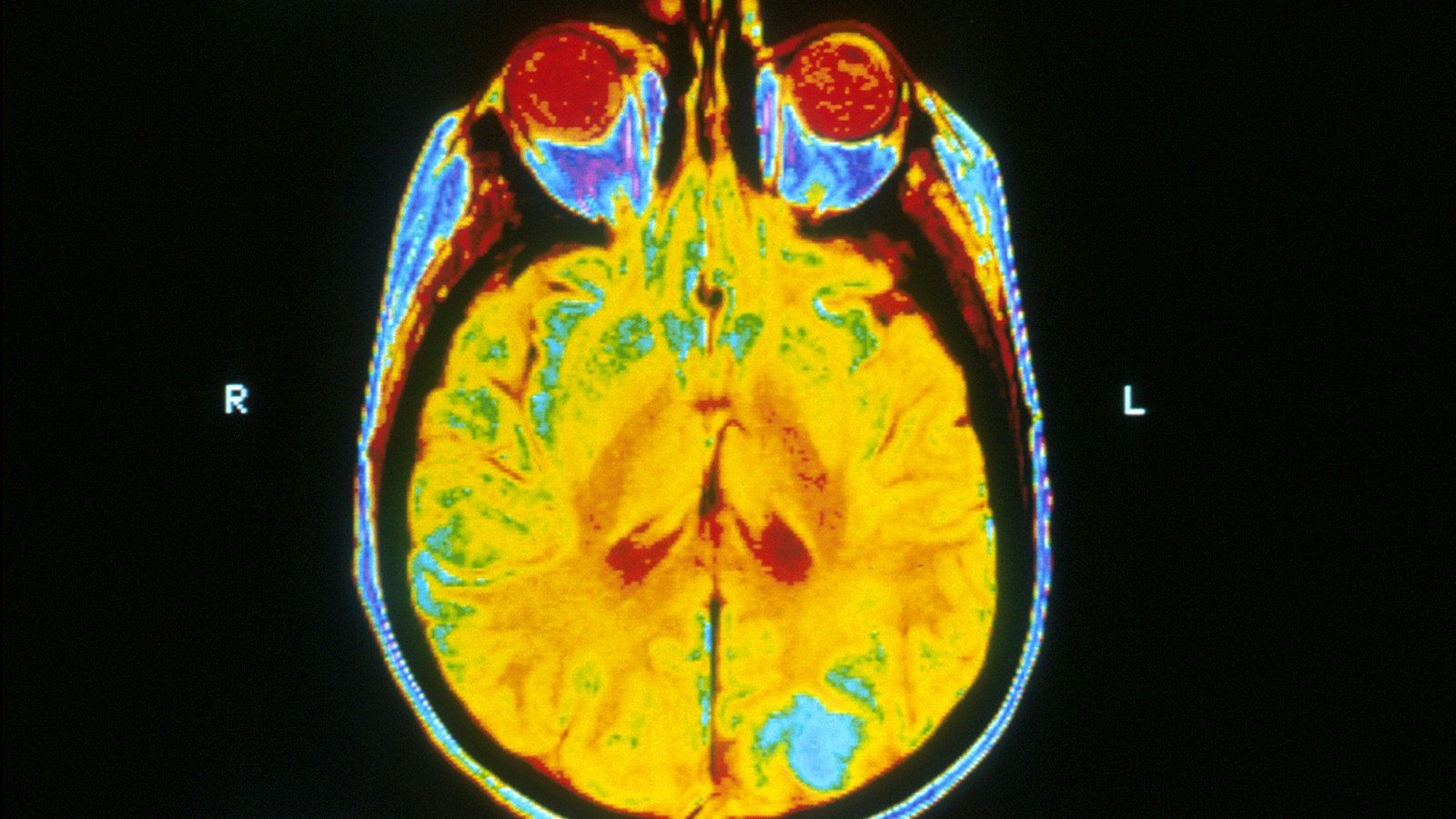
Central to the prosecution case was medical evidence that Matthew’s injuries were acute, inflicted and consistent with violent shaking together with impact. This evidence did far more than establish that a desperately ill child had suffered serious injuries. It helped reconstruct an unwitnessed event: what had happened to him, when it had happened and therefore who was likely to have been responsible.
That distinction is crucial.
The issue today is not whether violently assaulting a baby can cause catastrophic brain injury. Of course it can. Nor would it be accurate to claim that abusive head trauma has simply been “disproved”.
The more difficult scientific question is how reliably doctors can work backwards from a particular constellation of internal injuries to determine the precise mechanism that caused them, when they occurred and, ultimately, who caused them.
That degree of certainty matters enormously in the Woodward case.
Dr Patrick Barnes, a consultant paediatric radiologist who gave evidence for the prosecution, subsequently became one of the most prominent doctors to reconsider some of the diagnostic assumptions surrounding shaken baby syndrome. He has spoken publicly about how categorical his thinking had been at the time of the Woodward trial and later said that he believed he had assisted in misdiagnosing child abuse.
That should surely be of profound interest to anyone revisiting the case.
This is not a defence expert attacking a prosecution witness decades later. It is one of the prosecution’s own medical witnesses reconsidering the intellectual framework within which he gave his evidence.
The argument surrounding what was historically called shaken baby syndrome has also changed substantially since 1997.
For years enormous evidential weight was placed on findings including subdural bleeding, retinal haemorrhage and brain swelling. Modern medicine still recognises abusive head trauma as a real and potentially fatal form of child abuse. But contemporary assessment requires the whole clinical and forensic picture. The simplistic proposition that a particular combination of findings, by itself, proves violent shaking is far more controversial than it once appeared in many criminal courts.
The most important word is “must”
The most important word in cases such as Woodward’s is therefore “must”.
The injuries must have been caused by violent shaking.
They must have occurred immediately before the baby’s collapse.
Therefore the person caring for the baby at that moment must have caused them.
Each proposition enormously increases the forensic power of the medical evidence. But if uncertainty enters either of the first two propositions, the third becomes much harder to establish through medicine alone.
Timing was already fiercely disputed at Woodward’s trial.
Her defence called distinguished medical experts who argued that aspects of Matthew’s injuries could have been older. Prosecutors relied on medical witnesses who placed the fatal injury within the period in which Louise was caring for him.
That disagreement was not peripheral. It went directly to identification.
There was also an unusual evidential problem. A section of Matthew’s dura, the membrane surrounding the brain, was not preserved. The Massachusetts Supreme Judicial Court later recognised that the missing tissue was material to the defence theory, although it concluded that its loss was not sufficiently prejudicial to justify dismissing the case.
Nearly 30 years later, surely these issues deserve to be examined afresh rather than simply dramatised as settled scientific facts.
The controversy has not disappeared from American courts. In 2025, the New Jersey Supreme Court considered the admissibility of expert evidence concerning shaken baby syndrome/abusive head trauma in cases involving alleged shaking without impact and upheld the exclusion of the evidence before it on scientific-reliability grounds.
That ruling does not invalidate Woodward’s conviction. New Jersey law does not govern Massachusetts, the cases are not identical, and Matthew Eappen’s case involved evidence of impact as well as a skull fracture.
It would therefore be wrong to announce that the medical evidence against Louise would automatically be inadmissible today.
The question worth asking
But the development does underline the question that I believe deserves serious examination:
Would Louise Woodward be convicted today on the medical evidence presented to her jury in 1997?
That is a much more interesting question than asking yet again whether she was a “killer nanny”.
Take the important propositions the prosecution made at her trial and submit them to contemporary experts with no connection to either side.
- How confidently can Matthew’s injuries be dated today?
- What does contemporary radiology say about the age and significance of his skull fracture?
- What weight should now be placed on the retinal findings?
- How reliably can a child’s collapse establish when the underlying injury occurred?
- What alternative explanations would contemporary clinicians be required to consider and exclude?
And perhaps most significantly: would Dr Patrick Barnes give a jury today the same evidence that he gave in 1997?
What drama can do
Those are questions worthy of drama because drama, at its best, has a remarkable capacity to reopen cases that society thinks it already knows and understands.
From the BBC’s famous drama Cathy Come Home to ITV’s Mr Bates vs The Post Office, television drama has repeatedly demonstrated an ability to make institutional failure and injustice comprehensible to millions of people in a way that even years of painstaking factual investigative journalism sometimes cannot.
The Post Office scandal had been investigated by many great investigative journalists long before Mr Bates vs The Post Office reached our television screens. A public inquiry was already under way. Yet the drama did something different. It took an enormous and complicated computer scandal and made viewers feel its human consequences.
That emotional connection helped turn public knowledge into public outrage.
HBO now has a similar opportunity with the Louise Woodward drama.
It can produce another dramatisation of a notorious trial, complete with the familiar question: did she or didn’t she?
Or it can ask something far more challenging and more powerful.
What did we believe the medical evidence could prove in 1997? What do we believe it can prove now? And what happens to a criminal conviction when the degree of scientific certainty on which it depended subsequently becomes contested?
None of that proves Louise Woodward innocent. Journalism should not substitute one predetermined verdict for another.
But neither should we pretend that the scientific landscape has stood still for nearly 30 years.
And we certainly should not begin this new examination by resurrecting one of the most prejudicial labels of the original media circus.
I witnessed that circus at close quarters. Eventually, for a brief and comparatively trivial moment, I found myself caught inside it.
Nearly three decades later, journalism should be capable of doing far better.
At the heart of this story is not a tabloid nickname, nor even the extraordinary international spectacle the Woodward trial became. It is the death of a much-loved eight-month-old child and the most important unresolved question of what actually happened to him — the whole truth, backed up by the latest developments in medical science and the latest forensic evidence.
If I were Matthew Eappen’s parents, the most important question I would still want answered today is the most fundamental one of all: what really happened to their son?
It is the question that matters for Louise Woodward too. After almost 30 years, she remains associated around the world with the “killer nanny” label. If the evidence on which that label was based no longer withstands the same scientific scrutiny, that deserves to be confronted openly.
And it is precisely the question that any serious drama based on a true-crime case, and any serious journalism revisiting it, should have the courage to examine.
So let us see what the dramatists choose to do nearly three decades later. Will they return to the easy, sensationalist “killer nanny” narrative and rehearse the familiar “did she do it?” question yet again? Or will they seize the opportunity to ask something more difficult and more important: what did we think the medical evidence could prove in 1997, what can it actually prove today, and what should happen when scientific assumptions that formed an important part of a criminal conviction are subsequently challenged?
This is not simply about revisiting a notorious trial. It is about whether we are prepared to revisit our own prejudices and our own certainties.
Because after almost 30 years, the question should no longer be whether the Louise Woodward case still makes compelling television.
The question is whether we are finally prepared to look again at the evidence, wherever it leads.


Reader comments
Subscribers can join the conversationSign in to join the conversation. Comments are open to everyone with a free account.
Sign in or create accountLoading comments…