
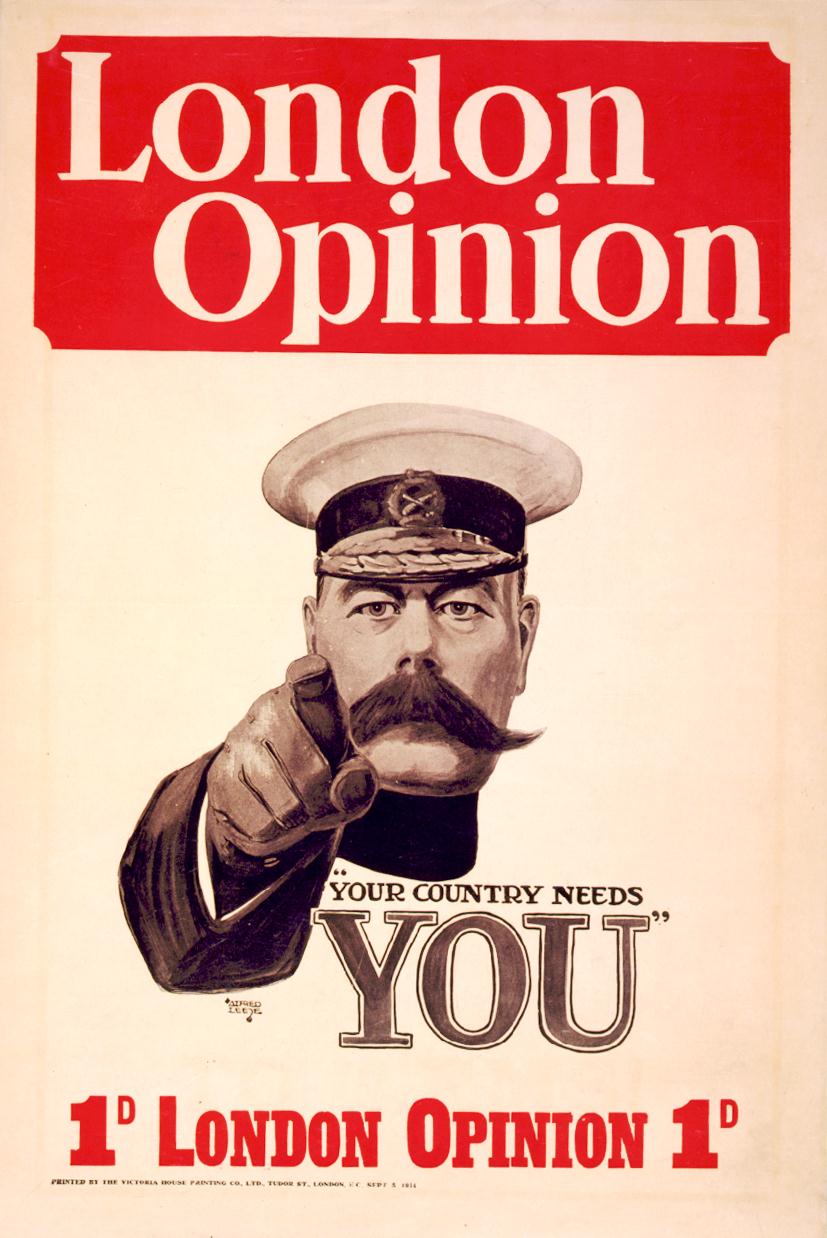
There is a world of difference between defending your country and being ordered to fight in somebody else's war.
One is a duty many of us would willingly embrace. The other is a demand that ought to send a chill down the spine of anyone who values freedom, democracy and the right to say no.
And as Britain increasingly talks the language of military readiness, national resilience and preparing society for conflict, perhaps it is time we asked an awkward question.
Who gave politicians the right to decide which wars our children should die in?
Before the Ministry of Defence reaches for its smelling salts, let me make something perfectly clear. I am a peace activist but I am not a pacifist. As such, I am not opposed to defending Britain against aggression. If our country were attacked, protecting our homes, families and communities would be an entirely legitimate responsibility.
But defending your country and defending your government's foreign policy are not necessarily the same thing.
Just ask the families who watched their sons and daughters march off to Iraq back in 2003.
They were sold a war built around claims of weapons of mass destruction. What followed was a catastrophic conflict, immense human suffering and a legacy of instability that continues to haunt the region.
Imagine if those soldiers had been conscripts.
Imagine being legally compelled to participate in what is still believed to be an illegal war, one that you believed was unjustified, with the alternative being punishment by the very state that claimed to be defending freedom.
That is the moral minefield Britain must confront before anyone seriously contemplates restoring compulsory military service.
And here is where Pakistan provides an intriguing comparison.
Pakistan is a nuclear-armed country living in one of the world's most volatile neighbourhoods. It shares a deeply contested relationship with nuclear-armed India, while instability and militant violence along its Afghan frontier present continuing security challenges.
Yet Pakistan maintains its armed forces without routine conscription.
It has relied on professional volunteers, despite having legislation dating back to 1970 providing for national service.
If Pakistan can maintain a substantial volunteer military amid such formidable security pressures, why should Britain assume that compulsion is the answer to its own defence challenges?
Of course, Pakistan's military establishment is hardly a model of democratic accountability. Nor are its circumstances identical to Britain's. But its experience challenges the lazy assumption that military danger must inevitably lead to compulsory enlistment.
Britain currently has no conscription. Ministers insist they have no plans to introduce it. Despite their insistence and continuous denials, I am not convinced.
Nevertheless, the language is changing.
The Government's Strategic Defence Review calls for greater military readiness, an expanded reserve and a closer relationship between the armed forces and wider society.
Young people are being offered a voluntary military gap-year scheme, giving them paid training and experience in uniform.
On its own, there is nothing sinister about that. Voluntary military service is a legitimate career choice, and those who undertake it deserve respect.
But the question is where voluntary participation ends and state compulsion begins.
A society preparing for emergencies is one thing. A society being conditioned to accept compulsory military service is quite another.
We should scrutinise the direction of travel without pretending that conscription has already been announced.
Britain has been here before.
During the First World War, conscientious objectors were vilified, imprisoned and treated as cowards because they refused to participate in organised killing.
Some objected on religious grounds. Others were pacifists. Many simply believed that the state had no moral right to command them to take another human life.
History has been considerably kinder to some of those men than their contemporaries were.
Their courage was not measured by their willingness to carry a rifle, but by their willingness to withstand public hostility and state punishment for refusing one.
And here is the question that should trouble every parent in Britain.
If the government of the day launches an overseas military intervention, should your son or daughter be compelled to participate simply because ministers have declared it necessary?
What if Parliament supports the war but the public opposes it?
What if the justification collapses?
What if the conflict has little demonstrable connection to protecting Britain from attack?
Does a government acquire ownership of its citizens' bodies merely because it has won an election?
I would argue that it does not.
A democratic state can reasonably ask its citizens to contribute to national security. It can train volunteers, maintain reserves, prepare hospitals, strengthen infrastructure and organise civilian emergency responses.
But compulsory combat service crosses a profound moral boundary.
It transforms the citizen from an individual with a conscience into an instrument of state policy.
And the burden would fall most heavily on the young, who would be expected to surrender years of their lives, perhaps their futures, to decisions made by politicians comfortably removed from the battlefield.
There is something grotesquely unequal about a system in which powerful people can authorise military adventures while ordinary families pay the ultimate price.
None of this diminishes the courage of Britain's serving personnel. Indeed, respecting their service means recognising that the decision to enlist carries enormous consequences.
It should never be trivialised by politicians who speak casually of sacrifice.
If Britain is genuinely threatened, the case for defending it should be made openly, honestly and convincingly.
And if the case is strong enough, a free society should first trust its people to respond voluntarily.
Patriotism cannot be measured by a young person's willingness to die in a war they never voted for, never believed in and may never have understood.
Nor should conscientious objection be confused with cowardice.
Sometimes the bravest words a citizen can utter to a government are simply these:
“No! Not in my name.”
Britain does not currently have conscription, and long may that remain the case.
But if the question ever returns to Parliament, the debate must begin not with how many young people can be put into uniform, but with the limits of state power over individual conscience.
Because the moment a government can compel you to fight its wars, the argument is no longer simply about national defence.
It becomes a question: Who owns your life?
And that is a question no free society should ever be afraid to ask.


Reader comments
Subscribers can join the conversationSign in to join the conversation. Comments are open to everyone with a free account.
Sign in or create accountLoading comments…