
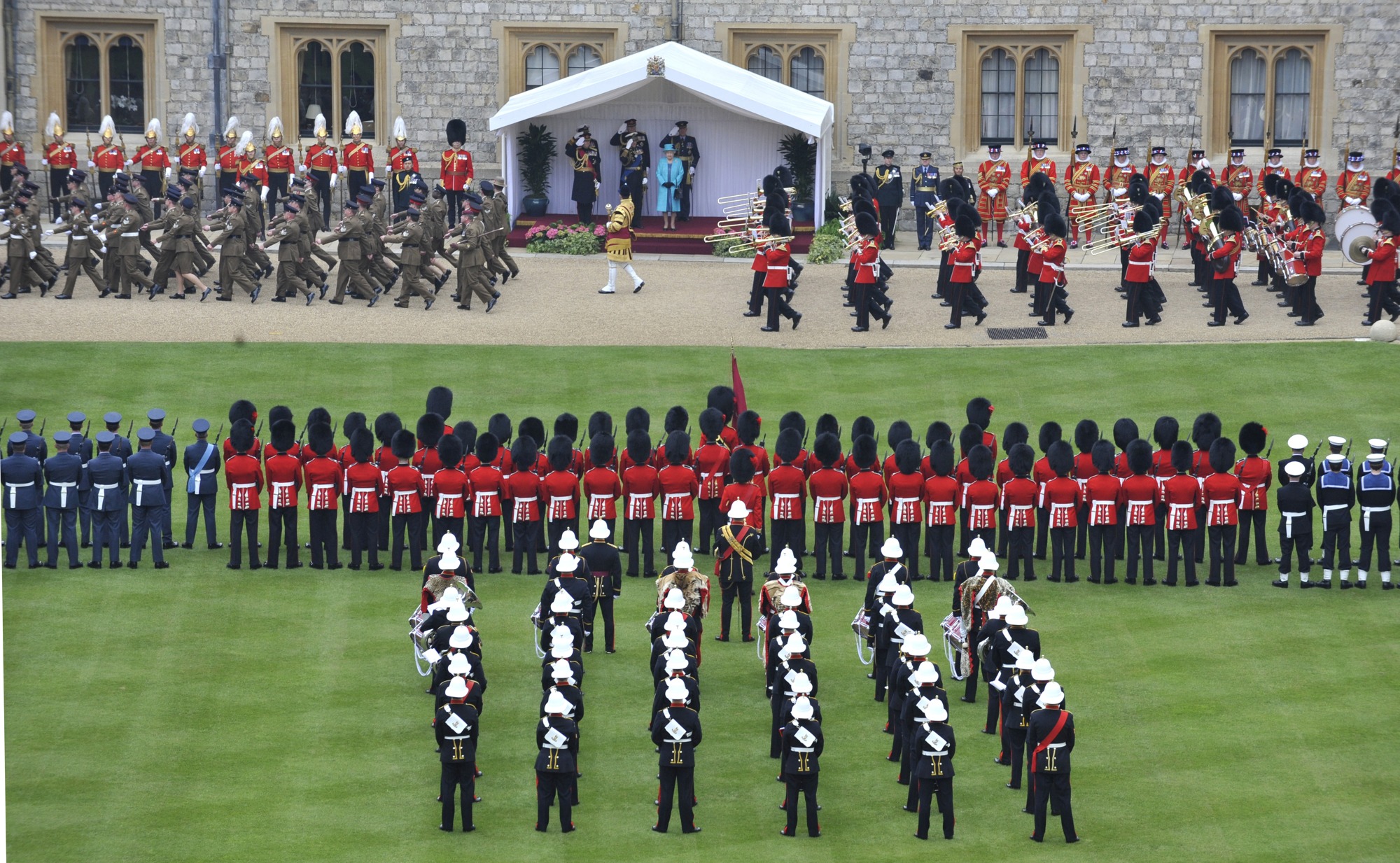
Imagine being told to pick up a rifle and fight for Britain against a country you also call home.
Not because you volunteered. Not because you believe in the war. But because the government has decided your military service is compulsory.
Now imagine that the country on the other side of the conflict is Pakistan, where your parents were born, where your grandparents are buried, and whose citizenship you also hold.
Welcome to one of the most uncomfortable questions lurking beneath Britain's renewed enthusiasm for military readiness.
Two passports. Two countries. One uniform.
And potentially an impossible choice.
Britain has not reintroduced conscription. Nor has the Government announced plans to do so. But as ministers expand military recruitment initiatives and discuss the need for greater national preparedness, we should examine the consequences before compulsory service ever becomes a serious proposition.
Especially for the millions of British citizens whose family histories cross international borders.
Let's begin with Pakistan.
The country has a substantial professional military and faces considerable security challenges, including tensions with nuclear-armed India and violence along its border with Afghanistan.
Yet routine military conscription is not part of its current recruitment system.
Pakistan does have a National Service Ordinance dating from 1970, containing provisions for compulsory service. But the existence of those provisions should not be confused with an operating system of universal military call-up.
Pakistan also recognises dual nationality with Britain.
This means a person may lawfully be both British and Pakistani, holding citizenship rights in two countries with distinct political interests, histories and foreign policies.
There is nothing inherently contradictory about that arrangement.
Nor should dual citizenship invite suspicion about someone's loyalty.
A British-Pakistani citizen is not somehow less British than someone whose family has lived in Yorkshire for twenty generations.
But what happens if Britain introduces conscription?
Would dual nationals be required to serve?
Would there be exemptions for people holding another citizenship?
What if the proposed conflict involved their second country?
And who would decide whether an objection was genuine?
At present, there are no definitive answers because no British conscription legislation has been proposed setting out such rules.
That uncertainty is precisely why the questions deserve attention now.
Britain already permits eligible Commonwealth citizens to volunteer for its armed forces, subject to recruitment requirements.
Voluntary service is one thing. Compulsory service is another.
There is an enormous moral difference between choosing to join the British Army and being told that refusal could bring criminal consequences.
And British-Pakistani families are not the only people who might face such dilemmas.
Consider British citizens who also hold Nigerian, Indian, Irish or other nationalities. Their circumstances would vary, not least because citizenship rules differ from country to country.
But the underlying question remains.
Can a government demand military service without recognising that its citizens may have legitimate ties, responsibilities and deeply held commitments beyond Britain's borders?
This is not an argument that dual nationals should enjoy fewer responsibilities than other citizens, nor that they should automatically receive special treatment.
It is an argument that the state must explain the limits of any compulsory obligation, and the protections available to everyone.
And there is a historical irony here that should not escape us.
Long before Pakistan existed as an independent country, men from the Indian subcontinent were serving and dying in Britain's imperial armies.
During the two world wars, millions of Indian soldiers served under British command.
Their contribution was enormous. Their sacrifice was real. And their service took place within an empire in which the people supplying the manpower did not enjoy equal political power with those governing them.
It is a history worth remembering whenever Britain speaks about military duty and national loyalty.
The British state has a long record of drawing upon the manpower of communities whose relationship with imperial power was complicated, unequal and sometimes bitterly contested.
Today's British-Pakistani communities are citizens of a very different Britain.
They are doctors, teachers, engineers, business owners, journalists, soldiers and public servants. They have helped build modern Britain and have every right to expect equal treatment under its laws.
But equal citizenship should not mean unquestioning obedience to every military adventure a government might undertake.
Indeed, that principle should apply to every British citizen.
The right to defend one's home is not the same as an obligation to support every decision made in Westminster.
Consider the Iraq War.
Many British Muslims opposed that invasion. So did millions of other Britons, from every religious background and none.
Their opposition did not make them disloyal.
It meant they disagreed with the government's decision to wage war.
Now imagine a future in which similar objections were met not with political argument but with compulsory enlistment.
Would a young person be entitled to refuse?
Would religious or ethical objections be recognised?
Could someone be compelled to fight in a particular overseas conflict while believing that the war itself was unlawful or immoral?
And what protections would exist against punishment for following one's conscience?
Britain has recognised conscientious objection in previous periods of conscription, although the historical treatment of objectors was frequently harsh.
Any future legislation would need to confront those questions directly.
But I would go further.
The state should never assume that because it has the legal machinery to demand obedience, it also possesses the moral authority to command someone to kill.
That distinction matters whether a person holds one passport or three.
And there is another uncomfortable issue.
If Britain ever found itself in direct conflict with Pakistan, would a British-Pakistani dual national be expected to demonstrate loyalty by fighting against the country of their other citizenship?
This is a hypothetical scenario, not a prediction. Britain and Pakistan have long standing diplomatic and defence relationships.
Nevertheless, the question illustrates the potential conflict between citizenship, conscience and military obligation.
There is no reason to assume that a dual national would be unwilling to defend Britain against an attack. Many would undoubtedly regard Britain as their home and its security as their own.
But defending Britain from aggression and participating in an overseas war involving another country are not morally identical propositions.
Nor should citizenship become a test of whether someone is prepared to suppress every other attachment in their life.
Governments may draw borders on maps, but human identities do not always fit neatly inside them.
A person can love Britain and Pakistan.
A person can be proud of British citizenship while rejecting a British government's foreign policy.
And a person can be willing to defend the country they live in while refusing to participate in a war they believe is wrong.
None of these positions is inherently contradictory.
The danger arises when politicians decide that disagreement is disloyalty and conscience is an inconvenience.
Britain does not need to manufacture suspicion around its dual-national communities.
It needs a serious debate about military obligations, equal citizenship and the fundamental right to refuse participation in an unjust war.
Because if compulsory service ever returns, the consequences will reach far beyond barracks and parade grounds.
They will enter family homes, divide communities and raise questions that cannot be answered by waving a Union Jack.
Two passports may give a person two countries to call home.
They should not give politicians twice the opportunity to send that person to war.
End of article.

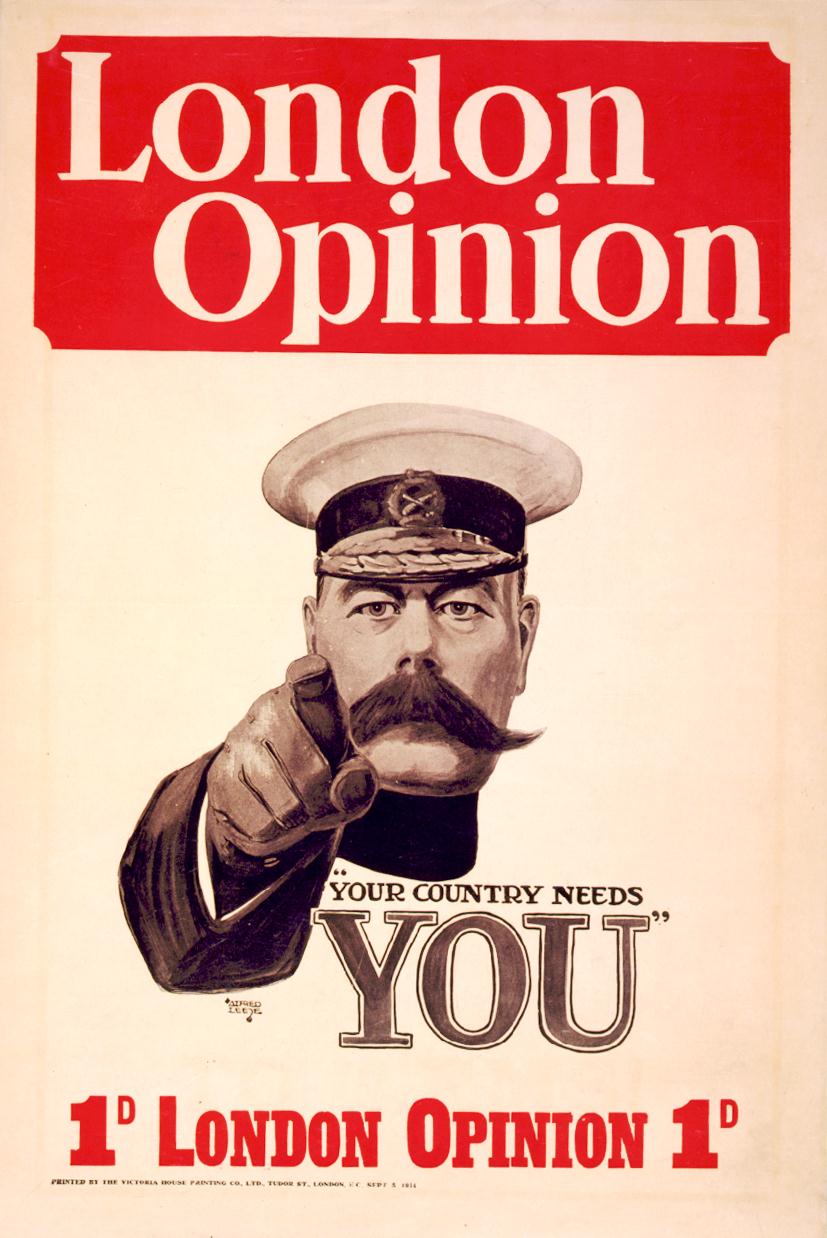

Reader comments
Subscribers can join the conversationSign in to join the conversation. Comments are open to everyone with a free account.
Sign in or create accountLoading comments…