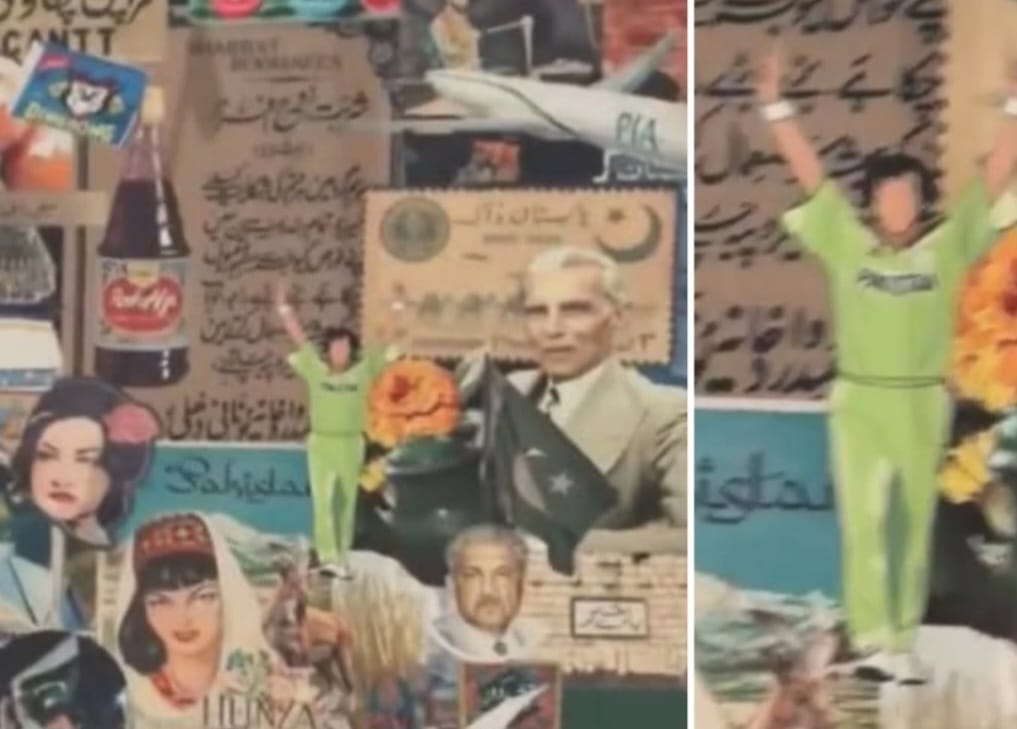
There is a particular horror in watching healers turn into hiders. At the APPNA 49th Annual Convention in Orlando this July, reports circulated that Imran Khan’s face had been edited out of a poster commemorating Pakistan’s 1992 Cricket World Cup triumph — the very team he captained to the country’s only 50-over title. If true even in part, it is a grotesque echo of the Pakistan Cricket Board’s own 2023 erasure of Khan from its anniversary tribute, an incident so widely condemned that even Al Jazeera called it “shameful”. That doctors — bound by the Hippocratic oath to preserve dignity and life — would allegedly flinch from a cricket photograph is not caution. It is complicity dressed as neutrality. (Aljazeera)
Contrast that cowardice with the courage of cricket itself. Fourteen of the sport’s greatest former captains — Sunil Gavaskar, Kapil Dev, Michael Atherton, Greg Chappell, Clive Lloyd, Steve Waugh and others spanning India, England, Australia and the West Indies — set aside decades of on-field rivalry to write directly to Pakistan’s prime minister in February 2026, expressing “profound concern” over Khan’s deteriorating health, including reports he has lost up to 85 percent of vision in one eye, and demanding humane detention conditions, family visits, and treatment “from qualified specialists of his choosing”. If Khan’s fiercest sporting rivals can find their voice, an association of his own countrymen — sworn physicians — should not need reminding.
The facts on the ground are damning. Khan has sat in Adiala Jail since August 2023. A Rawalpindi anti-terrorism court has formally rejected his request to be examined by his own doctors; his sister Aleema Khan says the government has refused to let his personal physician or a family representative attend even a court-ordered eye exam. His sons, Kasim and Sulaiman, have not seen their father in person since he survived an assassination attempt in 2022, and their visa applications have stalled for months despite a direct appeal from their mother, Jemima Goldsmith, to PM Shehbaz Sharif. This is not incarceration; it is engineered isolation.
The world has noticed what APPNA seemingly could not. Richard Branson called Khan’s detention a “dark shadow” on Pakistani democracy. Dr. Larry Brilliant, physician and epidemiologist, warned that “what happened to Alexei Navalny in Russia’s gulag cannot be allowed to happen to Imran Khan”. The UN Special Rapporteur on Torture, Alice Jill Edwards, has been formally petitioned on his treatment. Dozens of US legislators and members of the UK Parliament have separately called for his release on humanitarian grounds.
History does not forget which institutions stood up when a leader was caged unjustly, and which looked away. When Mandela, Gandhi, and Navalny were imprisoned, their compatriots — doctors, lawyers, artists — did not erase them; they amplified them. APPNA’s members took an oath to protect life, not political comfort. Silencing Imran Khan’s image while his eyesight fails in a solitary cell, while his sisters are turned back at the prison gate, while his sons are denied a visa to simply see their father — this is not neutrality. It is a betrayal of medicine’s most basic promise.
Imran Khan should be released immediately, examined by doctors of his own choosing, and reunited with his family. Anything less makes bystanders of us all.


Reader comments
Subscribers can join the conversationSign in to join the conversation. Comments are open to everyone with a free account.
Sign in or create accountLoading comments…