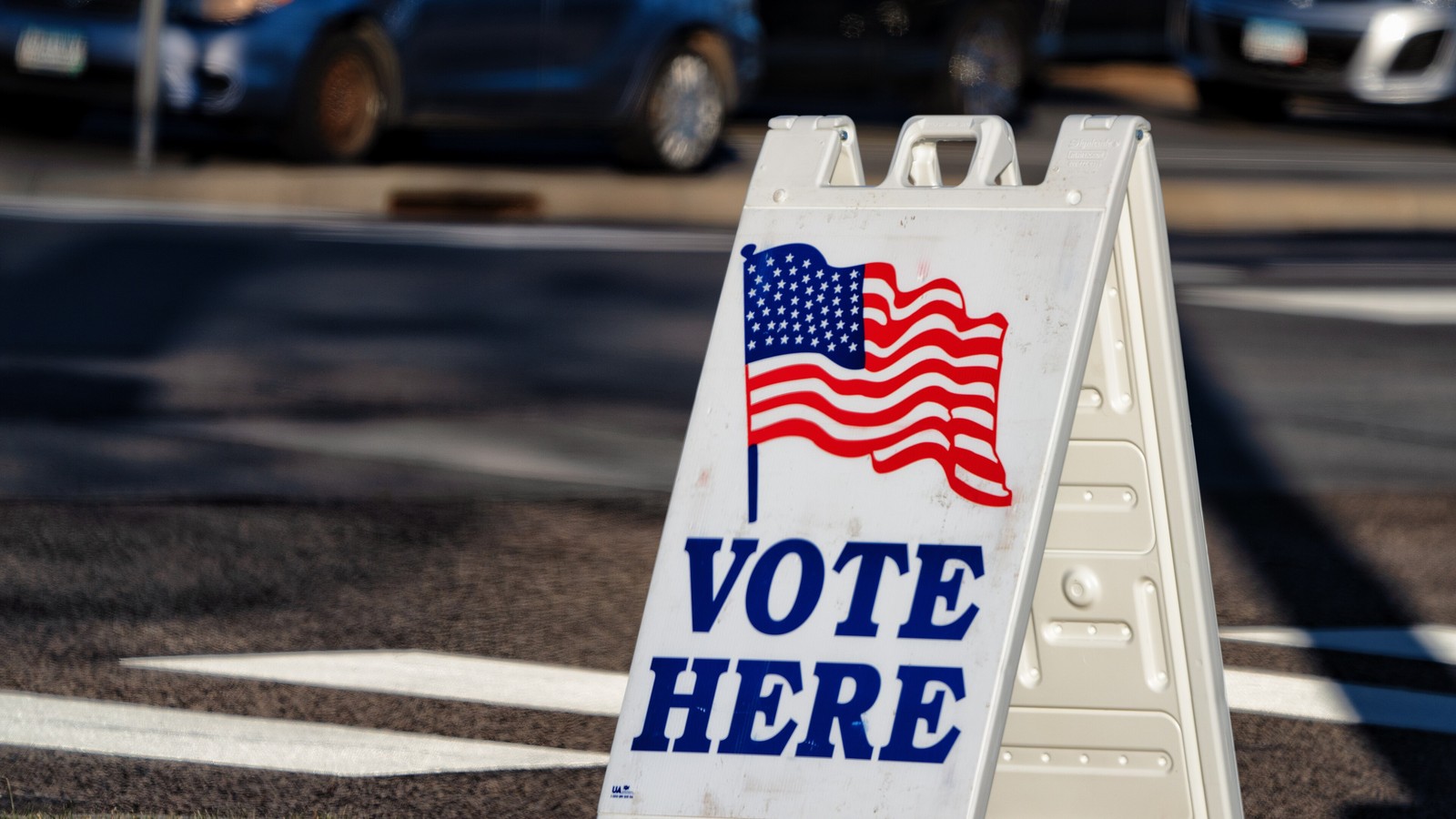
In-person voting has begun in the 2026 midterms, opening six weeks of ballots, court fights and campaigning over who will control Congress.
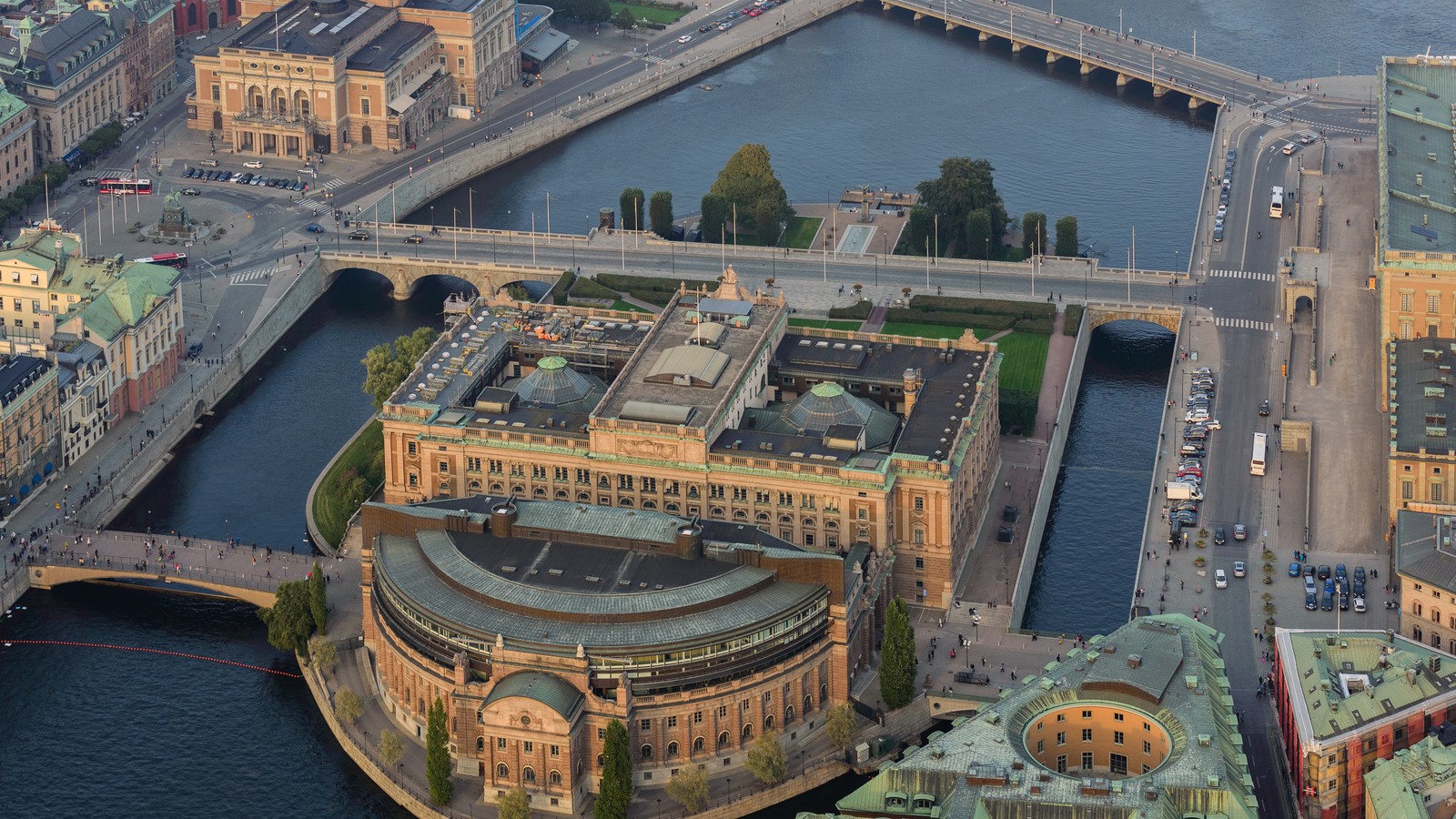
With 1.3% of districts left to count, Reuters said the opposition was on course for 176 seats against 173 for the governing right-wing bloc.
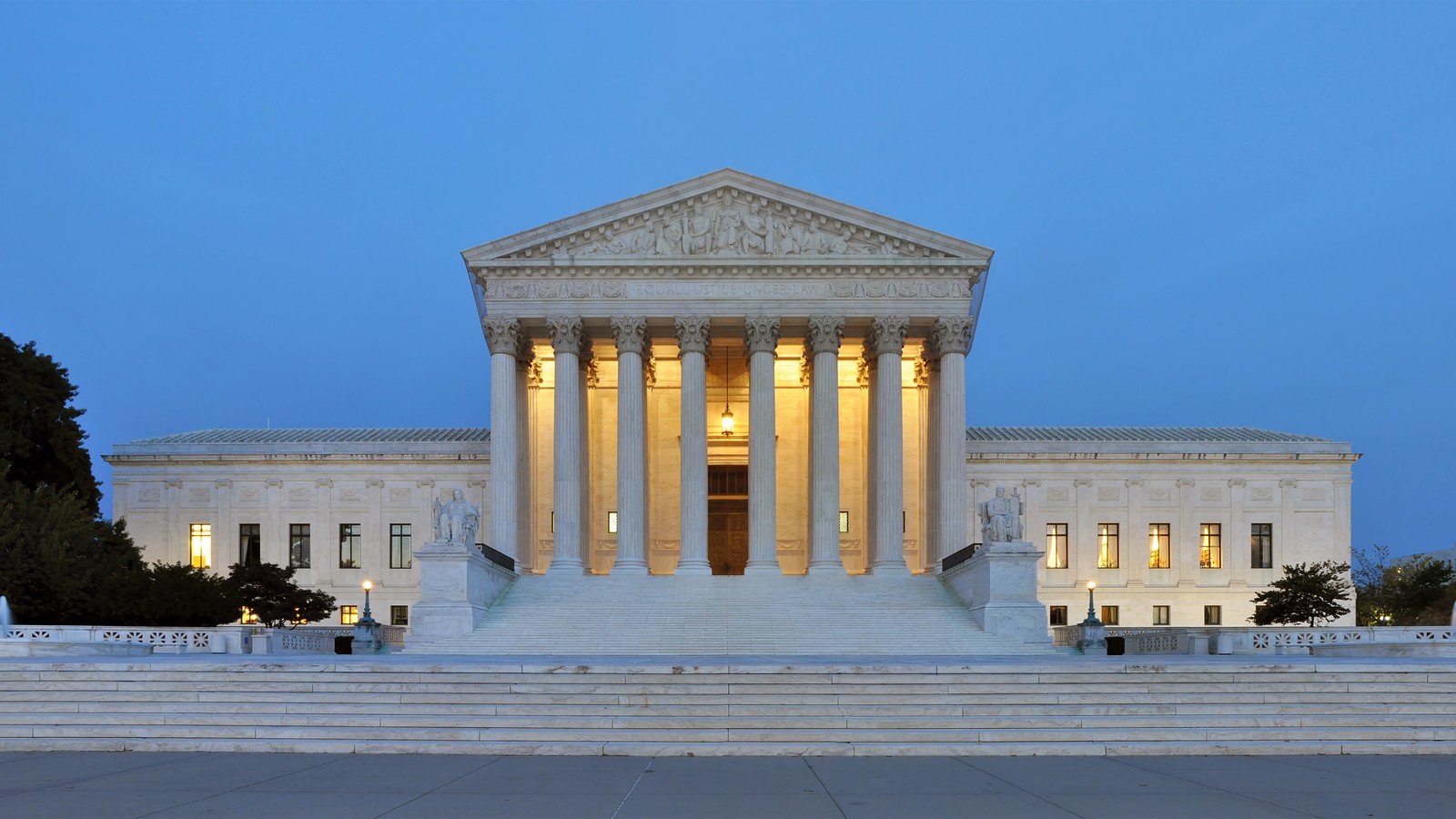
A Washington judge has stopped the US Postal Service implementing the administration’s new mail-voting rules, adding a second injunction before the midterms.
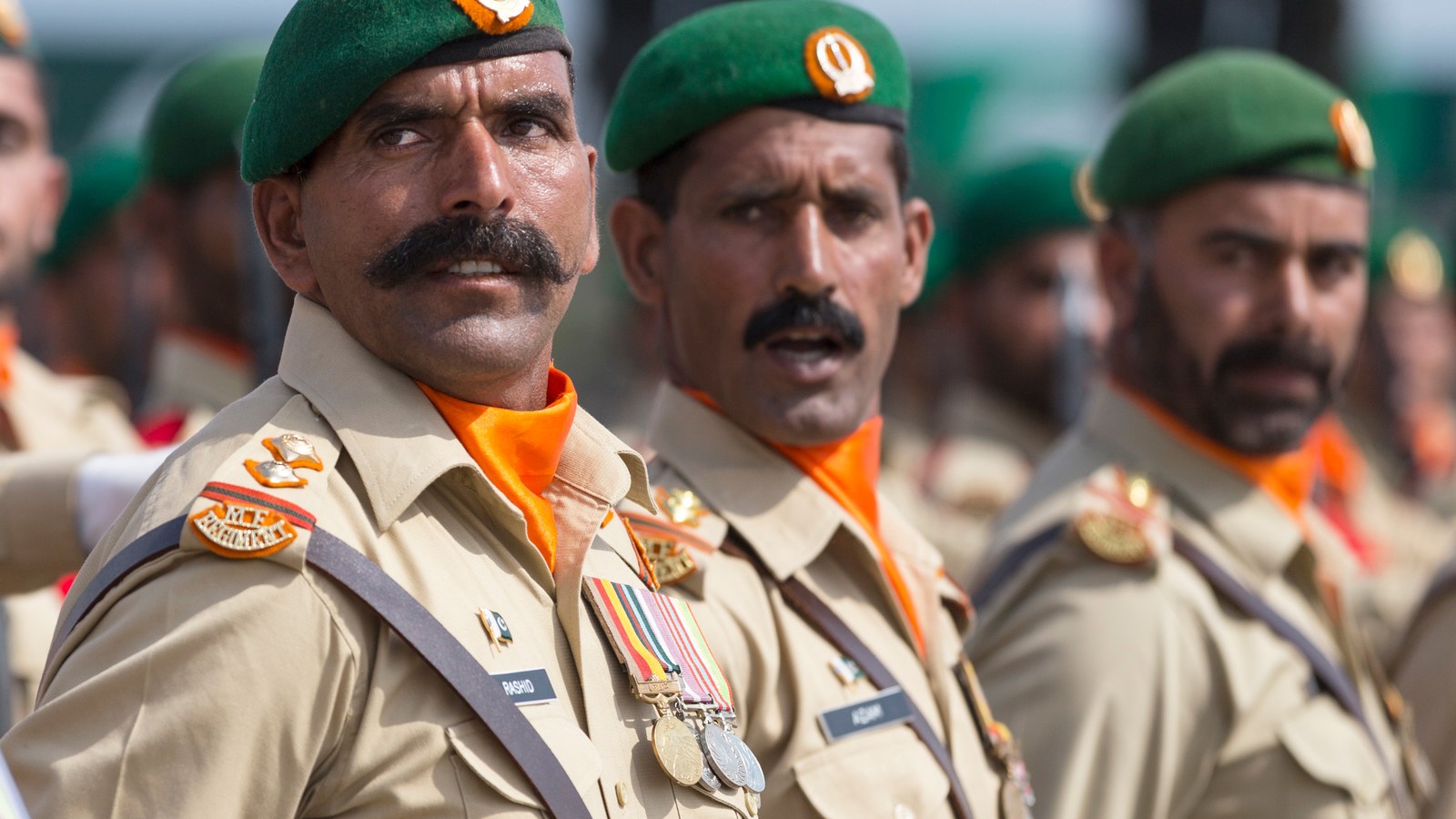
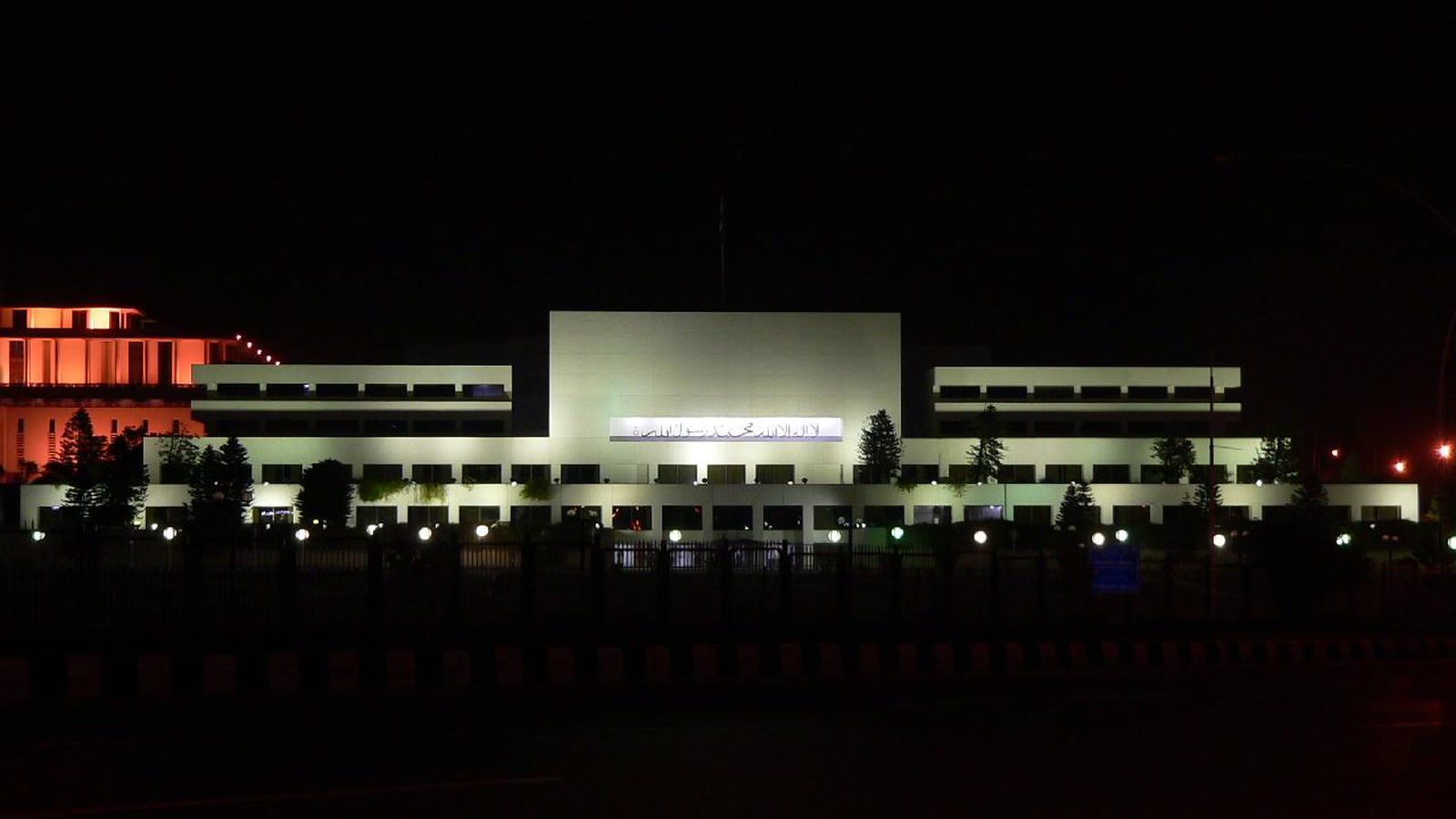
Crisis is the establishment's most reliable instrument, and Pakistan's elected leaders keep handing it more ground
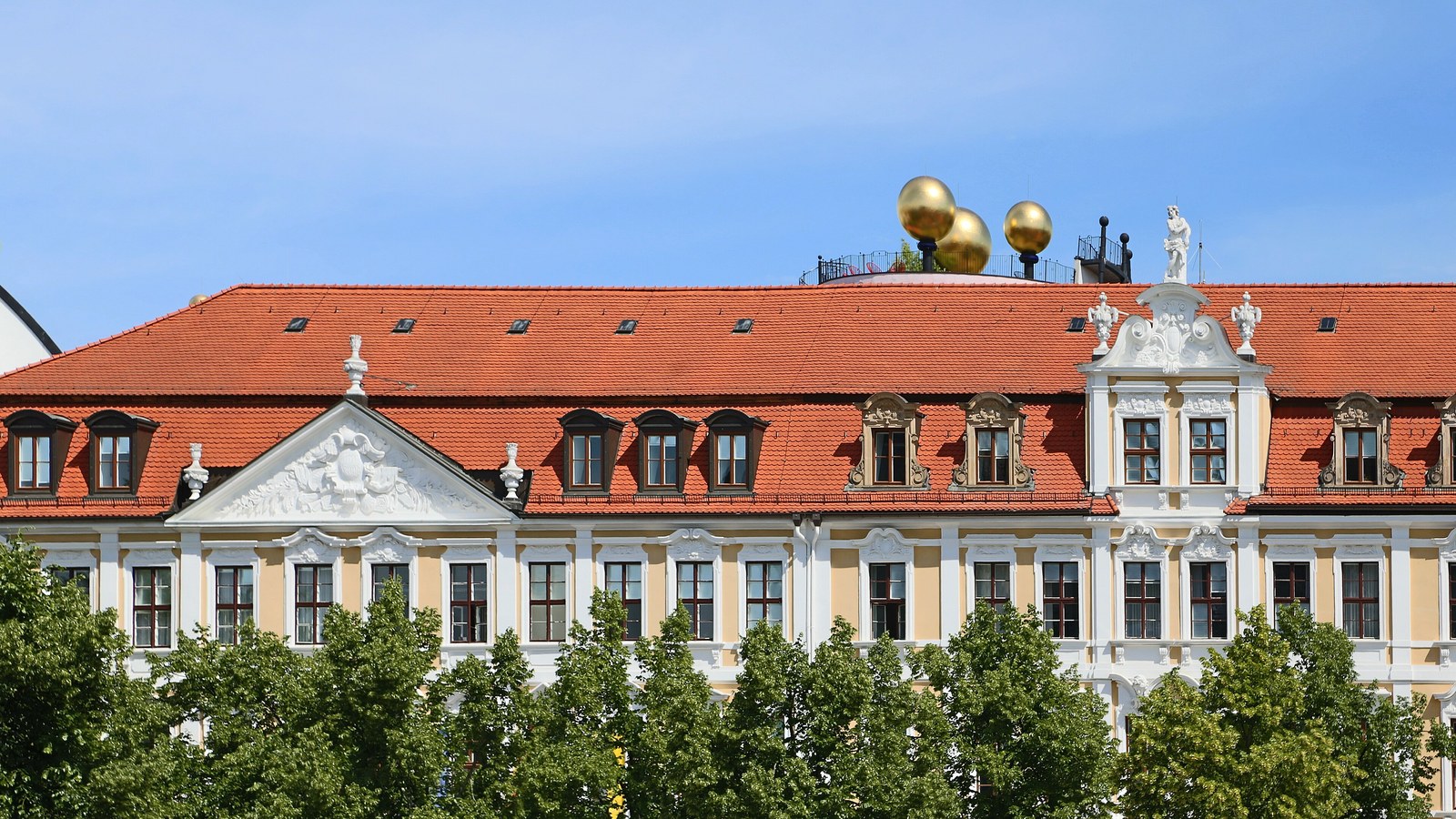
The far-right Alternative for Germany fell just short of a majority in Saxony-Anhalt, weakening Friedrich Merz and reopening questions about the country's political firewall.
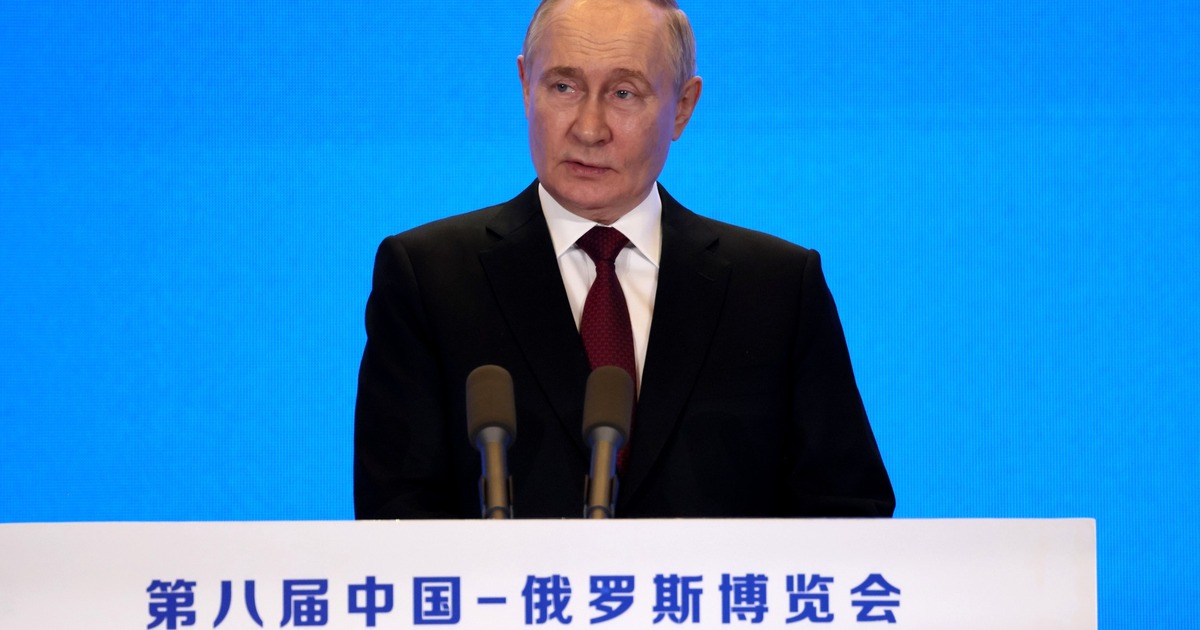
Personal fear, autocratic power and the absence of a constitutional exit can turn political failure into a cycle of repression and escalation.
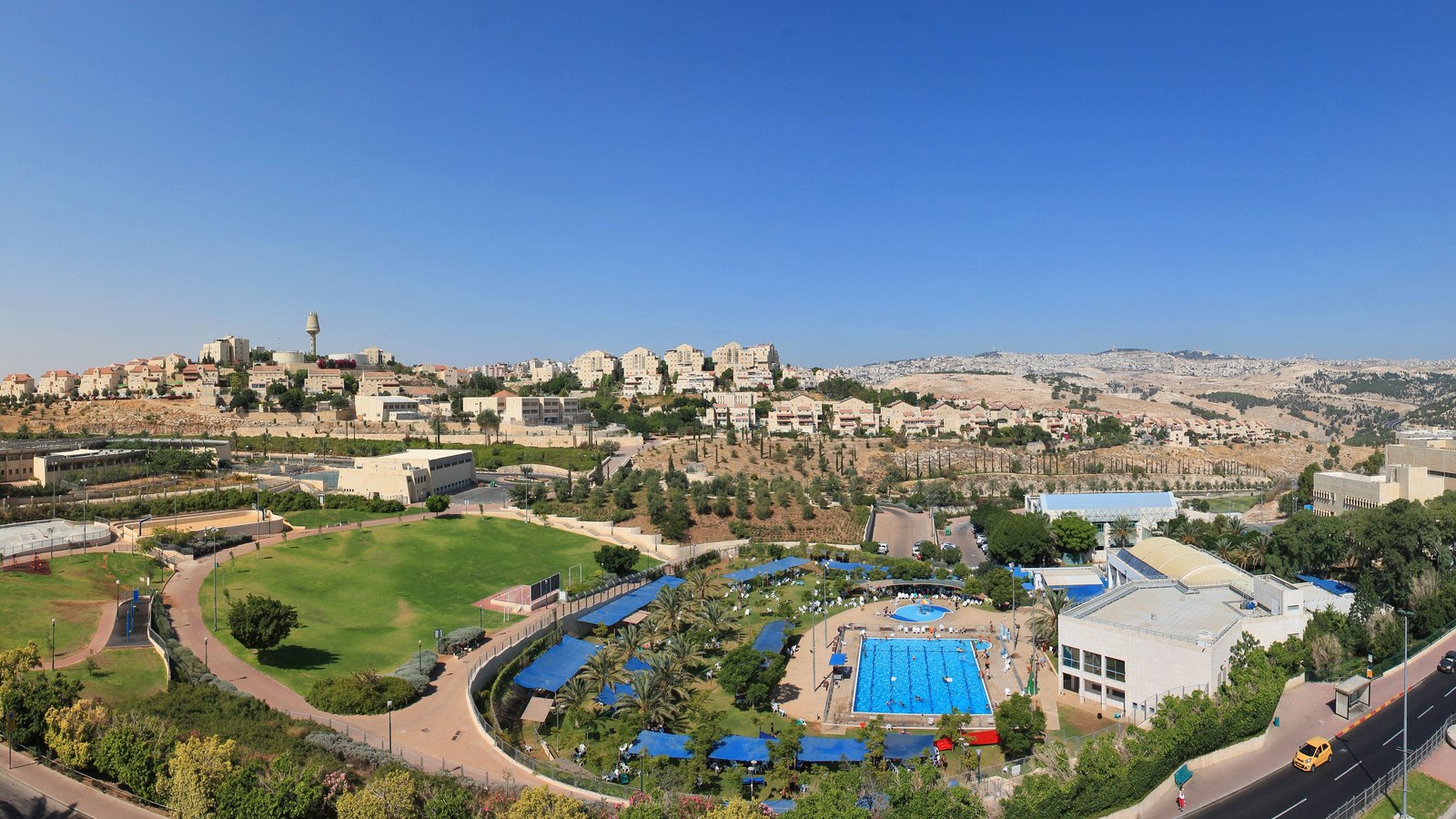
Foreign Secretary Ed Miliband told MPs that the E1 project risks making a Palestinian state unviable and that measures will follow in the coming weeks.
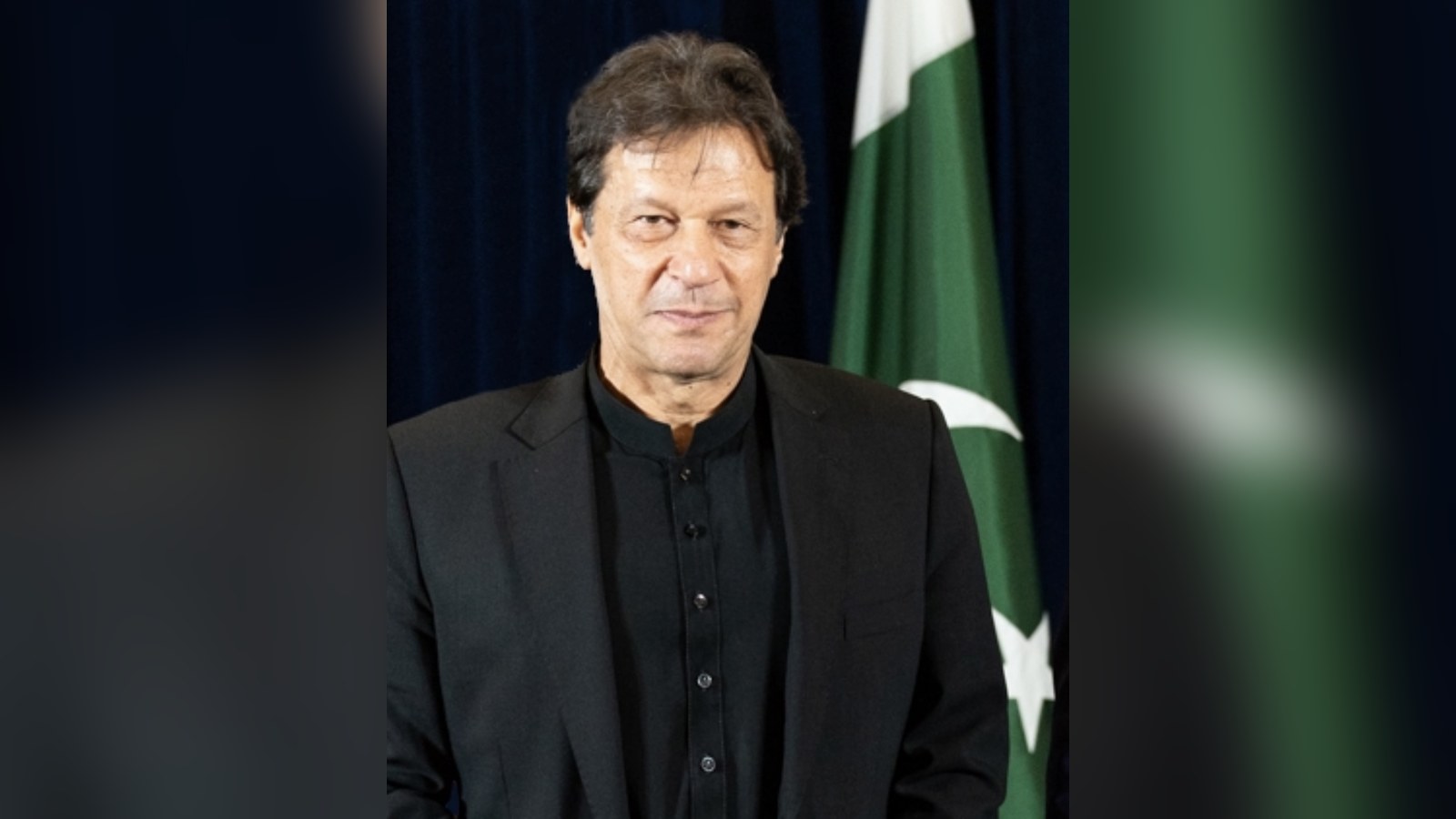
Dr. Salman Ahmad reflects on the democratic rupture of 1971 and argues that electoral legitimacy cannot indefinitely be suppressed.
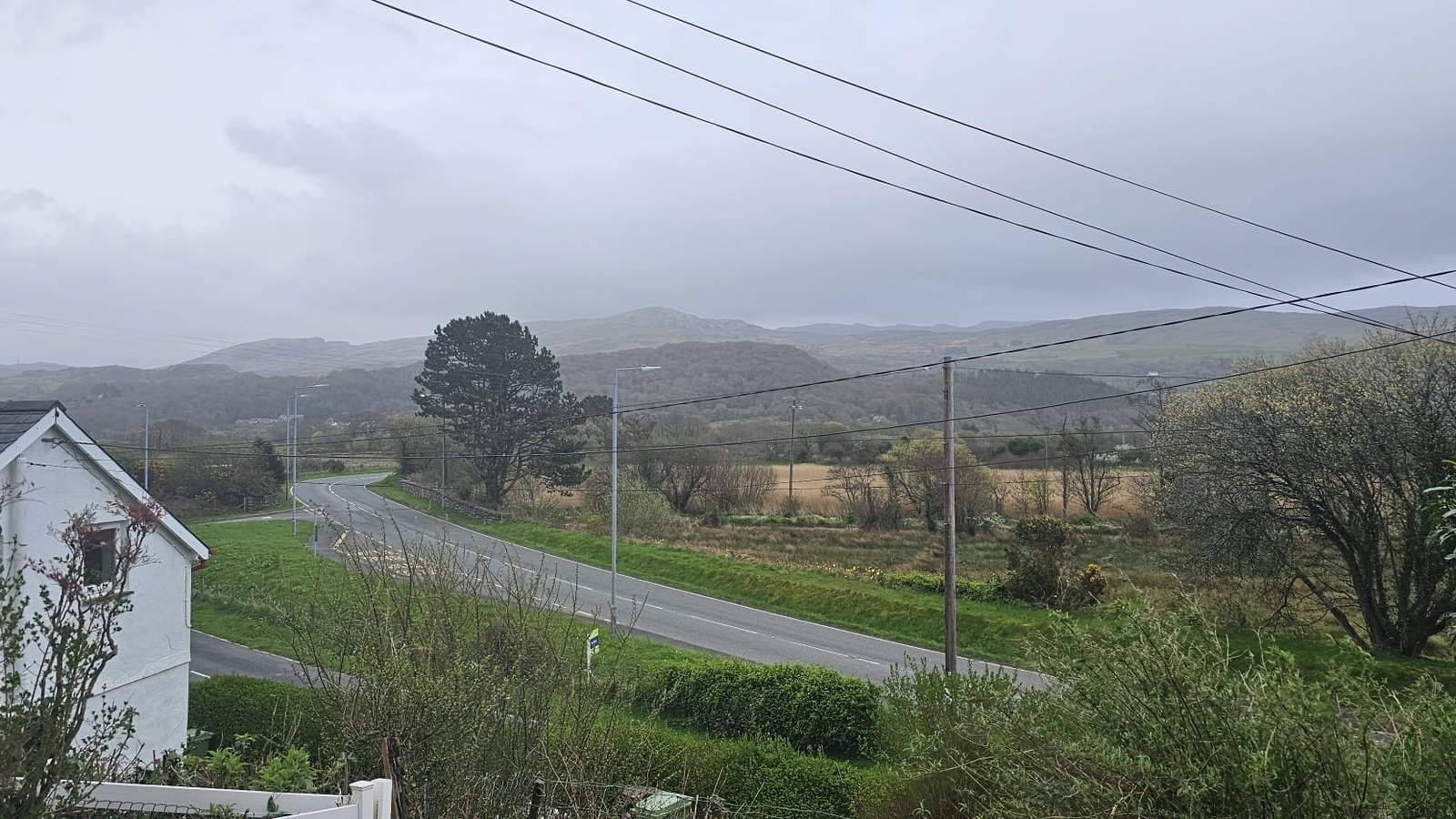
An unexpected Sunday-morning power-cut alert reviewed by Parrhesia raises an obvious question after reports of an Iran-linked cyberattack. There is no evidence that the local outage and the reported generator shutdown are connected.
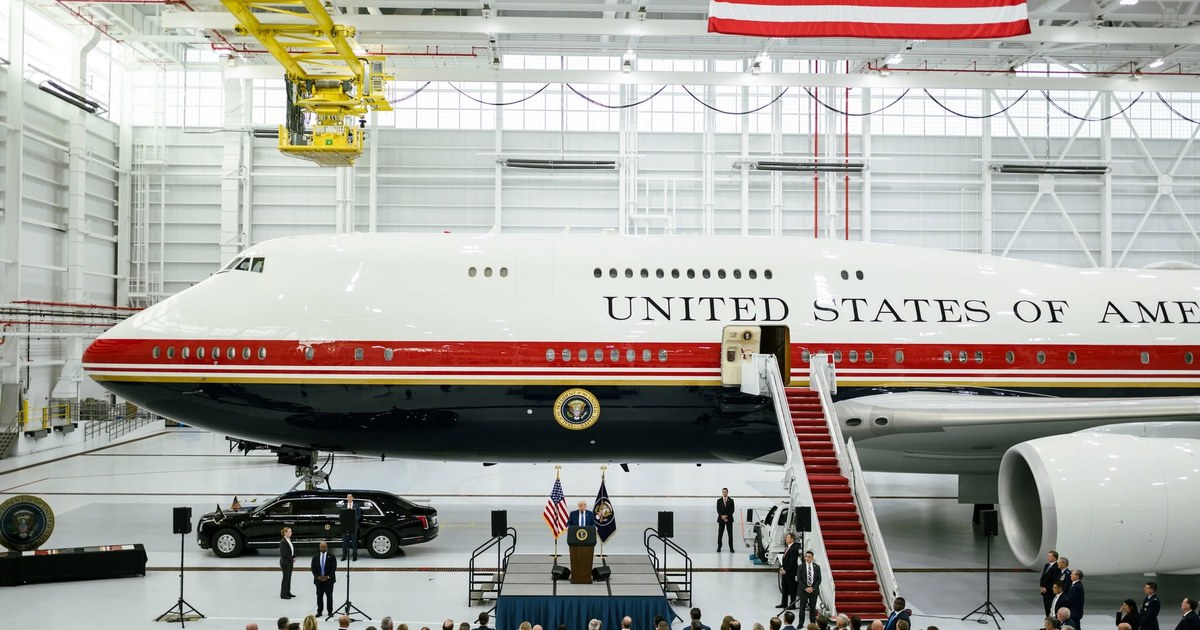
The US president says the Secret Service and military moved him off Air Force One after the NATO summit because of a threat; reporting has linked the concern to Iran.
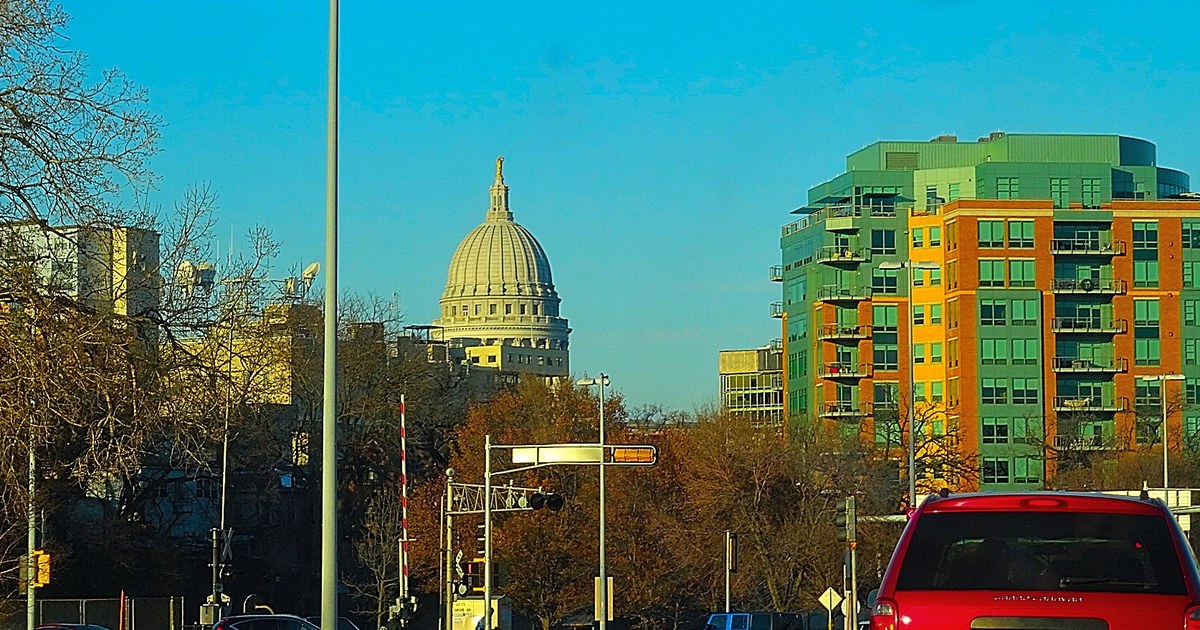
David Crowley narrowly won Wisconsin's Democratic governor primary while progressive Peggy Flanagan took Minnesota's Democratic Senate nomination and a Trump-backed candidate lost the Republican governor race.

The prime minister convened an emergency Cobra meeting as temperatures approached 38C, wildfires spread and ministers said the NHS must prepare for regular summer heat emergencies.
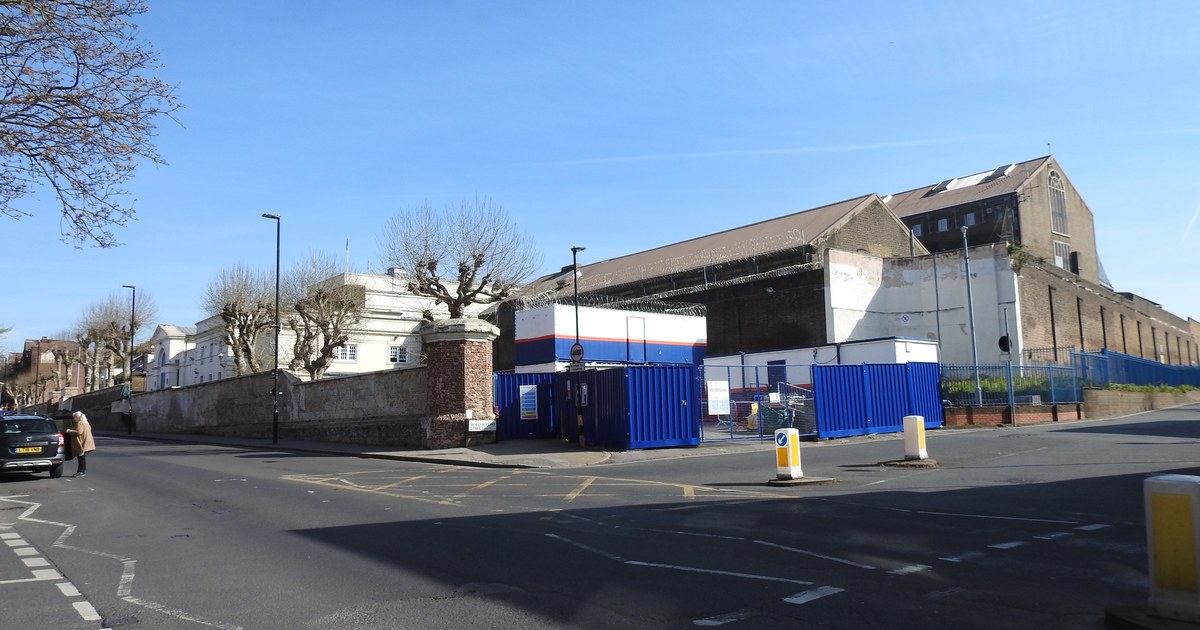
The prime minister has ordered Justice Secretary Alex Norris to develop options for keeping the most serious offenders in custody while ministers search for enough prison capacity to reduce reliance on early release.
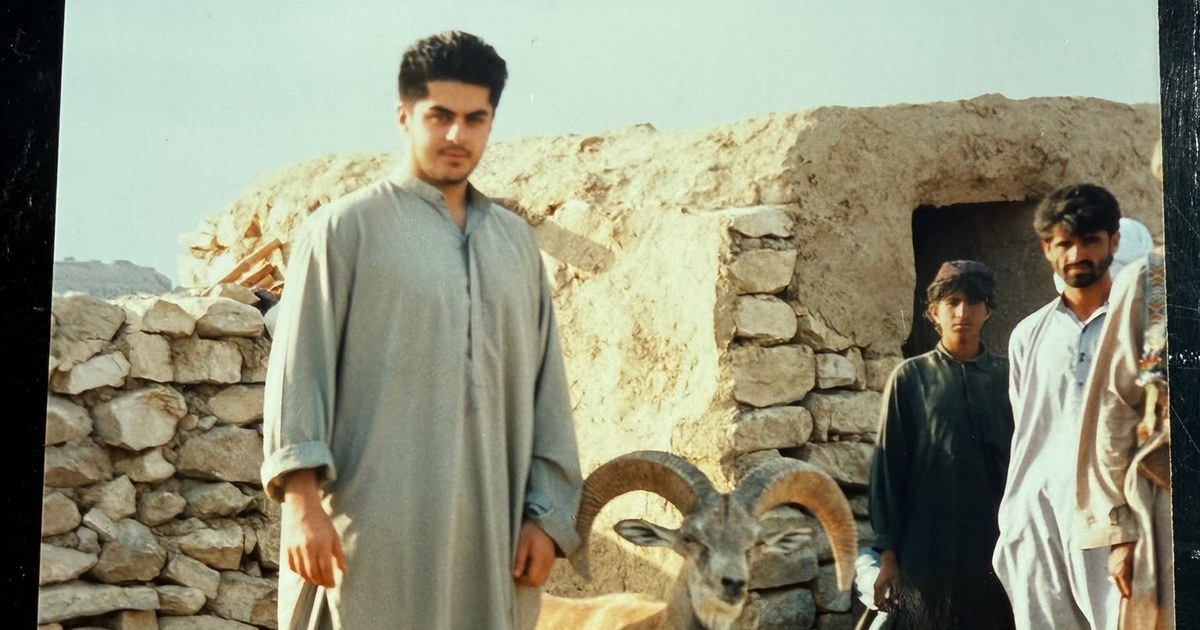
He Who Carried His Homeland Into Exile and Never Put It Down
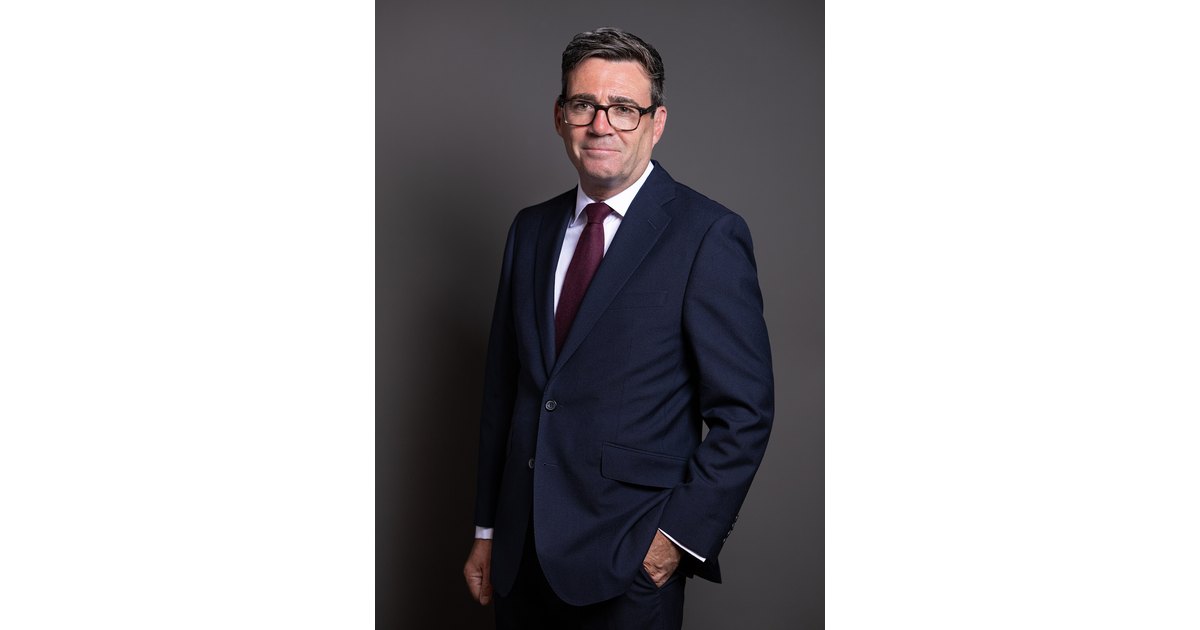
The prime minister is preparing a national tour focused on household finances, consumer protections and struggling high streets as he tries to make his government's 'listening mode' visible outside Westminster.
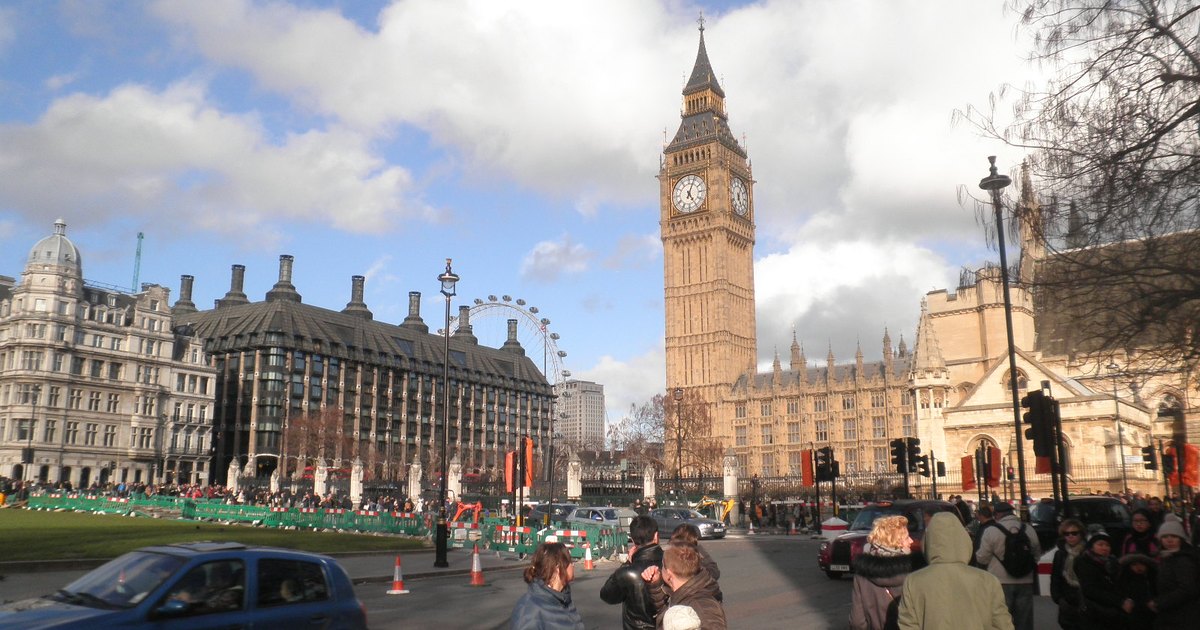
An updated government timetable puts electronic statutory union ballots on 25 August, six-month tribunal claim limits on 1 October and expanded harassment duties on 30 October.
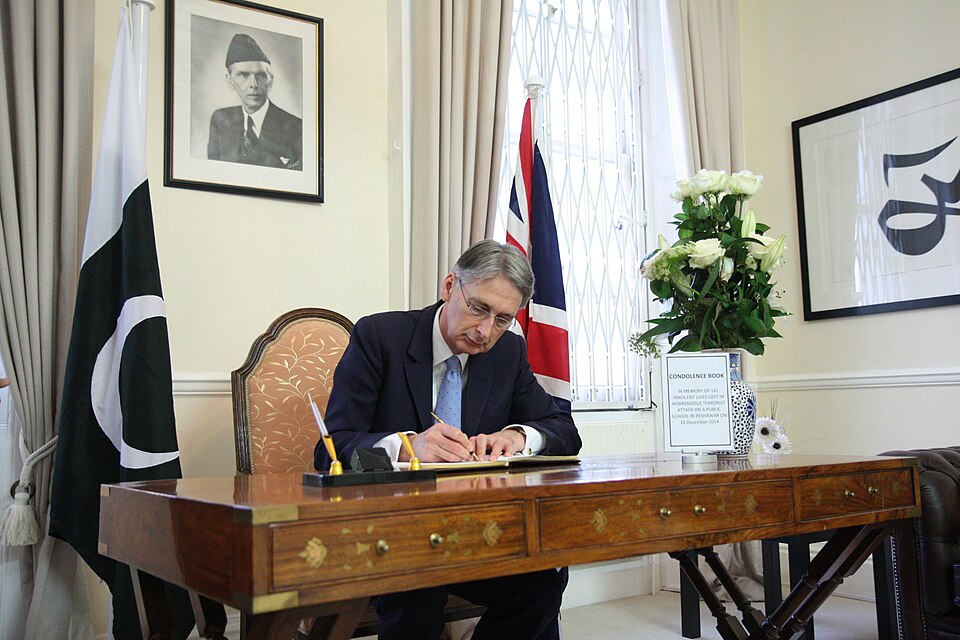
The confirmation of a £153 million, three-year aid package for Pakistan has ignited a fierce political controversy in the UK, triggering a high-stakes diplomatic standoff between London and Islamabad.
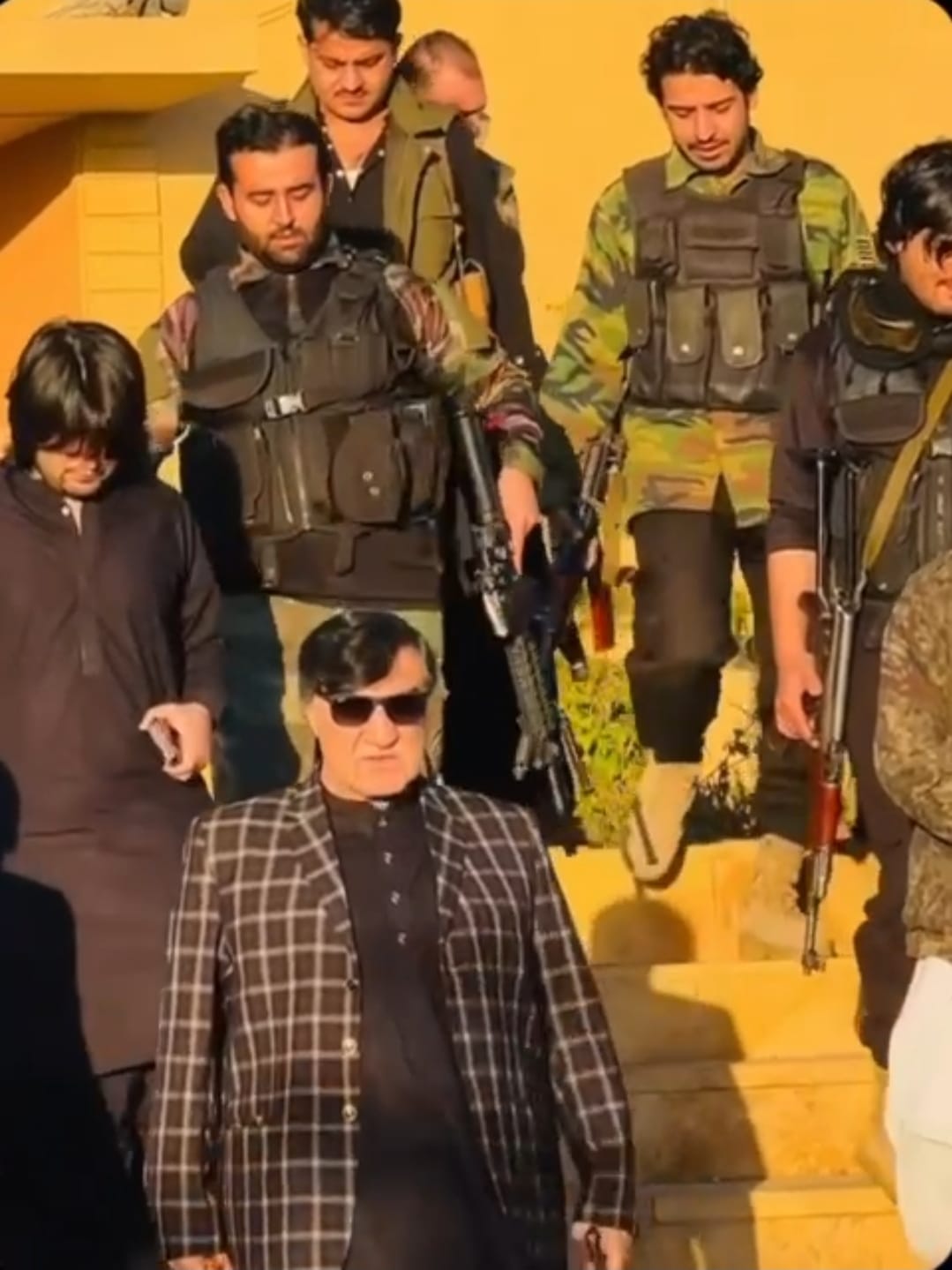
Adil Raja and Shahid Qazi examine claims that former Afghan National Army personnel, displaced after 2021, are being recruited into armed networks operating in Balochistan.
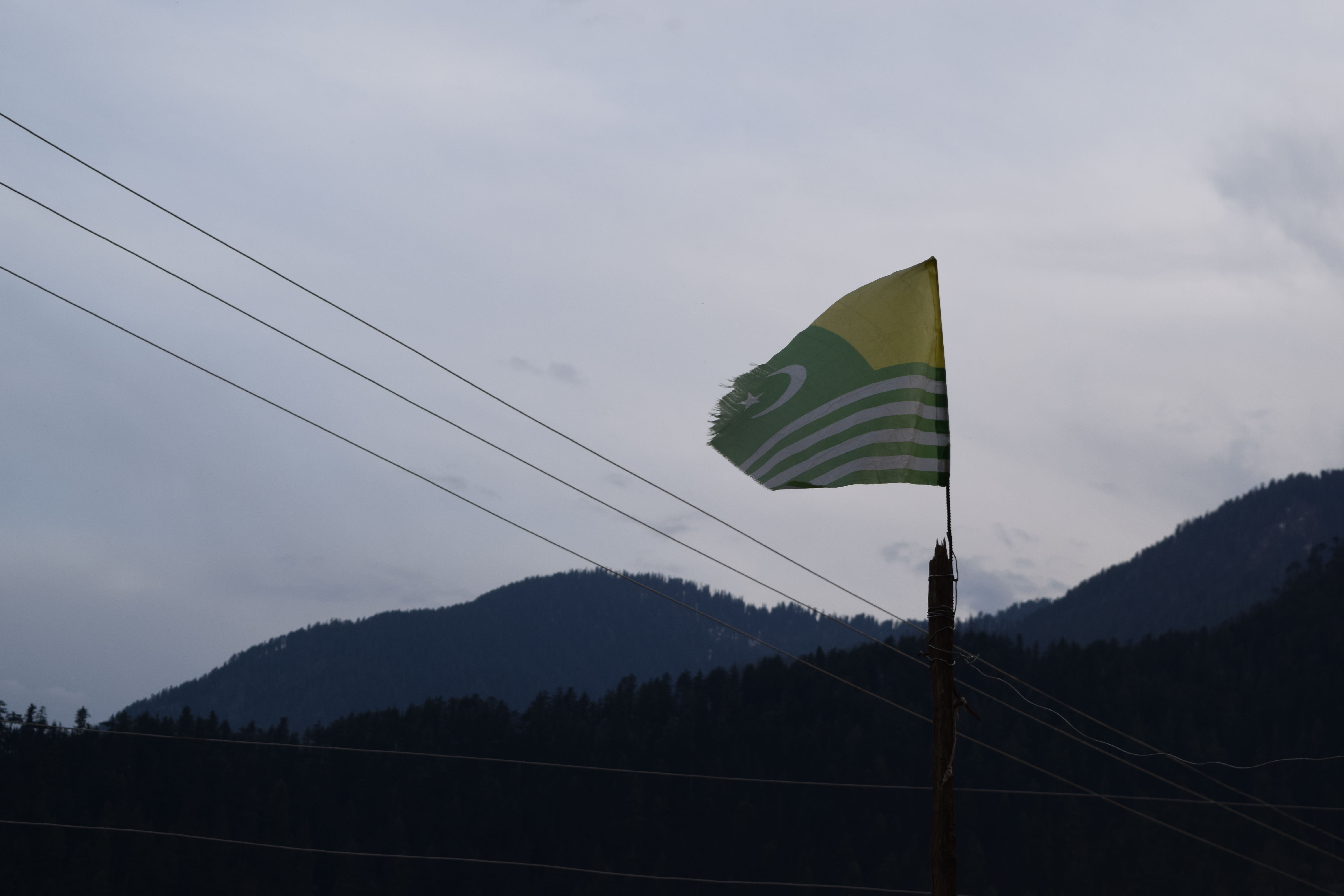
Francesca Marino argues that protests, disputed representation and communications restrictions in Pakistan-administered Kashmir have turned Islamabad's long-standing case against India back on the Pakistani state.
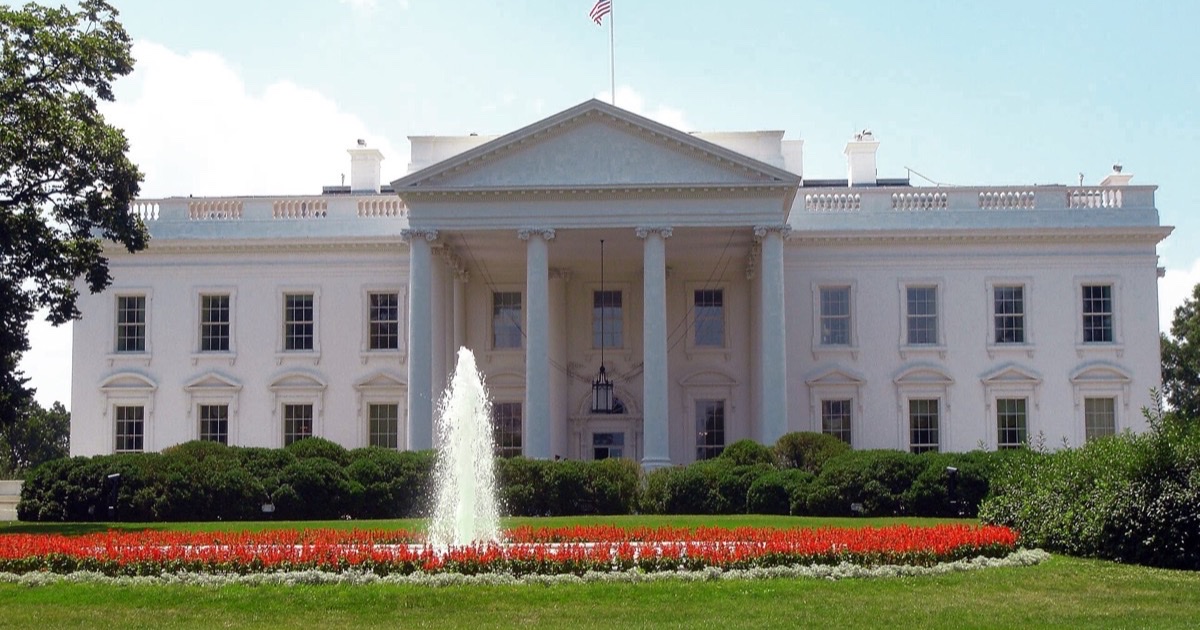
Recent AP-NORC, Reuters/Ipsos and CNN/SSRS surveys show broad opposition to the conflict, weak approval of the president's handling of Iran and growing concern about gasoline prices.
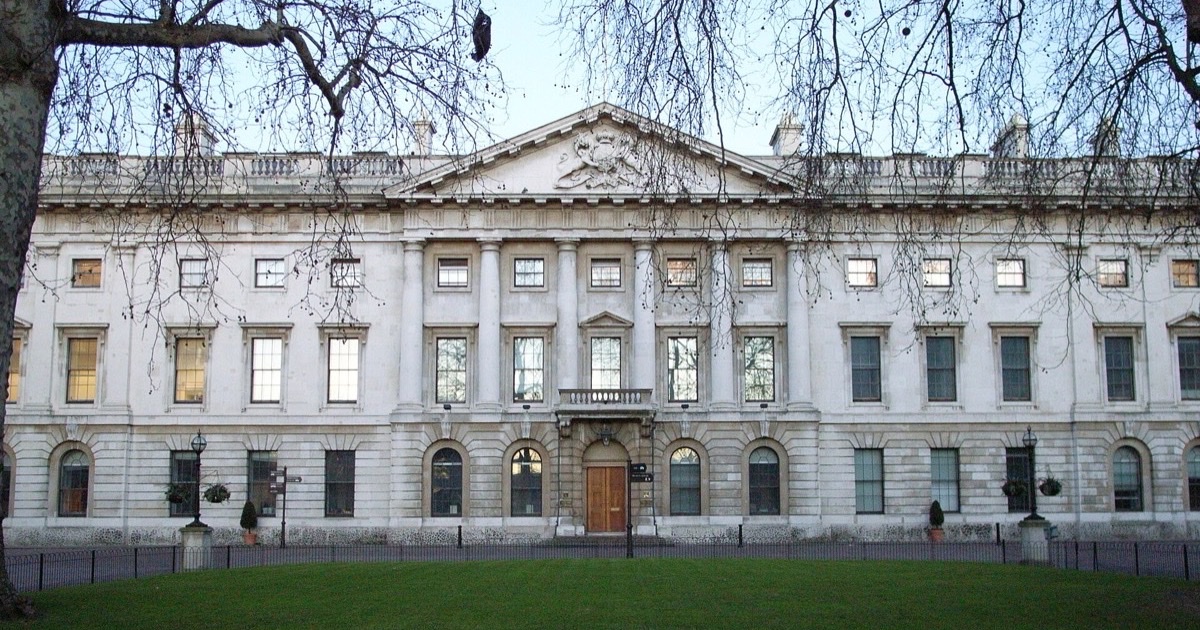
Two judges dismissed a challenge to planning permission for the proposed embassy near the Tower of London, removing a major legal obstacle while security and protest concerns persist.

They were dismissed, mocked and pushed aside. But across Asia a new generation is refusing to crawl away. They may be chaotic, angry and unpredictable — but they are proving one thing: power cannot crush what it cannot control, writes Dr Yvonne Ridley.

Fourteen-year-olds will be offered earlier access to technical education, work experience and employer links under a government plan intended to give vocational routes equal status with university preparation.
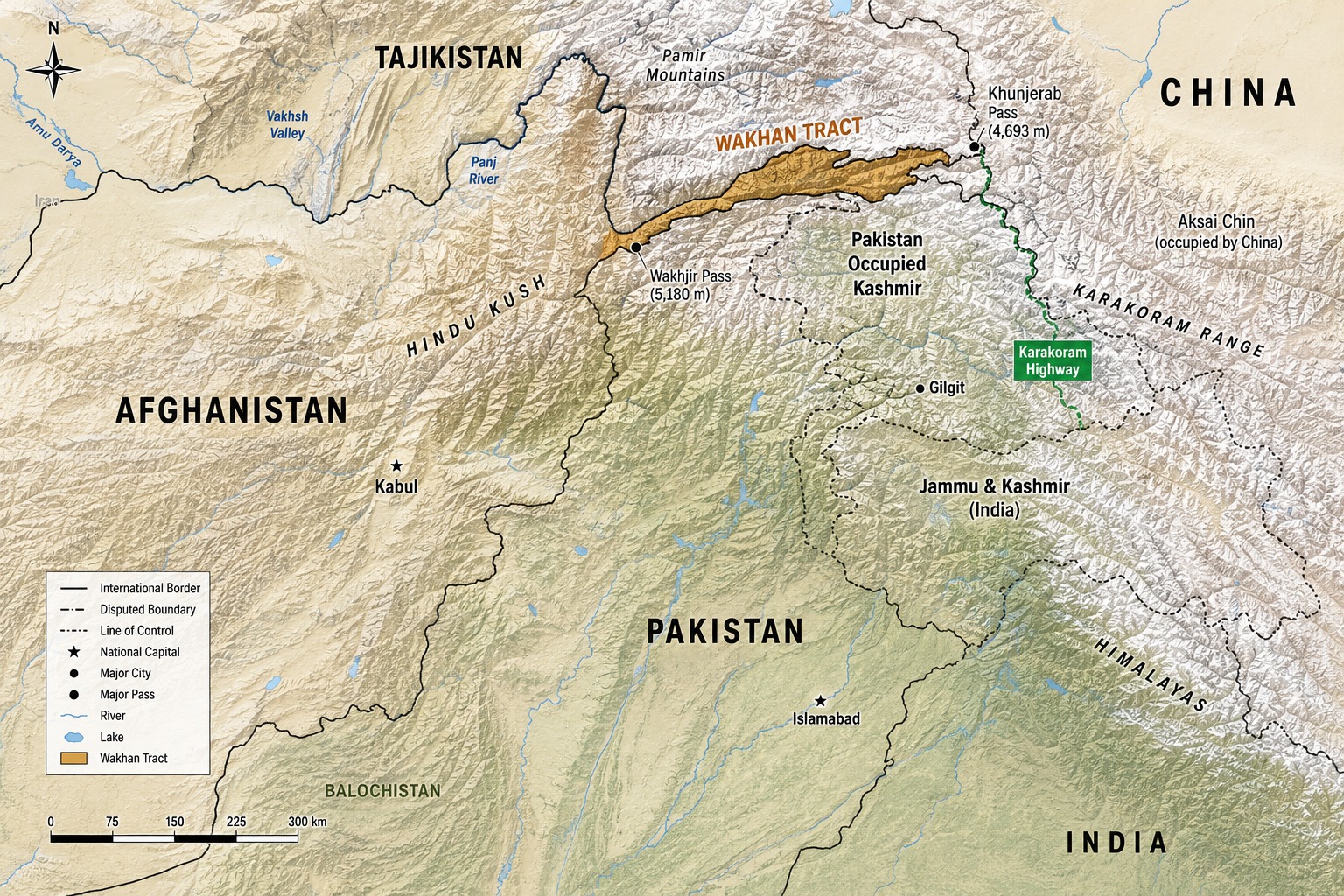
China does not need the Wakhan Corridor to replace CPEC. It may need it to reduce dependence on Pakistan and build a wider network linking Afghanistan, Iran, Central Asia and the Middle East.

Prime Minister Andy Burnham has opened a permanent northern base for Downing Street in Manchester, presenting it as the operational centre of a new drive to decentralise economic power.
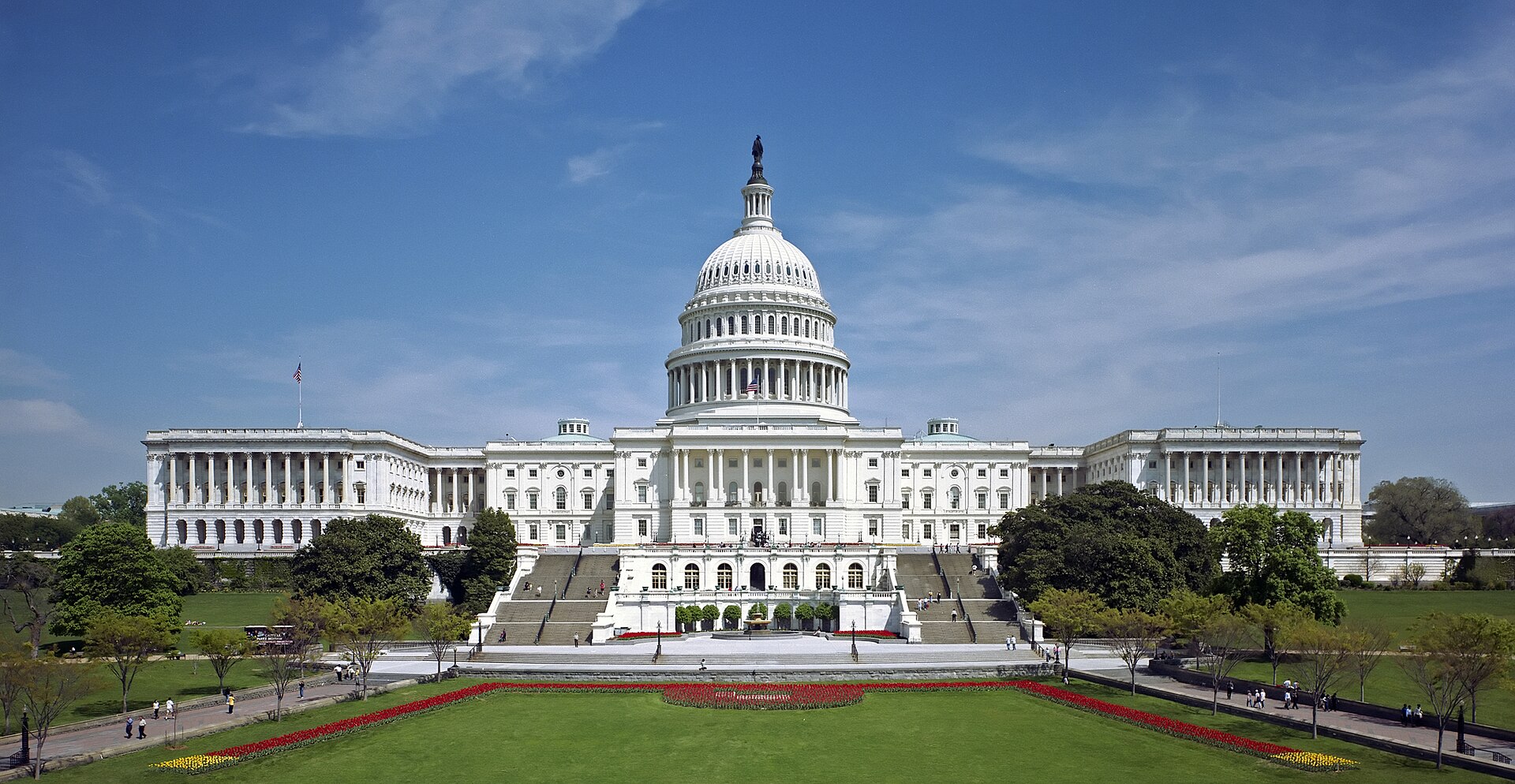
The US House has narrowly approved a resolution directing President Donald Trump to remove American forces from hostilities with Iran unless Congress authorises the campaign.
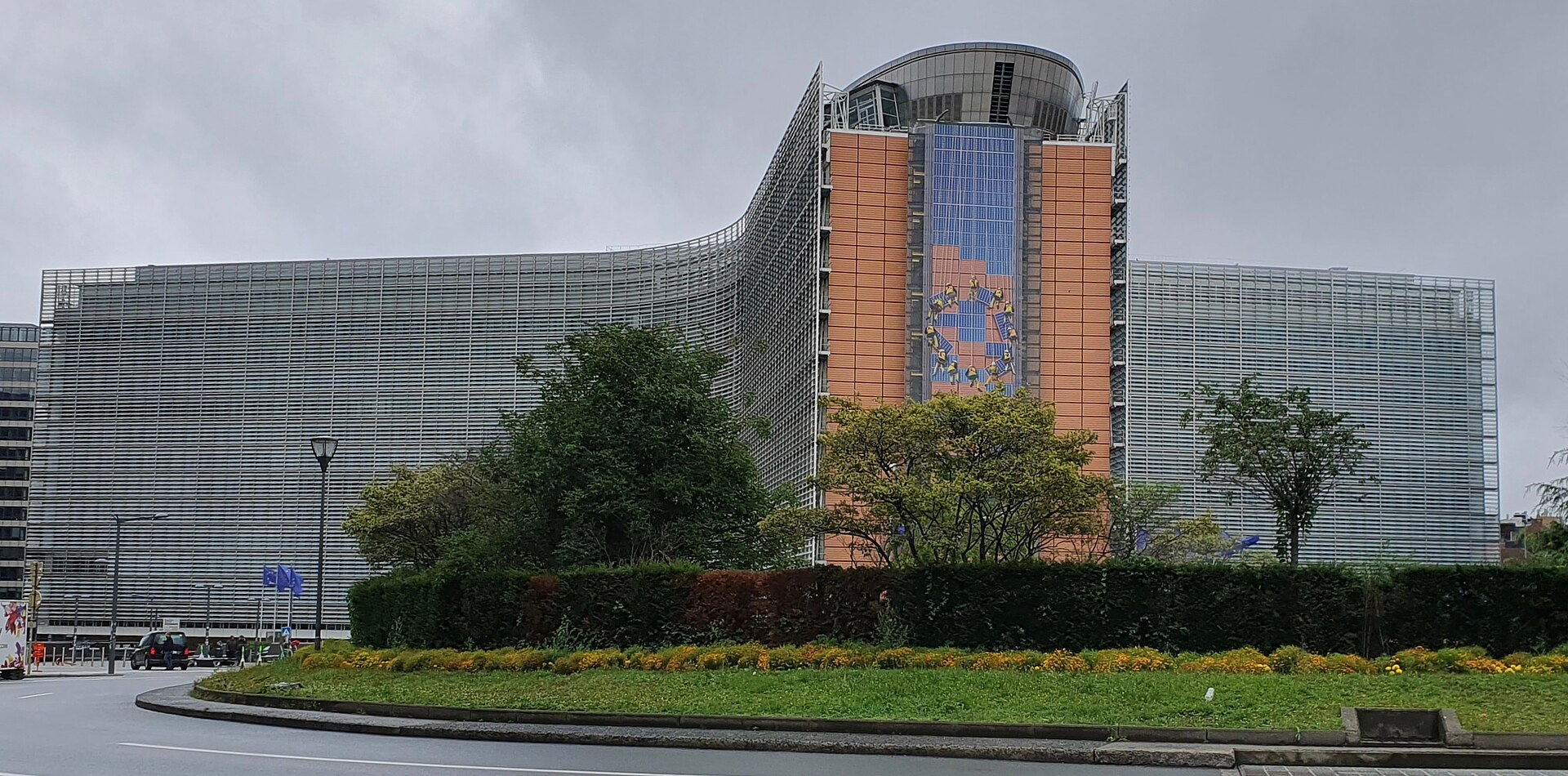
Europe must rearm, reform and rebuild the Atlantic alliance before history repeats itself.
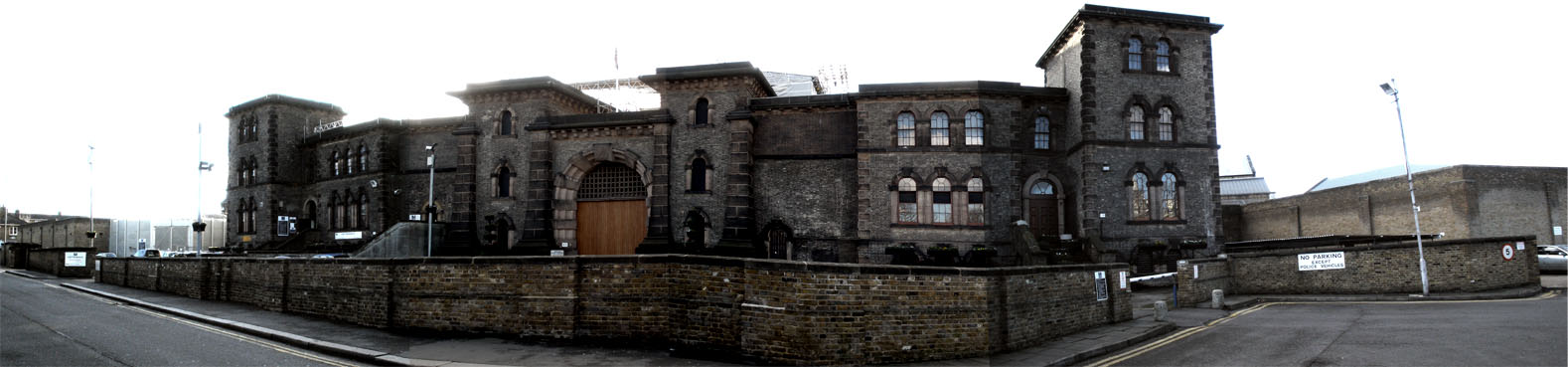
Prime Minister Andy Burnham says the government will review its early-release policy before it begins in September, after two men convicted over PC Andrew Harper's death were identified as potentially eligible.
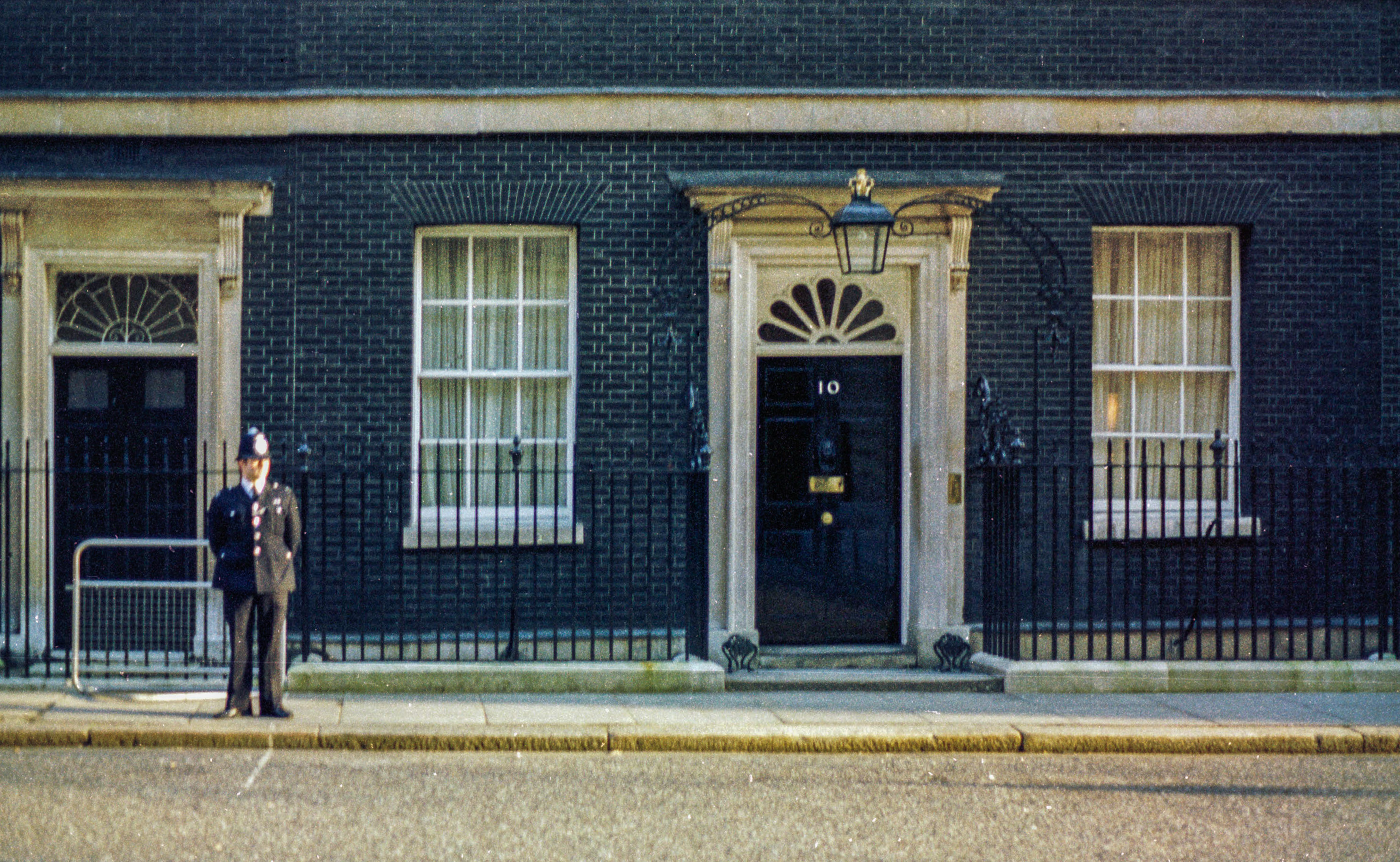
Britain’s new prime minister has promised immediate relief on household costs while replacing senior Starmer allies and putting former defence secretary John Healey in charge of the Treasury.