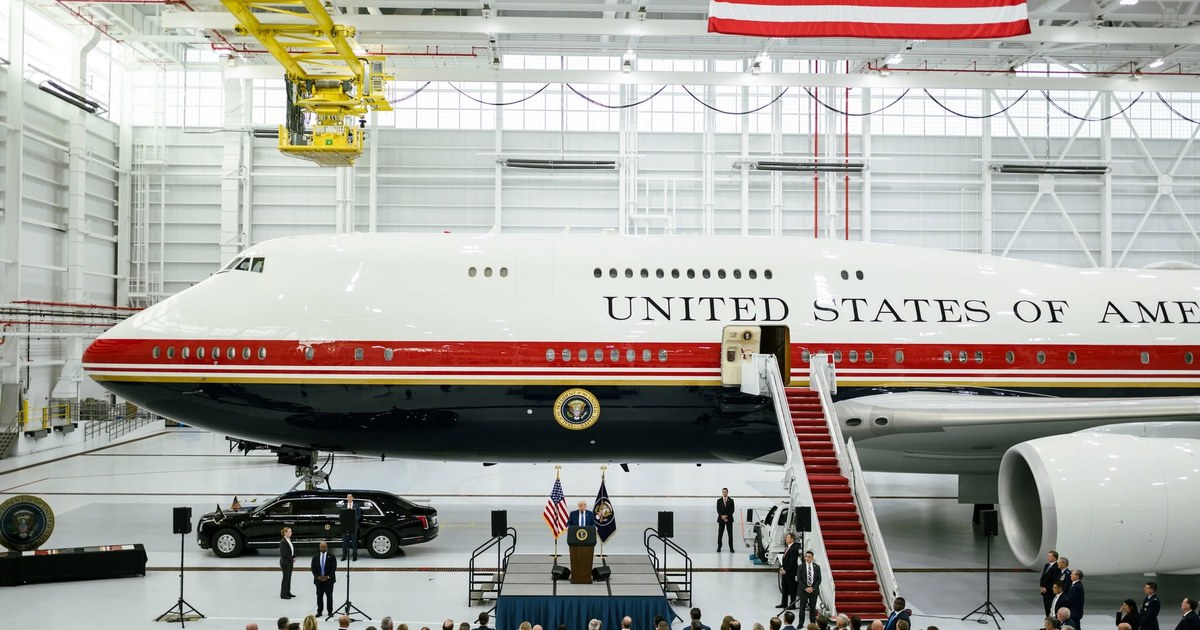
Trump confirms a security-driven aircraft switch
President Donald Trump has confirmed that the Secret Service and US military secretly moved him off the presidential aircraft in Turkey after security officials assessed a threat following the NATO summit.
The unusual operation had remained undisclosed for weeks. Trump said officials wanted him off Air Force One because of the threat, while current reporting has linked the concern to Iran.
The White House has not publicly released a detailed threat assessment, and the reported Iranian connection should therefore remain attributed rather than treated as a fully disclosed intelligence finding.
How the publicly reported operation worked
According to reporting confirmed in broad terms by Trump, the president was moved away from the main aircraft and flown on a smaller government jet while the larger presidential plane continued separately.
The transfer was concealed at the airport, and the main aircraft functioned as a decoy. White House staff, security personnel and reporters continued travelling without being told at the time that the president was no longer aboard.
Presidents have travelled covertly before, particularly on visits to war zones. What makes this case unusual is the combination of a security diversion during an official trip and the length of time the operation remained secret from the public and travelling press.
The security operation was unusual not because presidents are never moved covertly, but because the switch remained secret for weeks despite a press corps travelling with the White House.
Iran reported as the source of concern
The episode comes during a period of direct confrontation between the United States and Iran. American officials have repeatedly warned of threats against senior US figures, while the wider conflict has created new risks for presidential travel and diplomatic events.
Trump later played down the danger in public, but the fact that the Secret Service and military altered his travel suggests they considered the information serious enough to justify an extraordinary precaution.
That does not establish what capability a potential attacker had, how immediate the threat was or whether any operation was actually under way.
Security and secrecy
Presidential protection depends on secrecy at particular moments. The democratic question is what happens afterwards: when an unusual operation can be acknowledged without compromising future protective methods and how the press is kept informed when the president's location changes materially.
The episode illustrates a tension that is built into modern presidential travel. Security officials must be able to change plans quickly, while the public and markets also depend on reliable information about the status of the head of government.
For now, the confirmed fact is the aircraft switch itself. The unresolved part is the intelligence picture that prompted it and how much more the administration will eventually disclose.
Reader comments
Subscribers can join the conversationSign in to join the conversation. Comments are open to everyone with a free account.
Sign in or create accountLoading comments…