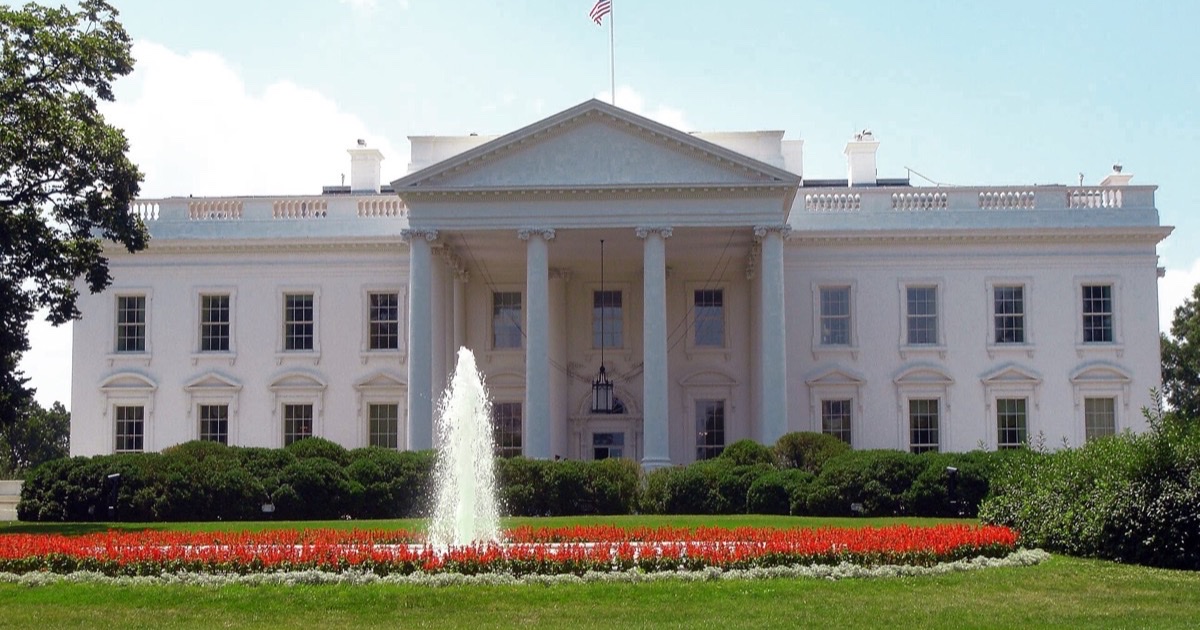
Donald Trump's overall approval rating is hovering in the mid-30s while support for his handling of the Iran war is lower still, according to several national polls released as the conflict enters a more dangerous regional phase.
The surveys use different methods and questions, so their numbers should not be treated as a single measurement. Together, however, they show a consistent pattern: most Americans are unconvinced that the war has been worthwhile, few want a prolonged military campaign and rising fuel costs are connecting foreign policy to household finances.
AP-NORC: two-thirds say the war was not worthwhile
An AP-NORC poll conducted from 23 to 27 July found that about two-thirds of US adults believed the war had not been worth fighting. Only 28% approved of Trump's handling of Iran, down from 34% in the previous month.
The decline extended into the president's own party. About 61% of Republicans approved of his handling of Iran, compared with 71% in June. Republican support remains much stronger than among Democrats or independents, but the movement suggests that the length and cost of the conflict are creating strain inside the coalition.
Only about two in 10 adults wanted military action to continue. Roughly three in 10 preferred a pause and renewed ceasefire negotiations, while another two in 10 wanted military action stopped completely. Around one-quarter said they did not know enough to decide.
Reuters/Ipsos: most reject the strikes and want clearer goals
A Reuters/Ipsos survey conducted online among 1,246 US adults found that roughly one-third supported the war or strikes, while a clear majority disapproved. The poll carried a margin of error of about three percentage points.
The survey also found that most respondents did not believe the administration had clearly explained its goals. Opposition to deploying ground troops was overwhelming. Those findings suggest that public reluctance is not limited to the performance of the campaign; it also concerns the purpose, limits and possible next stage of the war.
CNN/SSRS: overall approval at 34%
A CNN poll conducted by SSRS put Trump's overall approval at 34%. It also found 28% approval for his actions on Iran and only 25% saying the conflict had been worth the cost and American lives lost.
Three-quarters of respondents said the president was not paying enough attention to the country's most important problems. That result matters because it links foreign-policy dissatisfaction to a broader criticism of priorities and leadership rather than measuring Iran in isolation.
Gasoline turns strategy into a household issue
The political risk is intensified by energy prices. AP-NORC found that 72% considered preventing domestic oil and gas prices from rising extremely or very important. About four in 10 described the cost of fuel as a major source of stress.
CNN/SSRS found that 74% said rising gas prices had caused at least some hardship, up from 63% in March. When a conflict affects commuting, food distribution, air travel and household budgets, voters do not need to follow military details to feel its consequences.
What the polls do and do not show
The polls do not prove that the Iran war caused every point of Trump's overall decline. Voters are also judging inflation, immigration, government spending, the president's conduct and whether he is focused on domestic concerns. Survey results can also move with question wording and the immediate news cycle.
They do show that Iran has become a pronounced weakness. Approval of the president's handling of the conflict is below his overall rating, majorities want lower fuel prices and a ceasefire, and even some Republicans are becoming less supportive.
The midterm consequence
The results arrive less than 100 days before the midterm elections. Congressional Republicans must decide whether to defend the administration's strategy, demand clearer objectives or distance themselves from an unpopular conflict without alienating Trump's core supporters.
A durable ceasefire or fall in fuel prices could improve the political picture. Further casualties, new fronts or prolonged disruption could deepen it. The central public question is no longer simply whether Iran should be prevented from obtaining a nuclear weapon. It is whether the administration can explain how the war achieves that goal at a cost Americans are willing to bear.


Reader comments
Subscribers can join the conversationSign in to join the conversation. Comments are open to everyone with a free account.
Sign in or create accountLoading comments…