Crowley survives a Wisconsin upset
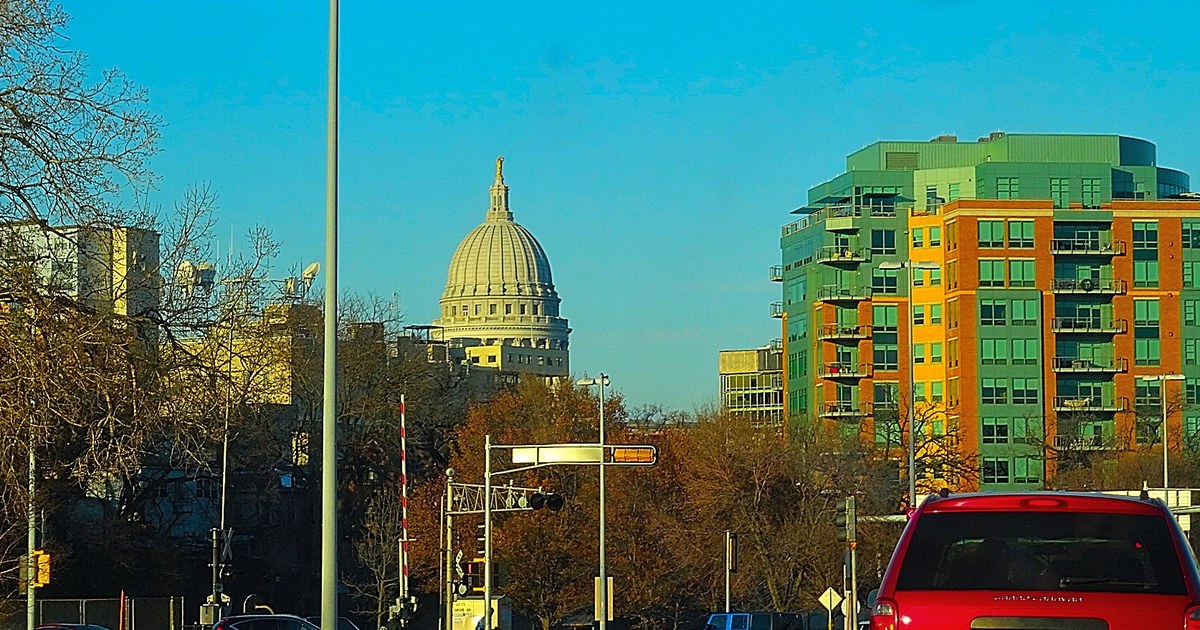
Milwaukee County Executive David Crowley has narrowly won Wisconsin's Democratic primary for governor, defeating democratic socialist state representative Francesca Hong in one of the closest and most closely watched contests of the 2026 primary season.
Current results put Crowley at about 39.8% and Hong at 39.4%, a margin of just over 3,000 votes. The result was a striking reversal after late polling had shown Hong with a substantial lead.
Crowley had re-entered the race after other candidates withdrew and received the backing of outgoing Governor Tony Evers. He now faces Republican congressman Tom Tiffany in November.
A progressive victory in Minnesota
The same night produced a very different Democratic result in Minnesota, where Lieutenant Governor Peggy Flanagan won the party's US Senate nomination over Representative Angie Craig.
Flanagan campaigned as a progressive and made immigration and economic policy central dividing lines in the primary. Her victory gives the party's left a major statewide nomination even as Hong fell short next door in Wisconsin.
Taken together, the results make a simple ideological narrative difficult. Democratic primary voters rewarded a moderate electability argument in one state and a progressive candidate in another.
The night produced no single ideological verdict: progressives won a major Senate nomination in Minnesota while losing the most closely watched Democratic governor race in Wisconsin.
Trump endorsement fails in Minnesota governor race
Minnesota Republicans also rejected a candidate backed by President Donald Trump. State House Speaker Lisa Demuth defeated Mike Lindell, the MyPillow founder and prominent Trump ally, for the party's governor nomination.
The result adds to a mixed record for presidential endorsements in lower-profile primaries. Trump remains the dominant figure in Republican politics, but an endorsement does not automatically overcome local organisation, candidate familiarity or concerns about general-election viability.
Elsewhere, primary voters continued to show appetite for generational change, including in Connecticut where former Hartford mayor Luke Bronin defeated longtime Democratic Representative John Larson.
What the results say about November
Primary elections reward highly engaged voters and do not perfectly predict a general election. Wisconsin will again be treated as a major battleground, while Minnesota's contests will test whether the coalitions assembled in party primaries can hold when independents and less frequent voters participate.
The Wisconsin result is especially important because its margin was tiny. Crowley won the nomination, but nearly as many Democratic voters preferred Hong's more left-wing programme.
The clearest lesson from Tuesday is therefore fragmentation rather than ideological uniformity. Voters across the states made different choices about moderation, progressivism, age and Trump-aligned politics — and both parties now have to turn those separate decisions into broader November coalitions.
Reader comments
Subscribers can join the conversationSign in to join the conversation. Comments are open to everyone with a free account.
Sign in or create accountLoading comments…