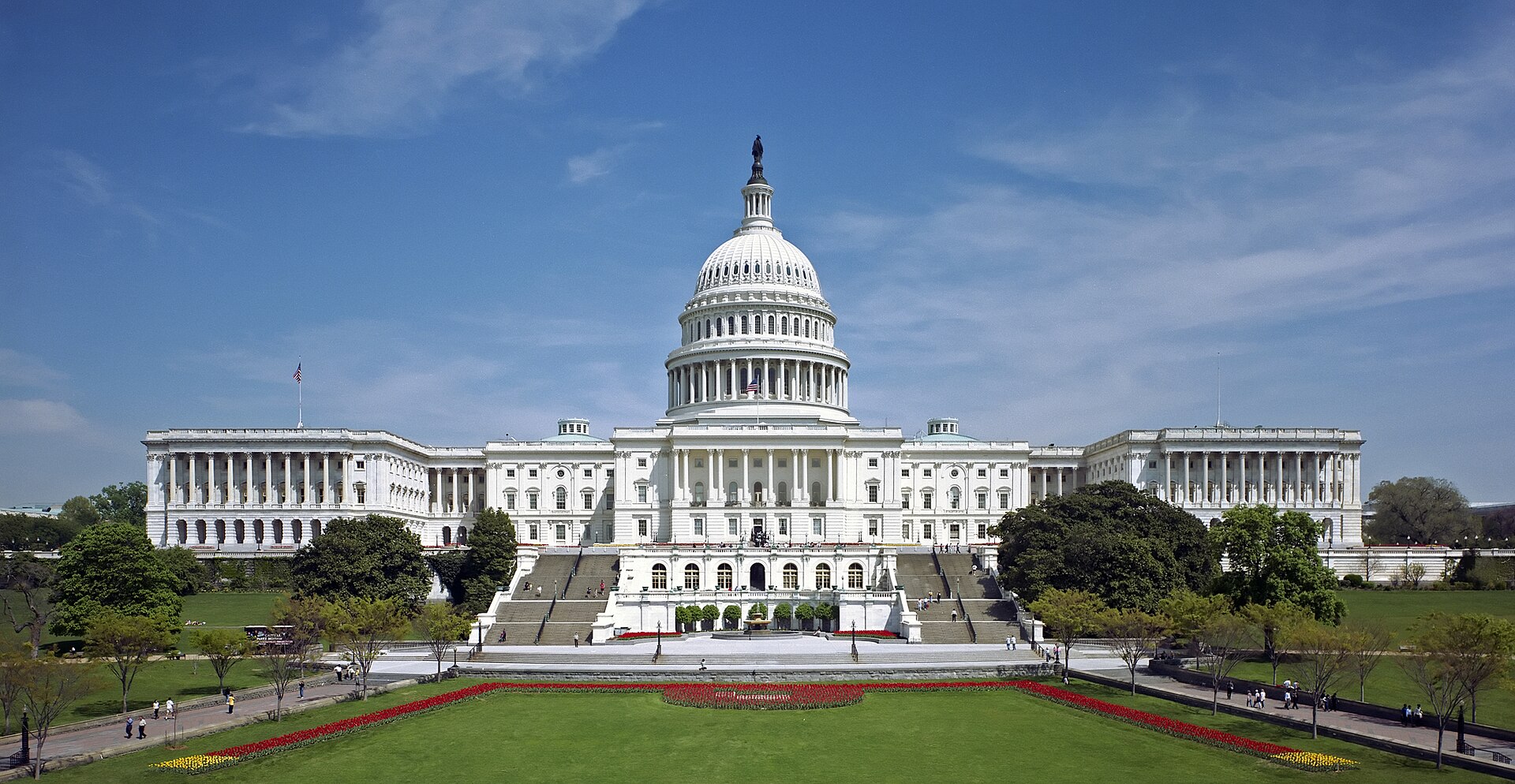
The US House of Representatives has narrowly approved a resolution directing President Donald Trump to remove American forces from hostilities with Iran unless Congress gives explicit authorisation for the campaign.
The measure passed by 214 votes to 208. All 210 Democrats who voted supported it, joined by four Republicans. The official House roll call recorded nine members as not voting.
The vote marked the second major effort by lawmakers to challenge the administration’s use of military force against Iran. It came as American strikes continued and public concern grew over the conflict’s duration, cost and stated objectives.
The resolution invokes the War Powers framework and seeks to reassert Congress’s constitutional role in decisions involving prolonged hostilities. It allows for the continued use of forces necessary to defend the United States or its allies from imminent attack, but rejects an open-ended campaign without a declaration of war or specific authorisation.
A political warning, not an immediate end to the war
The House vote does not immediately compel the withdrawal of US forces. A similar measure has struggled in the Senate, and the administration disputes attempts to restrict the president’s authority as commander in chief.
Its importance is therefore primarily political. The result shows that concern over the Iran conflict is no longer confined entirely to Democrats. The four Republican defections were enough to deliver a narrow House majority and expose a visible break inside the president’s party.
Supporters of the resolution argued that Congress should not allow military action to expand without a clear public strategy, defined end state or formal vote. Opponents said the measure could weaken the president while US forces and allied shipping remain under threat.
War fatigue reaches Congress
The debate has intensified as the conflict has affected global oil prices and shipping through the Strait of Hormuz and the Red Sea. Rising energy costs have given the war a direct domestic economic dimension ahead of the US midterm elections.
President Trump has defended the strikes as necessary to protect shipping, US personnel and regional partners. Critics argue that the campaign has continued to widen while the administration has provided no convincing timetable for ending it.
The House vote also revived a long-running constitutional dispute. Presidents of both parties have relied on broad interpretations of executive power to conduct military operations without declarations of war, while Congress has often struggled to enforce the limits it claims.
Even if the resolution does not become binding, the margin matters. It shows that the political coalition supporting the war is under pressure and that future votes on funding, authorisation and military objectives may become increasingly difficult for the White House.
As strikes continue, the central question in Washington is shifting from whether the United States should respond to threats from Iran to how long the president can continue the conflict without a clear mandate from Congress.


Reader comments
Subscribers can join the conversationSign in to join the conversation. Comments are open to everyone with a free account.
Sign in or create accountLoading comments…