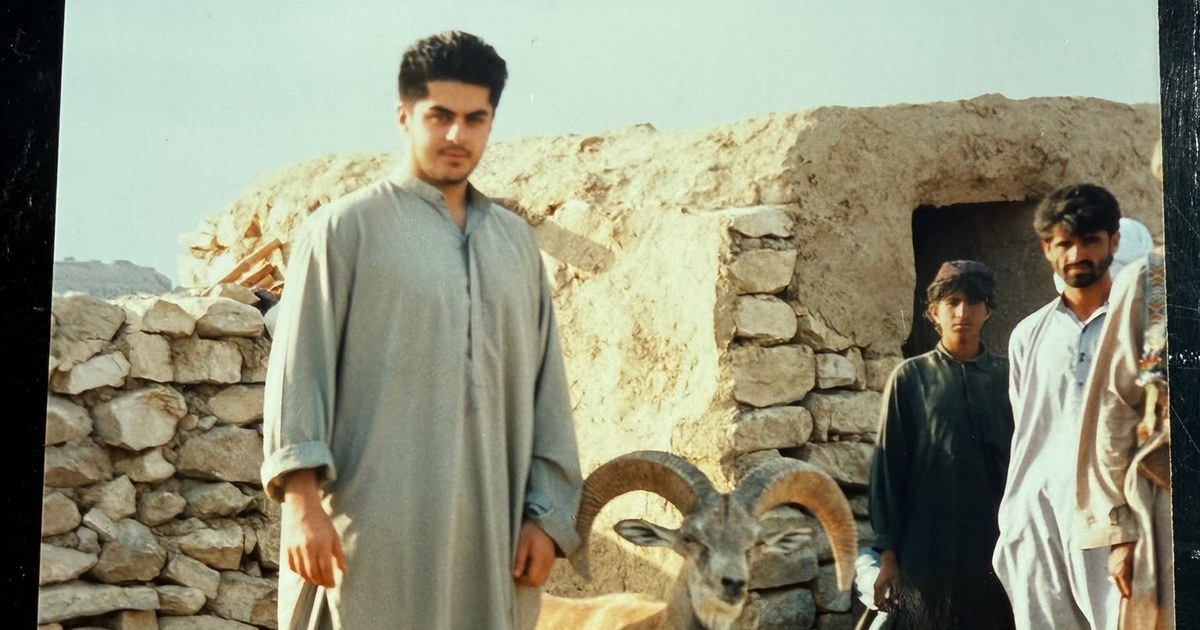
There are lives that do not simply unfold — they endure. Lives that do not merely pass through history — they hold it, protect it, and refuse to let it be erased. The life of Mehran Marri Baloch is one such life.
He was born in Quetta, in the heart of Balochistan — a land of mountains that rise like ancient guardians, deserts that breathe with the memory of centuries, and a people whose history has been written in resistance. But before he could learn the shape of its hills or the rhythm of its winds, history intervened. Political upheaval forced his family into exile, carrying him away from the soil that had barely touched his feet.
He left Balochistan as a child. But Balochistan never left him.
A Childhood Torn From Homeland, Yet Bound to It Forever
Exile is a strange inheritance. It gives a child a homeland he cannot touch, a memory he did not live, and a responsibility he did not choose — yet must carry.
Mehran grew up with Balochistan not as a place, but as a presence. It lived in the stories told by elders, in the grief that lingered in the eyes of those who remembered home, and in the quiet determination of a family that refused to let history silence them.
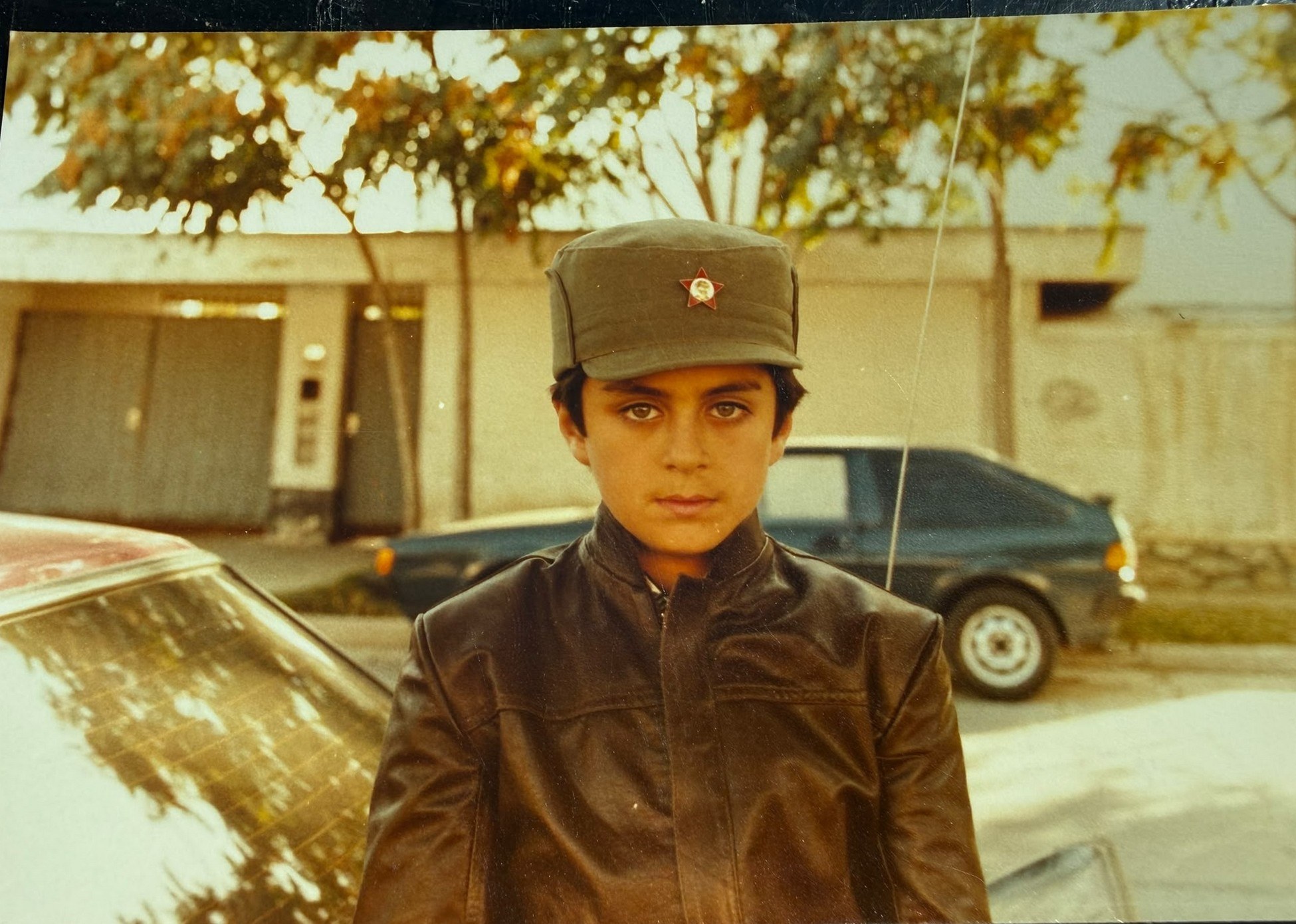
He learned early that some people inherit land, but others inherit struggle. He inherited both — one taken from him, the other placed upon him.
The Shadow and Light of Nawab Khair Bakhsh Marri
As the youngest son of Nawab Khair Bakhsh Marri, Mehran grew up in the orbit of a man whose ideas shaped the political consciousness of an entire nation. But living in the shadow of a giant is not easy. It demands clarity, courage, and the ability to find one’s own voice without losing the legacy one carries.
Mehran did not become an echo. He became a continuation — a new chapter in a long story.
He absorbed the intellectual discipline of his father, the philosophical depth of Baloch nationalism, and the moral weight of a people’s unfulfilled destiny. But he also carved out his own path, shaped by exile, sharpened by observation, and strengthened by the solitude that only displacement can create.
Exile: The Long Road That Shapes a Soul
Exile is not a place. It is a condition — a wound that does not close, a distance that does not shrink, a silence that does not fade.
Mehran lived through all of it.
He learned that borders can imprison the body but not the cause. He learned that distance can silence the voice but not the conviction. He learned that homeland is not only geography — it is memory, identity, and an ache that becomes purpose.
The hardships of exile did not weaken him. They refined him.
They turned him into a man who understood that freedom is not merely a political demand — it is a spiritual necessity.
A Pen That Carries Mountains, Wounds, and Dreams
Mehran Marri writes with the weight of history and the intimacy of lived experience. His words carry:
- the dust of Baloch deserts,
- the silence of abandoned villages,
- the grief of forgotten martyrs,
- the dreams of a people who refuse to disappear.
He writes not to decorate history, but to defend it. Not to record events, but to rescue memory. Not to analyze politics, but to confront the forces that have shaped — and misshaped — the destiny of Balochistan.
For him, writing is not a profession. It is a duty. A way of keeping alive what exile tries to dim and what power tries to erase.
A Life That Became a Symbol
In the larger story of Balochistan, Mehran Marri is more than an individual. He is a symbol — of endurance, of loyalty, of the unbroken thread that connects a people to their land even when they are forced far from it.
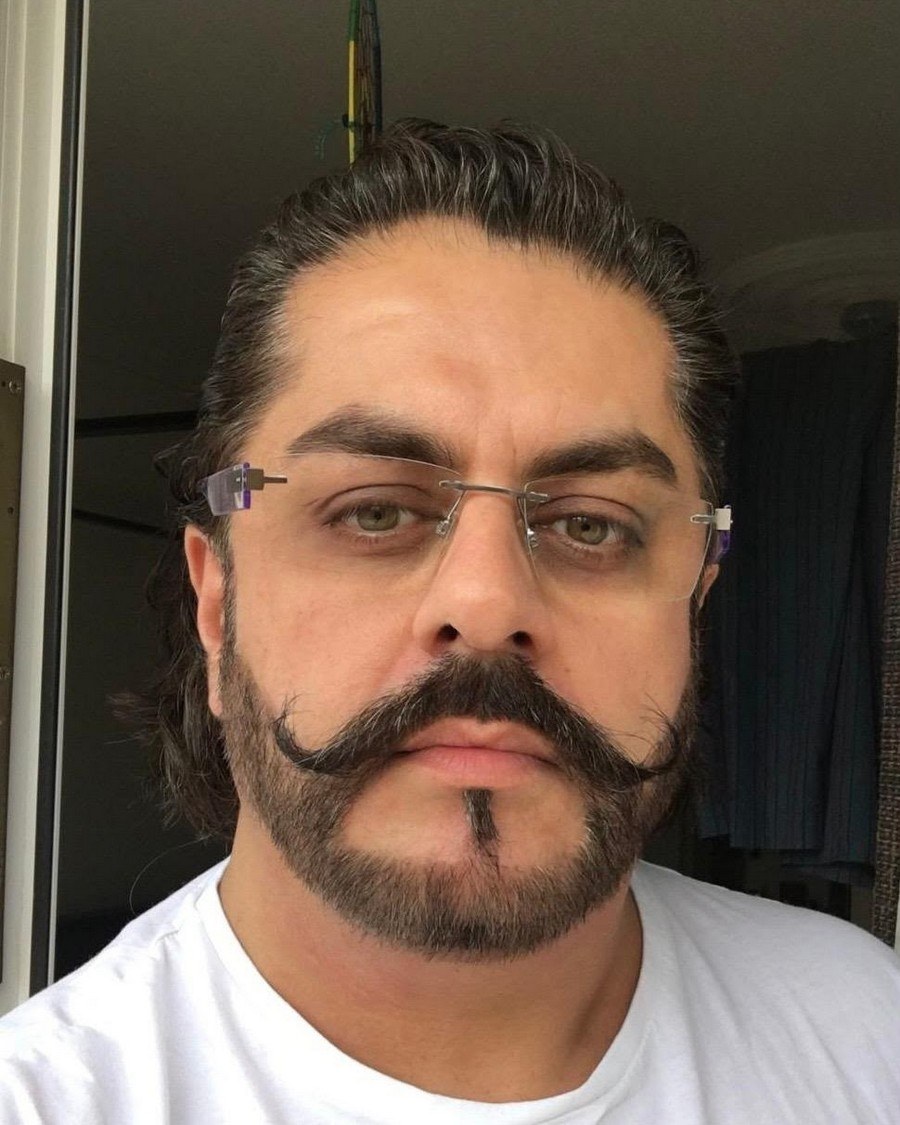
He represents:
- a child taken from homeland,
- a man who carried homeland within him,
- a writer who preserved homeland in words,
- and a political thinker who kept alive the flame of national freedom.
His life is proof that exile can break the body but strengthen the cause. That distance can silence the voice but deepen the conviction. That homeland can be taken away, yet remain more present than ever.
A Tribute to a Son of Balochistan
In the end, the story of Mehran Marri Baloch is not simply the story of a political figure. It is the story of a man who lived the burden of exile with dignity, who carried the memory of his homeland across continents, and who remained loyal to the struggle he inherited.
It is the story of someone who endured separation yet refused to surrender. Someone who turned exile into insight, memory into resistance, and pain into purpose. Someone who kept alive the possibility of a different future for Balochistan — even when he himself could not return to its soil.
His life stands as a tribute to endurance, commitment, and the unyielding belief that freedom — no matter how distant — remains worth the struggle.
He is a son of Quetta, a witness of exile, a keeper of memory, and a voice that continues to carry Balochistan across borders and years.

Reader comments
Subscribers can join the conversationSign in to join the conversation. Comments are open to everyone with a free account.
Sign in or create accountLoading comments…