Cobra meets as heat becomes a national response
The government has escalated its response to extreme heat, with Prime Minister Andy Burnham chairing an emergency Cobra meeting as temperatures approached 38C and wildfire risk intensified across parts of the country.
The meeting brought together ministers and agencies responsible for health, weather, fire, water and infrastructure. It comes as a prolonged summer of high temperatures has pushed heat from a forecasting issue into a wider test of how public services operate during increasingly severe hot-weather episodes.
The Met Office has issued an amber extreme-heat warning for large parts of England. The immediate risks include heat illness, pressure on hospitals and care services, transport disruption and fires in dry vegetation.
Disposable barbecues move into the policy debate
Burnham said the government would consider tighter restrictions on disposable barbecues, which fire services and land managers have repeatedly identified as an ignition risk during dry conditions.
No national ban had been announced at the time of preparation. The significance of the proposal is that ministers are now looking beyond emergency messaging towards rules that could reduce preventable fire risk before the next period of extreme heat.
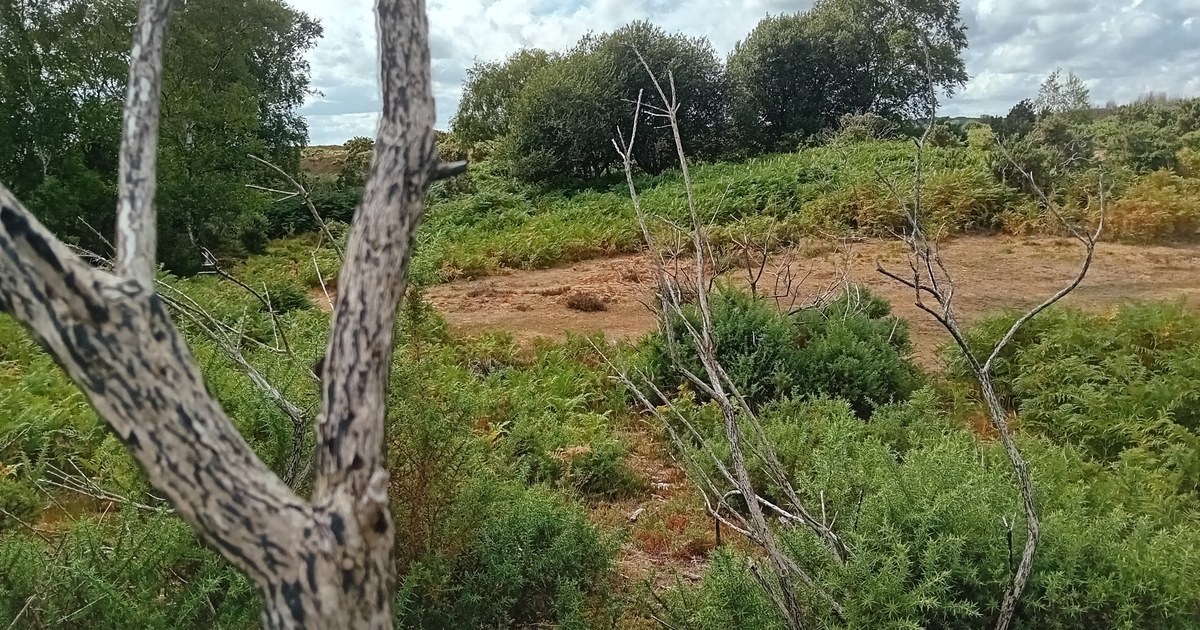
Local authorities and land managers already use restrictions in high-risk areas, including the New Forest. Any national measure would have to define where and when disposable barbecues could be sold or used and how the rules would be enforced.
Extreme heat is moving from an exceptional-weather problem into the routine planning of health, fire and infrastructure services.
NHS told to plan for summer like winter
Health Secretary Yvette Cooper said the NHS should prepare for regular summer heatwaves in the same way that it plans for winter pressures. She cited nearly 2,800 heat-related deaths in May and June as evidence that hot weather can no longer be treated as a short-lived inconvenience.
The comparison with winter planning matters because it implies permanent seasonal preparation: staffing, hospital capacity, care-home guidance, public-health alerts and contingency plans for vulnerable patients would all need to account for prolonged heat.
Older people, those with heart or respiratory conditions, people living alone and workers exposed outdoors are among those at higher risk during extreme temperatures.
Wildfire and drought pressure
Fire crews are also confronting a landscape made more combustible by prolonged dry weather. The New Forest has been among the locations drawing concern, while other incidents around the country have stretched local fire services and renewed arguments about equipment and staffing.
The current emergency will eventually pass, but the policy question is becoming harder to avoid. If summers regularly produce dangerous heat, drought and wildfire conditions, Britain will need systems designed around recurrence rather than improvisation.

Reader comments
Subscribers can join the conversationSign in to join the conversation. Comments are open to everyone with a free account.
Sign in or create accountLoading comments…