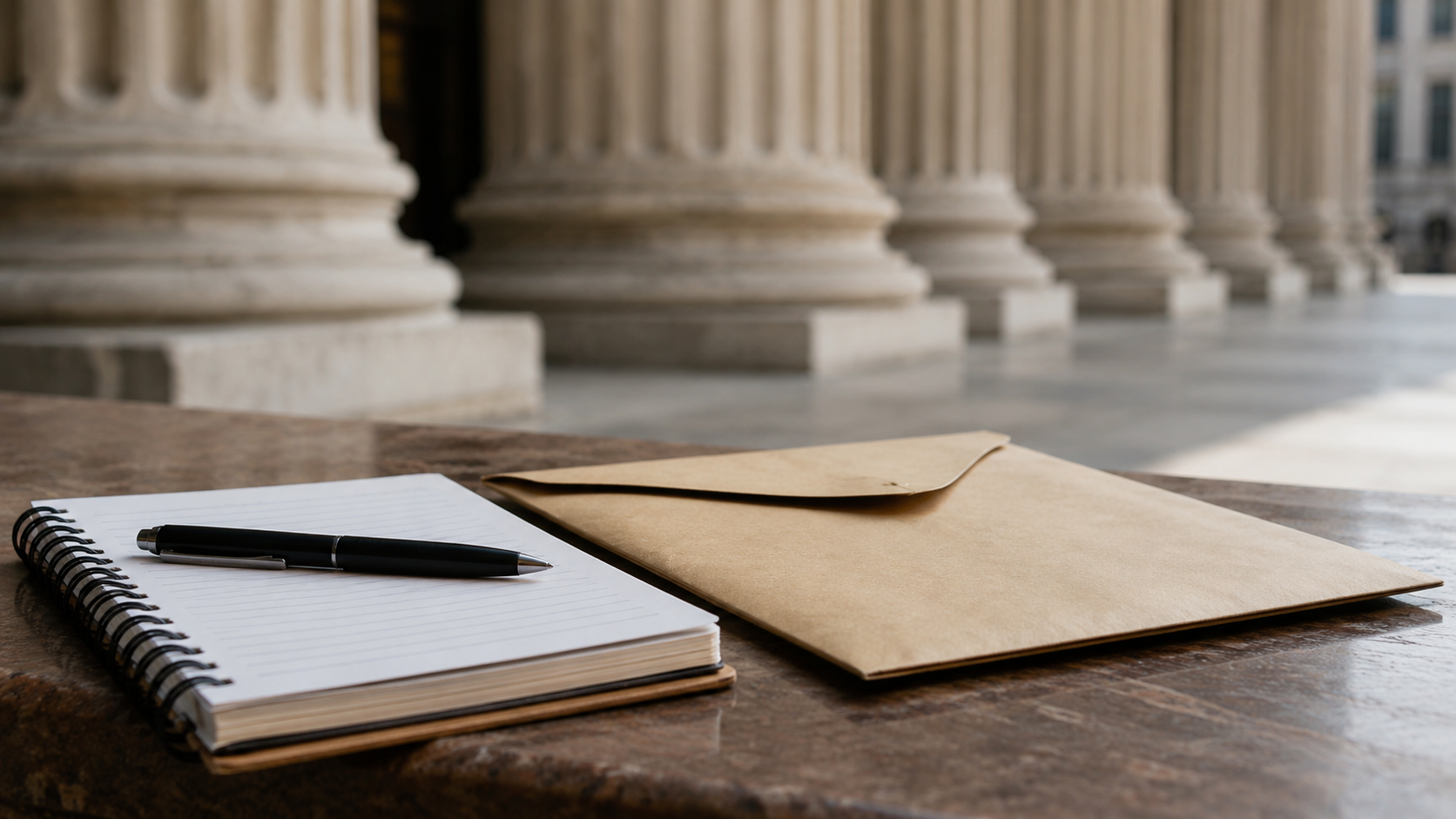
The US Supreme Court has declined to halt an $800-a-day fine against journalist Catherine Herridge, leaving in place a contempt sanction tied to her refusal to identify a confidential source.
The case stems from reporting Herridge did in 2017 about Yanping Chen, a Chinese American scientist who was investigated by the FBI but not charged. Chen later sued the federal government under the Privacy Act, arguing that leaked information harmed her. Courts ordered Herridge to disclose the source, finding the information central to Chen's claim.
The Supreme Court's order does not decide the full constitutional or statutory scope of reporter privilege. It denies emergency relief, allowing the lower-court order and fine to stand. Justice Brett Kavanaugh would have granted the stay, according to reports on the order.
Press freedom organisations have long warned that forcing reporters to identify confidential sources can chill investigative journalism, especially when stories involve government conduct. Chen's lawyers argue that identifying the leaker is necessary to prove whether the government unlawfully disclosed private information.
The ruling is likely to renew calls for a federal shield law. Many states have protections for reporters, but there is no comprehensive federal statute giving journalists a uniform privilege against compelled source disclosure in civil and criminal proceedings.
Reader comments
Subscribers can join the conversationSign in to join the conversation. Comments are open to everyone with a free account.
Sign in or create accountLoading comments…