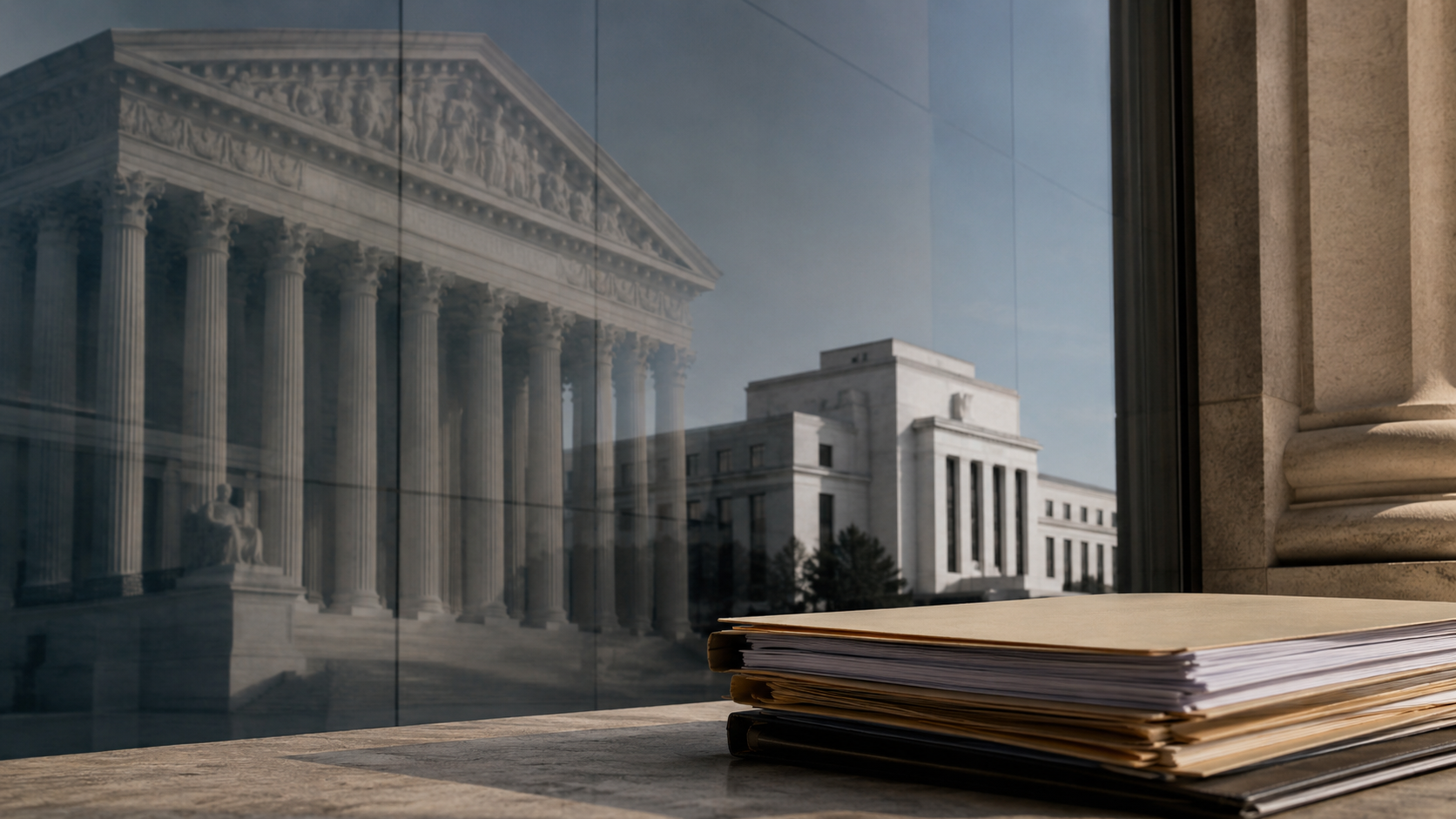
The U.S. Supreme Court allowed Federal Reserve governor Lisa Cook to remain in office while she continues to challenge President Donald Trump's attempt to remove her, preserving the central bank's independence in the immediate term while expanding presidential control over other independent agencies.
The June 29 decision in Trump v. Cook concerned an application for a stay after lower courts prevented Cook's removal. Chief Justice John Roberts wrote for the court that Cook's injunction should remain in place during the litigation. The opinion emphasized the Federal Reserve's distinctive role and history, including the Board of Governors' 14-year terms and statutory removal protection.
The case began after Trump attempted in August 2025 to fire Cook over allegations that she may have made false statements on mortgage agreements. Cook has denied wrongdoing and sued, arguing that the attempted removal violated legal protections attached to her office.
The court did not produce a simple ideological alignment. Justice Kavanaugh wrote separately in concurrence, and Justice Jackson also concurred. Justices Thomas, Alito, Gorsuch and Barrett dissented in separate opinions or joined dissents. The result means Cook keeps her post for now, but the underlying litigation is not finished.
The decision matters beyond one seat on the Fed. In related reasoning reported by AP, the court moved away from older limits on presidential removal power for some independent agencies. That shift could affect bodies such as the Federal Trade Commission, National Labor Relations Board and other agencies designed to operate at some distance from the White House.
The Fed is different because of its monetary role. Investors, economists and foreign governments watch central-bank independence closely because political pressure over interest rates can affect inflation expectations, bond markets and confidence in the dollar. The court's refusal to allow Cook's immediate ouster reduces the risk of a sudden change in the Fed's voting balance, but it does not end the broader fight over executive power.
For now, the practical takeaway is narrow and important: Cook remains a Federal Reserve governor while the litigation proceeds. The bigger constitutional question over the outer limits of presidential removal power remains alive, and the court's final-week rulings suggest that the boundaries of independent government are still being redrawn.


Reader comments
Subscribers can join the conversationSign in to join the conversation. Comments are open to everyone with a free account.
Sign in or create accountLoading comments…