
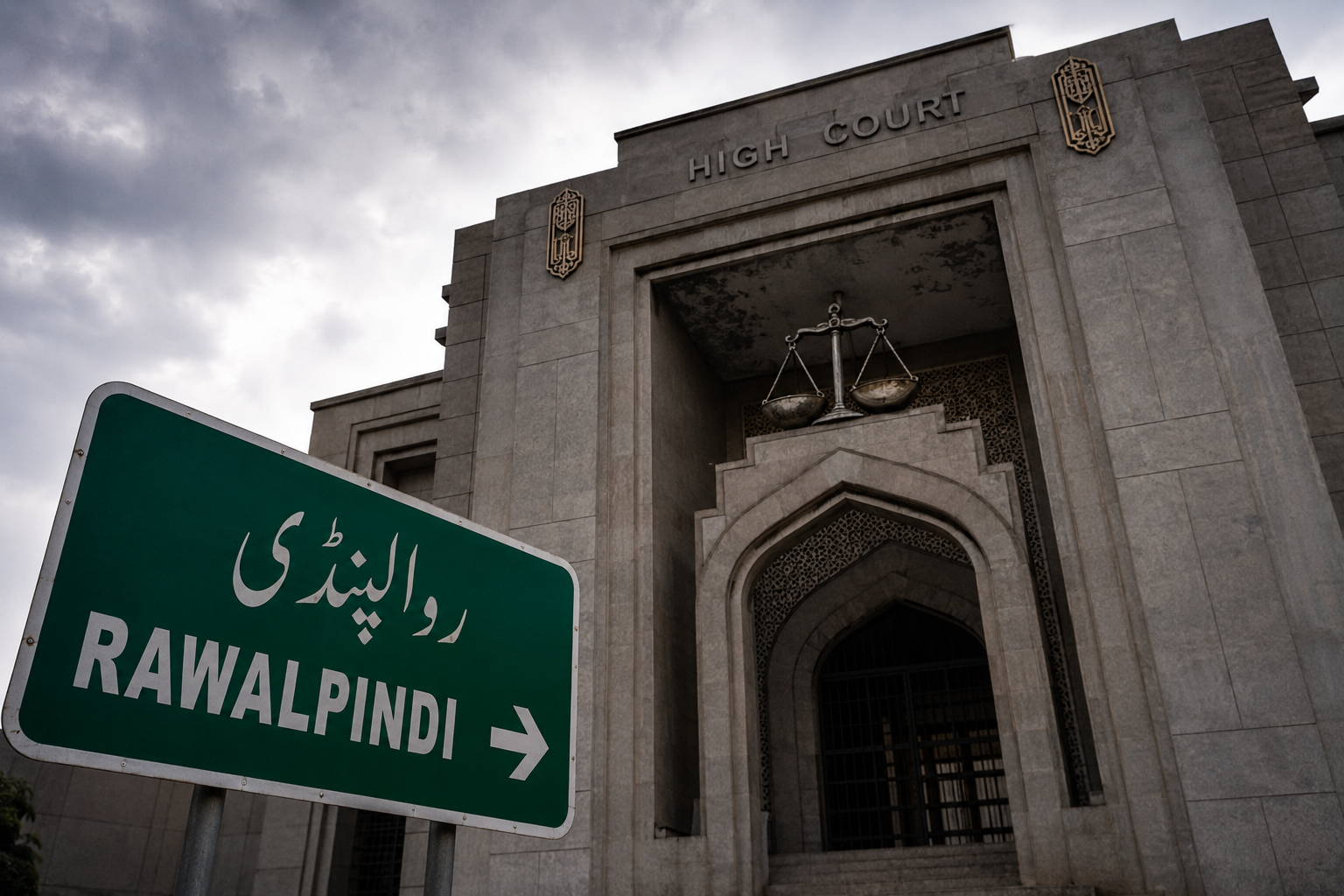
Honest, independent journalism requires looking past the curated theatre of state press releases to observe the actual, grinding mechanics of institutional power.
At Parrhesia News, the commitment to unvarnished truth means pointing out exactly when a state’s domestic paranoia begins to completely derail its international ambitions. Today, the state of Pakistan presents a glaring paradox to the world: a nation exhibiting brilliant geopolitical dexterity abroad, whilst simultaneously executing a clumsy, self-defeating drama at home.
Pakistan is currently carving out an increasingly sophisticated role on the global stage. The nation is actively positioning itself as a pivotal diplomatic bridge, deftly managing complex, high-stakes negotiations between Washington and Tehran.
In doing so, Islamabad is rapidly stealing the diplomatic mantle from Qatar, a nation that has long held the crown as the region’s premier neutral intermediary. This demonstrates a serious, sophisticated "can-do" attitude from a country possessing immense potential, massive resources, and a resilient, highly capable population.
The state apparatus has shown it no longer requires the explicit approval of the United States to chart its own course, engaging with regional powers on its own terms.
This sovereign economic confidence is underscored by tangible regional integration. Driven by recent instructions from the Prime Minister’s Office to finalise comprehensive currency swap agreements with Iran and Russia, Islamabad is moving aggressively to diminish its historic dependency on the US dollar.
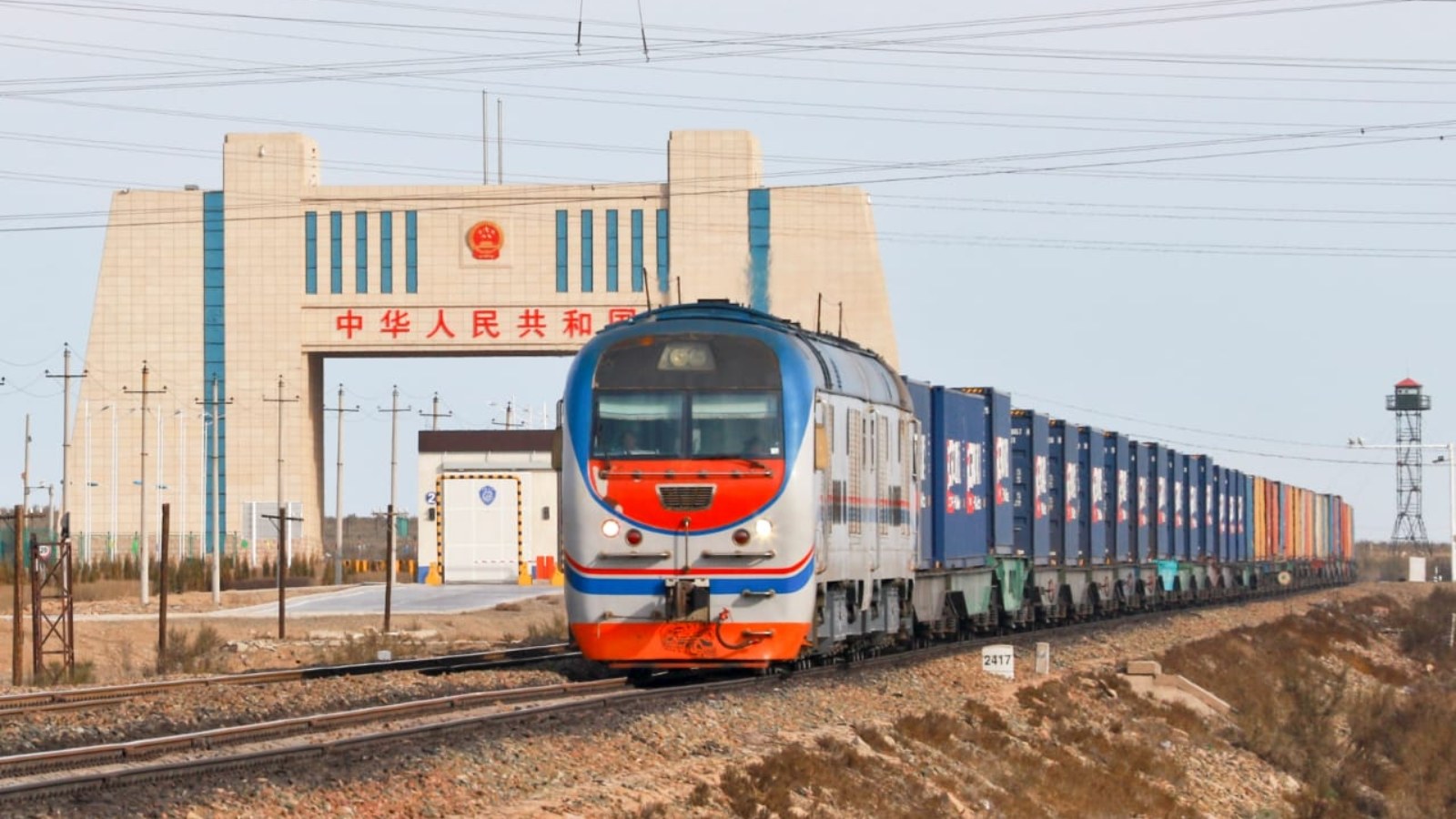
Under the landmark Transit of Goods through Territory of Pakistan Order 2026, the state has operationalised six critical overland road corridors. These arteries bypass maritime blockades in the Strait of Hormuz, directly linking major Pakistani shipping ports—Karachi, Port Qasim, and the Chinese-backed Gwadar deep-water hub—to the Iranian border crossings at Gabd and Taftan.
By providing a vital logistical lifeline for third-country cargo rerouting through Balochistan, and pushing ahead with a Free Trade Agreement aimed at escalating bilateral trade to $10 billion, Pakistan is functioning as an indispensable macroeconomic gateway for Eurasia.
Yet, this impressive geopolitical ascent makes the domestic situation all the more baffling. If Islamabad wishes to be taken seriously as a mature, world-class diplomatic powerhouse, its treatment of its most prominent political figure is a massive, self-inflicted wound. Keeping Imran Khan locked away in Adiala Jail—much like an embarrassing, mad aunt hidden away in the attic—is a severe stain on the national character and a spectacular own goal.
The strategy deployed against Khan relied on a rapid succession of lower-court convictions designed to overwhelm his legal team and exhaust public momentum. He has faced a barrage of over 180 charges, ranging from the absurd to the outright vindictive. Yet, whenever these cases finally escape the pressure cooker of the lower courts and reach independent judicial scrutiny, the state’s arguments tend to completely evaporate.
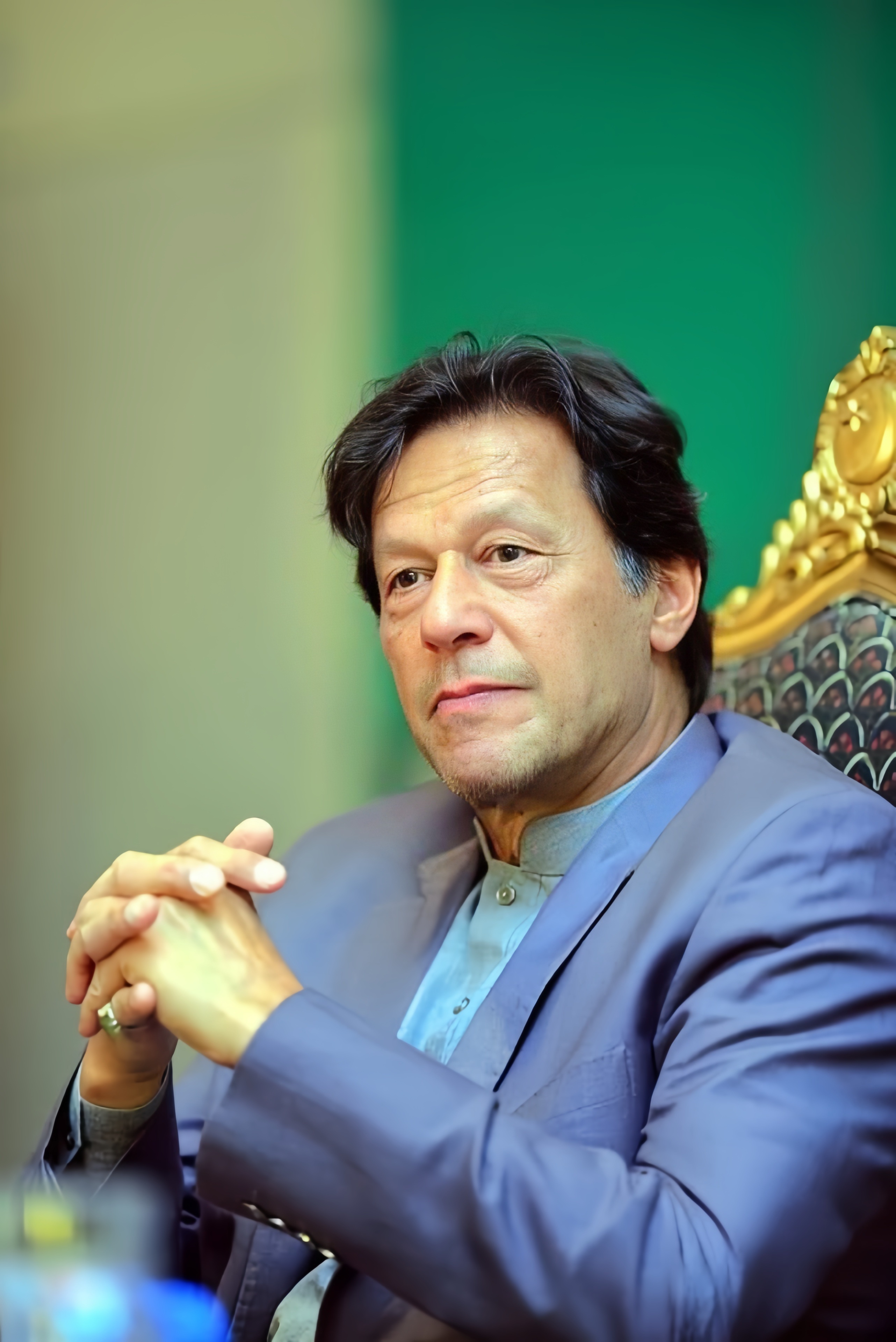
Consider the grand narrative of treason via the State Secrets (Cipher) case, where a lower court rushed to sentence Khan to a decade in prison for allegedly leaking a classified diplomatic cable.
Upon appeal, the Islamabad High Court completely dismantled the conviction, exposing the flimsiness of the state's national security panic.
Consider also the state's brief, bizarre foray into regulating the private timeline of his marriage via Islamic jurisprudence. The Iddat case, which saw Khan and his wife sentenced to seven years over the timing of their wedding, ended in a complete acquittal, leaving the prosecution looking less like guardians of the law and more like a group of intrusive, malicious neighbours.
The subsequent waves of convictions—including the property-related Al-Qadir Trust case and the dual Toshakhana asset trials—have followed an identical, transparent script.
Lower courts rush to hand down maximum sentences regarding state gifts, only for higher benches to routinely suspend the sentences upon review. The independent judiciary keeps finding that the state's evidence is non-existent, yet the establishment simply invents new charges to ensure the cell door remains firmly locked.
If Khan were genuinely guilty of systemic misconduct, the state would not need to constantly scramble to manufacture a fresh crisis every time a senior judge reads the law correctly. They would simply present their evidence in an open, transparent court and let the book be thrown at him. Instead, they choose the shadows of administrative delays and restricted access.
The targeting of Bushra Bibi remains one of the most transparently vindictive elements of this entire campaign. In the Islamic faith, the protection and dignity of women are foundational principles, explicitly commanded by the Prophet Muhammad, (pbuh) who stated in his farewell sermon, "Fear Allah regarding women, for you have taken them as a trust from Allah." The Quran itself commands believers to "live with them in kindness" (Surah An-Nisa 4:19).
For an establishment that consistently cloaks its authority in the rhetoric of an Islamic Republic, the systematic mistreatment of a citizen’s wife is a grotesque violation of these precise sacred values. As a woman, I am shocked by this brazen disregard for female dignity. As a friend of Pakistan, I am deeply ashamed to witness such a regression. And as a Muslim, I am utterly bereft that our faith's most sacred tenets are being trampled for political spite.
Having failed to break Khan's resolve through direct isolation, assassination attempts, or by stripping his party of its iconic electoral symbol, the establishment resorted to detaining his spouse. Reports of her prolonged isolation and the deliberate restriction of medical care outline a calculated effort to force a political compromise from an unyielding adversary.
It is an ancient, unimaginative, and thoroughly ungentlemanly tactic: punishing a partner in the hope of extracting a capitulation. Her primary offence in the eyes of the state has not been a financial crime, but her unwavering loyalty to her husband.
This ongoing detention stands in sharp, shameful contrast to the long line of fair-weather politicians who quickly traded their principles for administrative leniency. Following the intense institutional crackdowns, key figures like Jahangir Tareen, Pervez Khattak, Fawad Chaudhry, and Shireen Mazari chose to rapidly abandon the party platform.
Some scurried to launch state-sanctioned splinter factions, while others read from identical, rehearsed retirement scripts under immense establishment duress. This widespread political desertion only elevates the profile of those who refused to sell out, transforming Khan’s continuing defiance into a stark symbol of uncompromised integrity against institutional engineering.
This campaign of domestic isolation is particularly ironic given the shifting global order. Khan’s ultimate political sin was his refusal to play the role of a compliant, quiet proxy on the global stage, most notably through his vocal, uncompromising solidarity with the plight of Palestine.
While the current establishment now attempts to mirror that exact brand of independent regional diplomacy to win favour with Tehran and Beijing, they are doing so while keeping the architect of that sovereign foreign policy behind bars.
The institutional panic in Rawalpindi has produced the exact opposite of its intended effect. By attempting to erase Khan from the public consciousness—even going so far as to enforce a strict television media blackout and edit him out of historical cricket archives—the state has only amplified his presence.
You cannot erase a legend by turning off the cameras; you merely turn him into an idea, and ideas do not decay in solitary confinement. The establishment currently finds itself trapped in a structural mess of its own making. They cannot release him without acknowledging his enduring political supremacy, yet keeping him locked away simply confirms their own fragile legitimacy to the rest of the world.
The modern world does not compartmentalise a nation's behaviour. Western capitals, regional allies, and international human rights bodies look at Pakistan and see a glaring double standard. The state cannot expect the international community to respect its external diplomacy as a sophisticated neutral mediator while it simultaneously runs a transparently vindictive, third-rate domestic purge.
The solution is glaringly obvious. The people of Pakistan possess a legendary, industrious capacity to build, adapt, and succeed when left untethered by institutional engineering. If the state wants to cement its new-found global prestige and truly steal the mantle of regional leadership, it must stop tripping over its own feet.
The establishment needs to acknowledge this massive tactical error, release Imran Khan, offer a full apology, and unleash his formidable statecraft on the world stage.
The current leadership must realize that by keeping Khan trapped in a seemingly endless cycle of fabricated trials, they are not winning the match. They are merely delaying the inevitable, wasting valuable overs, and risking being caught completely out of position on the world stage.
It is time for Rawalpindi to stop tampering with the ball, accept that their political wickets have completely blown away, and finally declare.

Reader comments
Subscribers can join the conversationSign in to join the conversation. Comments are open to everyone with a free account.
Sign in or create accountLoading comments…