Four killed before a diplomatic visit
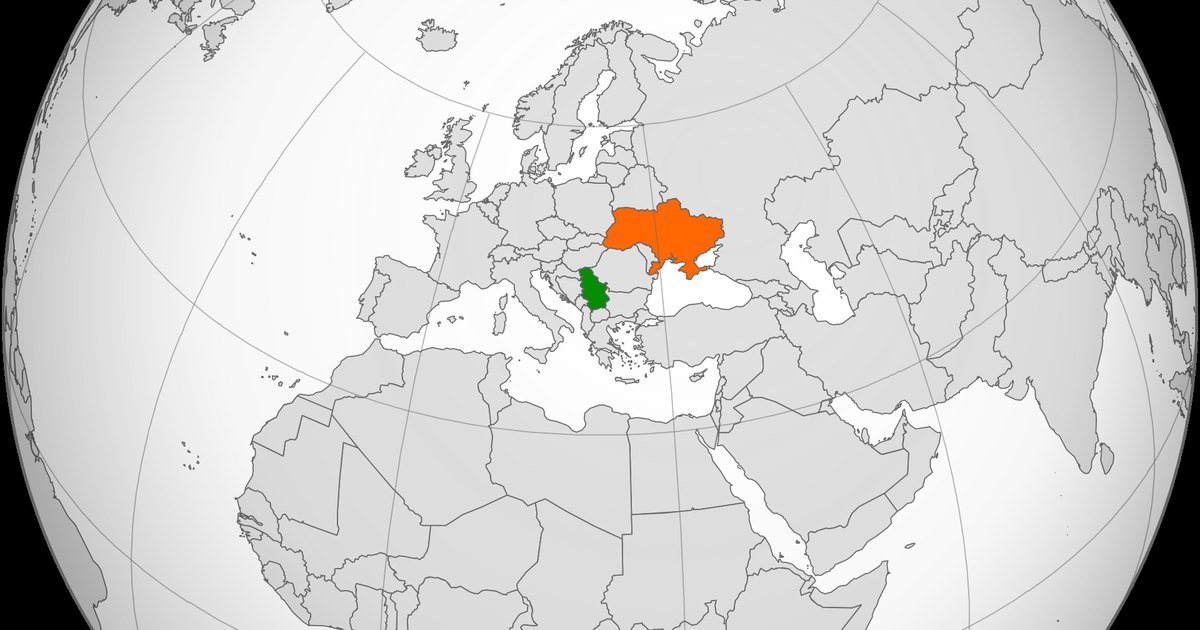
Russian missile and drone strikes killed four people in and around Kyiv, including a child, as President Volodymyr Zelenskyy travelled to Serbia for the first official visit by a Ukrainian head of state in eight years.
Ukraine's air force said Russia launched six ballistic missiles and more than 150 drones. It reported intercepting 135 of the drones, while emergency teams dealt with damage in the capital and surrounding region.
The casualty figures and interception claims come from Ukrainian authorities and can change as rescue work and damage assessments continue. The attack nevertheless underlined a problem that has become increasingly visible this summer: Ukraine can shoot down large numbers of drones while remaining exposed to faster ballistic missiles.
A rare opening in Belgrade
Zelenskyy met Serbian President Aleksandar Vucic in Belgrade, where Vucic reiterated Serbia's support for Ukraine's territorial integrity and the two leaders discussed bilateral cooperation and European integration.
The visit matters because Serbia has tried to preserve a distinctive position throughout the war. It has close historical, cultural and energy ties with Russia, while also pursuing membership of the European Union and maintaining relations with Kyiv.
A Ukrainian presidential visit does not erase those contradictions. It does, however, show that Kyiv sees value in engaging governments that have avoided the harder anti-Russian positions taken by many EU states.
The Patriot bottleneck
Zelenskyy again linked the battlefield danger to Ukraine's shortage of Patriot interceptor missiles. The US-made system is one of the few available to Ukraine that can engage certain ballistic threats, but a battery is only useful while it has missiles to fire.
Ukraine has been seeking additional systems, faster deliveries and permission to manufacture interceptors under licence. Zelenskyy said supplies were moving more slowly than last year and that paperwork was delaying licensed production.
That creates a strategic gap. Russia can mix relatively cheap drones with cruise and ballistic missiles, forcing defenders to decide which threats justify scarce high-end interceptors.
War and diplomacy move together
Ukraine also continued long-range strikes inside Russia, targeting oil facilities that Kyiv says support Moscow's war effort. Russian officials have reported disruption and fuel pressure from repeated attacks.
The parallel developments show the two tracks of Ukraine's strategy. Kyiv is trying to raise the cost of the war inside Russia while building diplomatic relationships and securing the air-defence supplies needed to protect its own cities.
For Serbia, the visit is a test of balance. For Ukraine, the immediate measure of success is simpler: whether diplomacy can help turn political support into enough interceptors before the next barrage.

Reader comments
Subscribers can join the conversationSign in to join the conversation. Comments are open to everyone with a free account.
Sign in or create accountLoading comments…