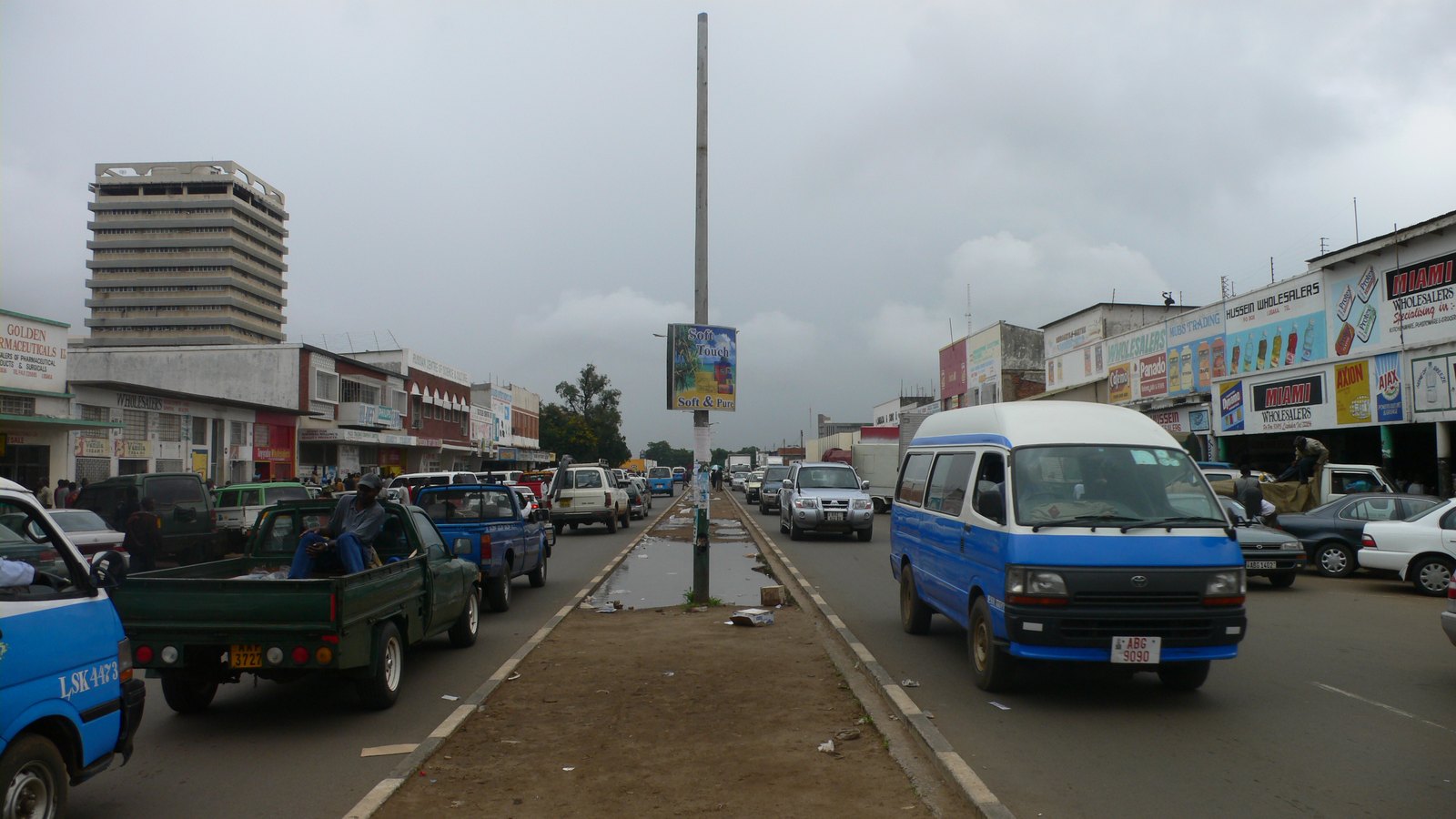
Vote counting in Zambia's presidential election was suspended and then restarted under heightened security after the Electoral Commission of Zambia said polling officials had been attacked and marked ballot papers stolen at some locations.
The temporary halt came as the country waited for results from an election that has tested public confidence in the economy and in the capacity of state institutions to manage a competitive national vote. The commission later said it had contained the security threat and that counting had resumed, according to The Associated Press.
The key facts need to be separated carefully. The commission's account establishes that it saw a security problem serious enough to interrupt the count. It does not, on its own, determine the impact on the result or prove the wider political claims made by rival actors. Those questions require transparent documentation of the affected stations, the ballots involved and the measures taken to protect the process.
AP reported that police said one political party official had been killed and nine people arrested. An opposition leader also made claims about the treatment of a member of the military. Those accounts should remain attributed unless they are independently substantiated. In a tense count, the difference between an official report, a party allegation and a verified finding is not a technicality; it is essential to public trust.
The decision to resume counting is a practical step, but it creates a new obligation. Election managers need to explain the chain of custody for ballots, the legal basis for any remedial action and the role of observers. Voters need a credible reason to believe that the disruption will not become a source of uncertainty once results are announced.
Zambia's election is important beyond the contest itself. The country is watched as an example of a democracy where citizens can change governments through the ballot box, while economic pressures continue to shape political choices. A count conducted openly after a security scare would reinforce that record. A process clouded by unanswered questions would do the opposite.
For now, the clearest confirmed development is that counting resumed after a temporary suspension. The next test is whether the Electoral Commission of Zambia, security agencies, parties and observers can provide prompt, specific and consistent information about the incidents. The legitimacy of the eventual outcome will depend not only on the numbers announced, but on the evidence supporting how they were reached.
Reader comments
Subscribers can join the conversationSign in to join the conversation. Comments are open to everyone with a free account.
Sign in or create accountLoading comments…