
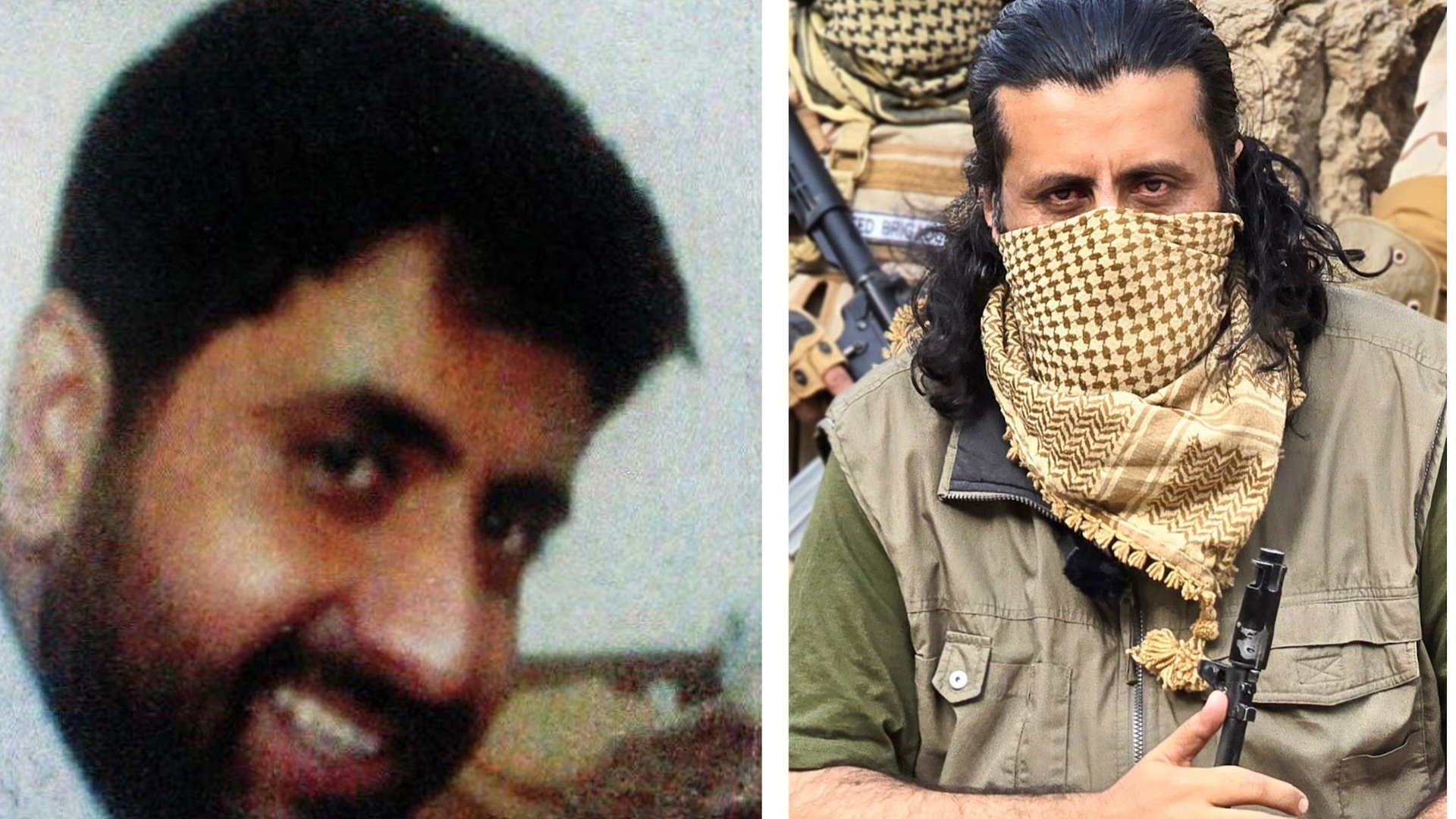
QUETTA / ISLAMABAD Two decades ago, under the crisp morning air of Abbottabad, an 18-year-old cadet named Rehman Gul stood at attention at the Pakistan Military Academy in Kakul. He raised his right hand, swore an oath on the constitution, and pledged his life to the defense of the Islamic Republic of Pakistan. He was being forged into an instrument of state power trained in counter-insurgency, infantry tactics, and martial discipline.
Today, that same infantry officer commands the spearhead of Pakistan’s most ruthless separatist insurgency.
In a tectonic leadership shift that has sent shockwaves through the military establishment in Rawalpindi, the Baloch Liberation Army (BLA) has appointed former Pakistan Army Captain Rehman Gul widely known by his nom de guerre Ustad Mureed or Mureed Baloch as its supreme Commander-in-Chief.
The transition marks a dark milestone in the protracted conflict gripping Pakistan’s resource-rich, insurgency-plagued southwestern province of Balochistan. Under internal BLA bylaws established in 2018 to prevent autocratic rule and lifetime dictatorships, long-serving chief Bashir Zeb stepped down. Following a mandatory transition period, operational command was formally handed over to Gul on November 14, placing an organization designated as a terrorist entity by Pakistan, the United States, and the United Kingdom directly into the hands of an academy-trained military insider.
A Dynasty Etched in Rebellion and Statecraft
To understand Rehman Gul is to understand the deep, fractured identity of Balochistan itself—a region where tribal loyalties, historical grievances, and state politics pull families apart across ideological chasms.
Born on August 14, 1984 ironically, Pakistan’s Independence Day Gul currently holds Pakistani citizenship under Computerized National Identity Card (CNIC) number 5410289719487. He hails from the arid, windswept Nushki District, where his roots run deep into the soil of the Mengal Zagar sub-caste.
His father, Mir Afzal Khan Mengal, cut a respected figure in local public life. A tribal elder and prominent politician, the elder Mengal once threw his hat into the electoral ring as an independent candidate for the Balochistan Provincial Assembly’s PB-34 Nushki constituency, later serving as a municipal councilor for Kali Mengal in local government elections.
Yet, rebellion was woven into the family tapestry just as tightly as parliamentary politics. Gul’s mother was the niece of Lawang Khan Mengal, a legendary guerrilla commander who took up arms against the Pakistani state during the brutal insurgency of the 1970s, which erupted after Prime Minister Zulfikar Ali Bhutto dismissed the elected National Awami Party (NAP) provincial government.
More profoundly, Gul’s maternal lineage connects him to the intellectual architecture of Baloch nationalism: his grand-uncle was Gul Khan Naseer, one of Balochistan’s most revered progressive poets, anti-imperialist thinkers, historians, and a former provincial education minister. Growing up in Nushki, Gul balanced his early education at Government Boys Model High School and intermediate studies in Quetta with the radical political folklore of his family's past.
The 109th Long Course: Brothers in Arms, Divided by War
In 2002, seeking stability and professional advancement, Gul cleared the fiercely competitive Pakistan Military Academy (PMA) entrance examination. He entered Kakul as part of the prestigious 109th PMA Long Course.
For two grueling years, Gul trained shoulder-to-shoulder with young men who would go on to form the backbone of the Pakistan Army's officer corps sharing mess halls, drill squares, and tactical exercises with soldiers who would later become his sworn enemies. The tragedy of Pakistan's internal war is starkly mirrored in Gul's PMA batchmates. While Gul ultimately turned his weapon against the state, some of his 109th course peers paid the ultimate price defending it against the very militancy Gul would later join. Among them was Lieutenant Colonel Shahzada Gul Faraz originally commissioned into the 39th Frontier Force Regiment and commanding officer of 34 Light who was killed in action in Bannu on February 21, 2026, while heroically tackling a suicide bomber to save his troops.
Upon graduation, Gul was commissioned as a Second Lieutenant, steadily rising to the rank of Captain in 2007. During his eight-year active military career, he was assigned to the 19th Battalion of the Frontier Force (FF) Regiment—the exact sister battalion of the 23rd Frontier Force Regiment, the historic unit of Field Marshal Asim Munir, Pakistan’s current Chief of Defence Forces and Army Chief.
Gul was neither a garrison desk officer nor a ceremonial parade commander. He was thrown straight into the furnace of Pakistan’s most dangerous operational theaters. In the rugged, lawless terrain of North and South Waziristan, Captain Gul operated on the frontlines of the war against the Tehrik-i-Taliban Pakistan (TTP), conducting counter-insurgency sweeps in flashpoint areas like Ladha, Karama, Karwan Munza, and Miran Shah. Prior to his departure from the forces, his final military deployment stationed him in the high-altitude, heavily militarized Khuiratta sector of Kotli District along the Line of Control (LoC) facing Indian-administered Kashmir.
The Great Defection: From State Defender to Insurgent Poet
By 2010, an internal ideological storm was brewing inside Captain Gul.
Stationed in the blood-soaked valleys of Waziristan, Gul witnessed firsthand the brutal mechanics of counter-insurgency warfare. According to tribal accounts, intelligence debriefings, and themes later echoed in his own clandestine writings, Gul grew deeply conflicted. He began to view the military campaigns in the tribal belt and the simmering security crackdowns in Balochistan not as defense of the realm, but as state-sponsored subjugation of ethnic minorities. A profound sense of guilt reportedly gripped the young captain a gnawing remorse for wearing a uniform that he believed was being used against his own people.
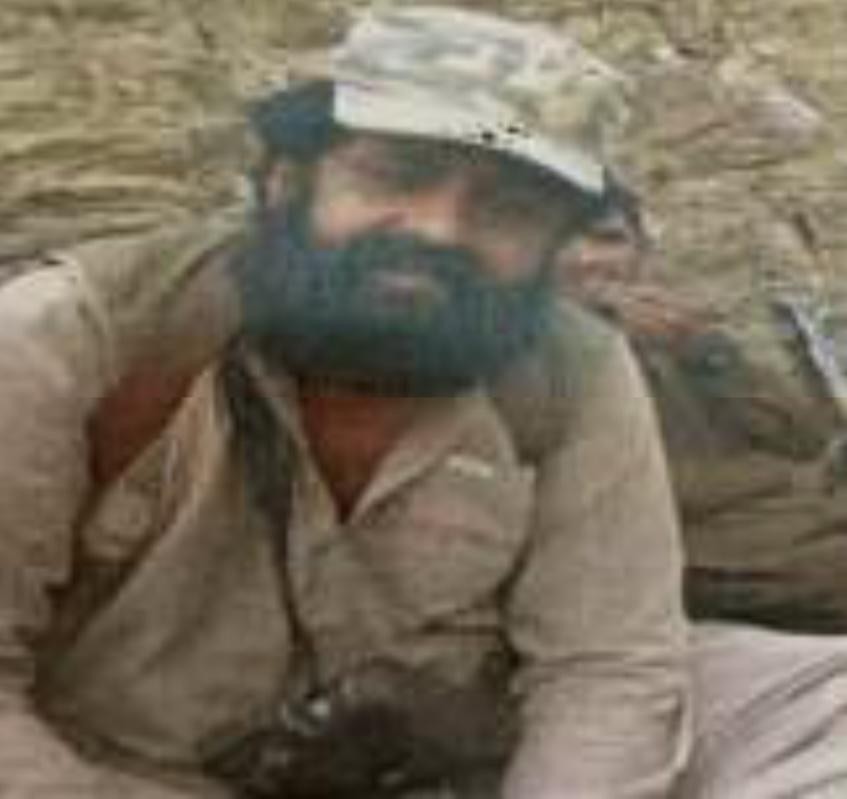
In 2010, quietly and without warning, Captain Gul walked away. He resigned his commission, shed his olive-green fatigues, crossed over to the dark side of the state's security apparatus, and vanished into the rugged, labyrinthine Bolan hills of Balochistan to join the Baloch Liberation Army under the command of veteran separatist leader Aslam Baloch.
In the mountains, Gul reinvented himself. Transforming his military expertise into guerrilla insurgency, he took the nom de guerre Ustad Mureed ("The Master Disciple"). He became an ideologue-warrior, channeling his internal turmoil into literature. Gul authored two books of poetry and numerous radical essays, using verse to glorify armed resistance, eulogize fallen insurgents, and excoriate the federal government in Islamabad.
Because of his institutional background, the BLA quickly put Gul’s talents to lethal use. He was tasked with establishing tactical training camps for raw recruits, designing ambush protocols, and commanding mobile guerrilla units across the mountainous, arid districts of Kharan and Kalat. His meteoric rise within the underground hierarchy eventually led him to the apex of the organization: supreme command of the Majeed Brigade the BLA’s secretive, fanatical suicide squad responsible for high-impact asymmetrical warfare.
The Mastermind of High-Profile Terror and Beijing's Wrath
As the operational brain behind the Majeed Brigade and a dominant voice on the BLA’s Senior Command Council, Gul orchestrated some of the most devastating attacks in Pakistan’s recent history, specifically targeting the economic lifeline of the China-Pakistan Economic Corridor (CPEC). Pakistani intelligence and First Information Reports (FIRs) identified him as the alleged mastermind behind the 6 October 2024 vehicle-borne improvised explosive device (VBIED) attack near Karachi International Airport. The vehicle, driven by 28-year-old business student Shah Fahad Baloch, exploded near a convoy carrying Chinese engineers employed by the Port Qasim Electric Power Company.
The blast killed three people, including two Chinese nationals, injured eleven others and destroyed 15 vehicles. The attack came just days before Pakistan was scheduled to host the Shanghai Cooperation Organization (SCO) summit, sending diplomatic shockwaves through Beijing and prompting heightened security restrictions for Chinese nationals in Balochistan and Khyber Pakhtunkhwa.
Gul also oversaw the logistical planning and execution of multiple bombings and sabotage operations targeting the Jaffar Express, terrorising civilian passengers on vital railway routes. In April 2024, under his alleged direct tactical orders, heavily armed BLA militants blockaded National Highway N-40, a key route connecting Pakistan and Iran, forcibly removed passengers from vehicles, checked their identity cards and executed nine individuals after identifying them as serving or former Pakistani security personnel.
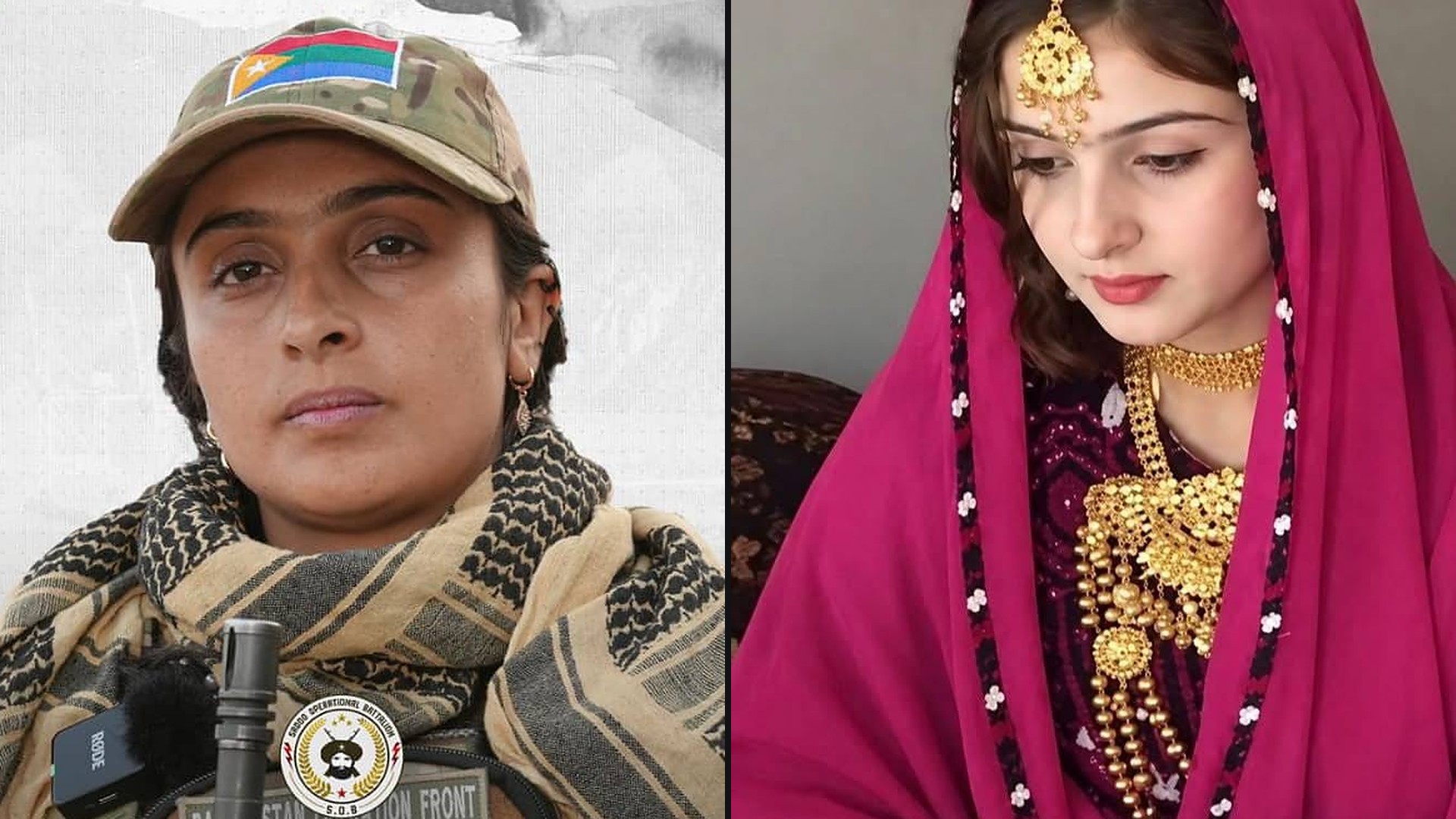
His operational legacy also draws on the BLA’s broader campaign of militancy, including the 2018 attack on the Chinese Consulate in Karachi and the 2022 suicide bombing at Karachi University’s Confucius Institute, carried out by female suicide bomber Shari Baloch.
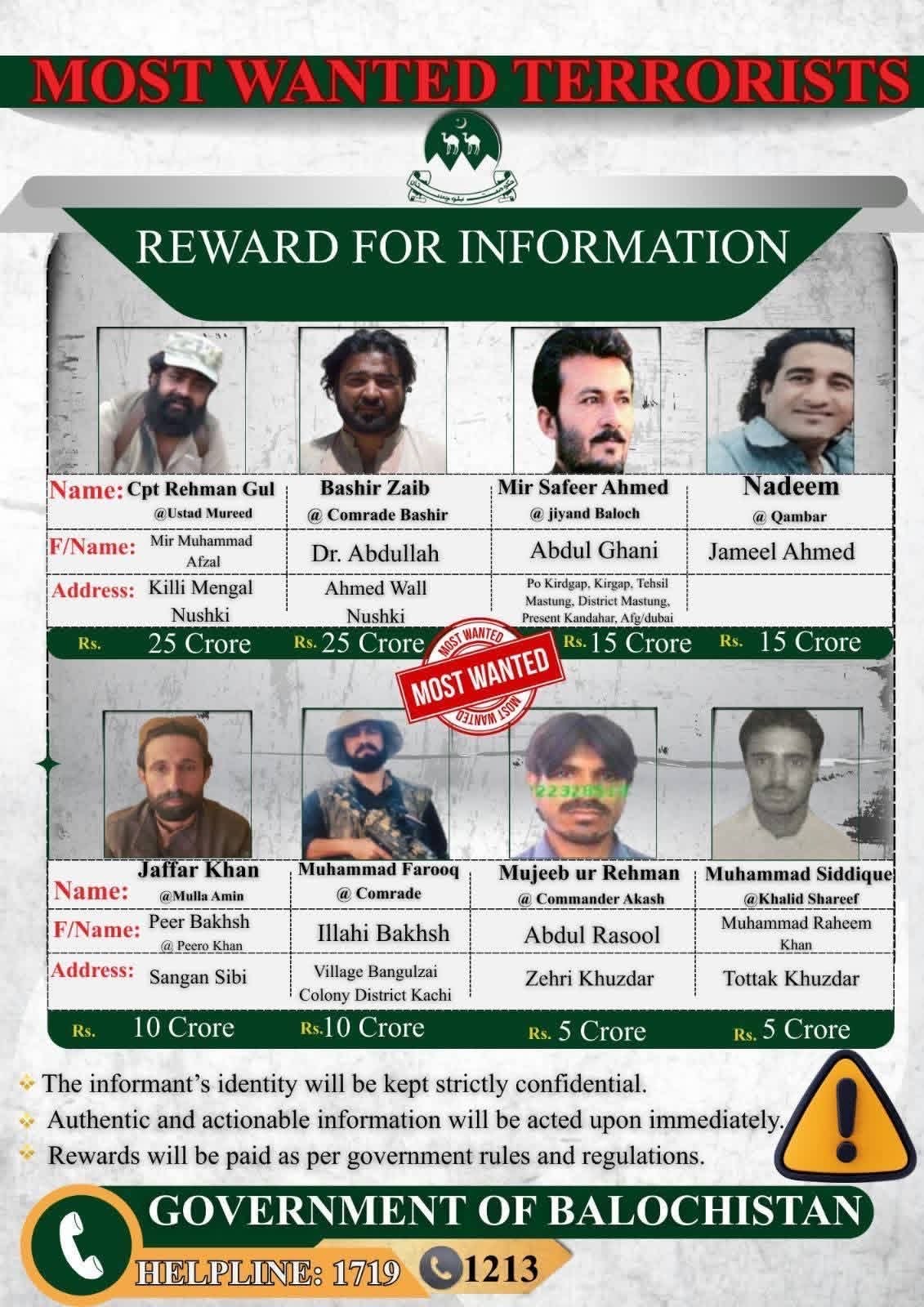
The state’s reaction was unsparing. The provincial Government of Balochistan, which initially placed a modest 1 million PKR bounty on Gul's head in 2016, watched his rank and threat level escalate, ultimately driving the bounty up to an astronomical 250 Million PKR (25 Crore PKR). Concurrently, the Balochistan Police placed him on their official "red list" in 2018, followed swiftly by Pakistan's Federal Investigation Agency (FIA) issuing a Red Notice and placing him on its premier terrorism red list in 2023.
A House Divided: The Tragedy of a Family at War
Perhaps nothing captures the Shakespearean tragedy of the Balochistan conflict quite like Rehman Gul’s immediate family tree.
While Rehman Gul sits in the mountain redoubts of the BLA as its Commander-in-Chief, orchestrating war against the state, his biological brother, Sarab Khan, stands on the exact opposite side of the barricade, serving as an active-duty soldier in the Pakistan Armed Forces, according to official FIA counter-terrorism files. Another brother, Meeran Baloch, reportedly took up arms alongside insurgent networks. It is a microcosm of a society tearing itself apart from the inside out—where brothers wear opposing uniforms, sleep in opposing trenches, and wage a bitter war of attrition over the fate of an unforgiving land.
The Stakes Ahead
As General Asim Munir’s military administration intensifies intelligence-based operations and kinetic sweeps across Balochistan where violence-related casualties have accounted for nearly 60% of nationwide totals in recent quarters—the elevation of Captain Rehman Gul changes the strategic calculus.
Islamabad is no longer fighting a decentralized network of tribal traditionalists. They are facing an insurgency commanded by one of their own a man who sat in their academies, studied their doctrines, patrolled their most volatile frontiers, and knows every tactical weakness in the Pakistan Army's playbook. For the soldiers patrolling the rocky passes of Balochistan, the enemy is no longer a shadow in the hills; he is a former captain who once carried the same institutional card, wore the same cap badge, and swore the same oath.


Reader comments
Subscribers can join the conversationSign in to join the conversation. Comments are open to everyone with a free account.
Sign in or create accountLoading comments…