
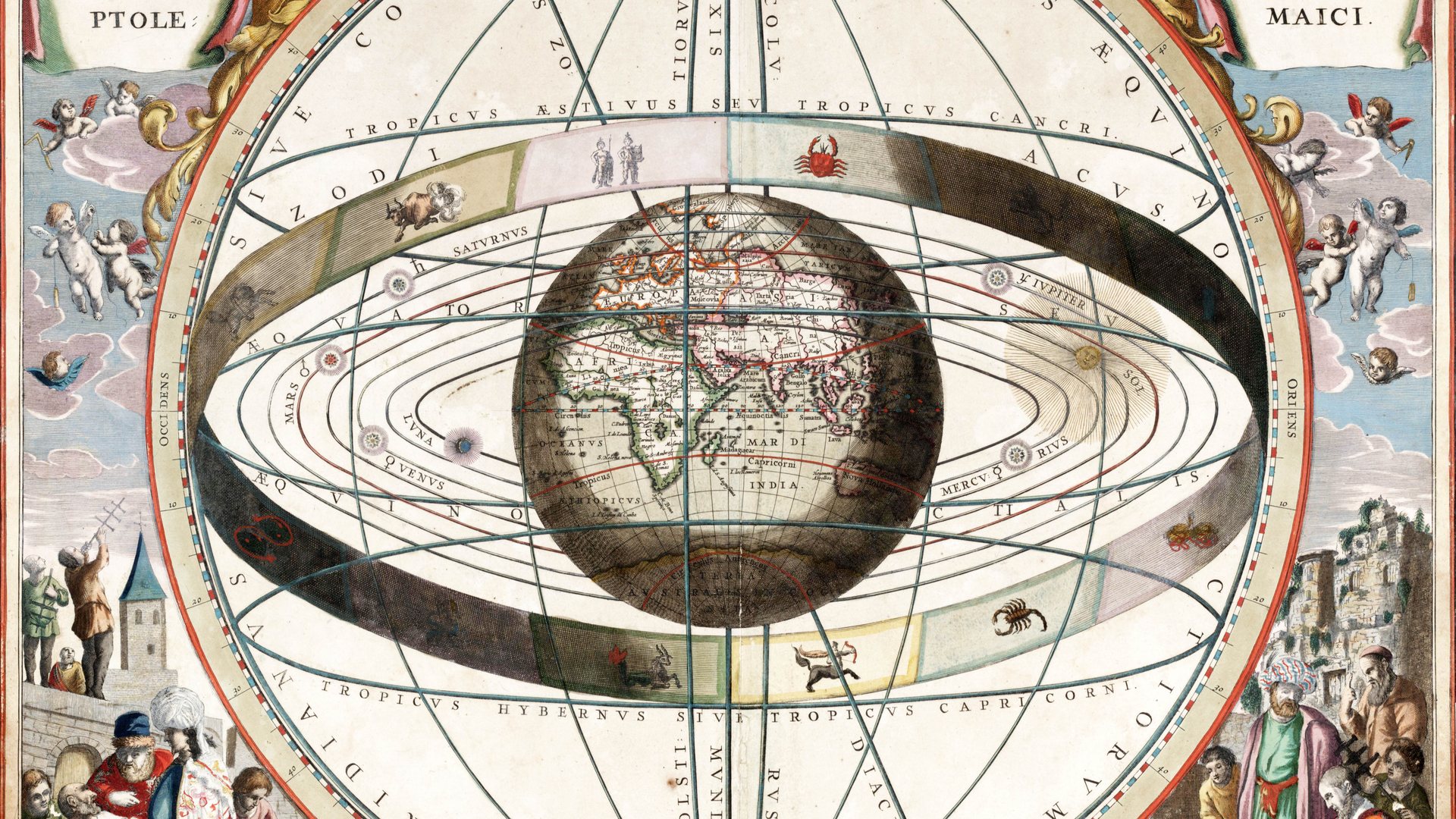
Growing up as a woman in an Islamic society, and within my own traditional family, studying astrology is something one learns to keep quiet about. In environments where reading the stars is widely frowned upon or dismissed outright as superstition, my fascination with both Tropical (Western) and Vedic (Indian) astrology began in solitude.
I did not approach these ancient systems with blind faith; rather, I came to them as a determined sceptic, taking every celestial forecast with a generous pinch of salt. Yet, over the years, quietly mapping planetary movements against real world headlines has revealed patterns far too striking to ignore. Today, as the outer planet Pluto settles into a rare twenty year journey through the sign of Aquarius, watching the cosmos mirror the ground reality, from Washington and London to Beijing, Moscow, Tehran, New Delhi, and Islamabad, feels remarkably like watching history’s hidden clockwork tick in real time.
To understand why astrologers across the globe are currently on the edge of their seats, one does not need an encyclopaedic knowledge of birth charts. In astrology, Pluto is the planet of deep, irreversible transformation: it acts like a cosmic demolition crew, tearing down outdated structures so that something new can be built from the ashes. Aquarius, meanwhile, is the sign of the collective; it governs ordinary citizens, grassroots rebellions, networks, science, and radical innovation. When Pluto enters Aquarius, a transition that occurs once every 248 years and lasts from late 2024 until 2044, power inevitably begins to shift away from rigid hierarchies and back towards the people.
Tropical and Vedic astrology, which measure the sky using slightly different mathematical frameworks, view this twenty year window as two sides of the same revolutionary coin. Whilst Western astrologers watch Pluto march through Aquarius, traditional Vedic astrologers track Pluto moving through Capricorn, the sign of governments, borders, and established institutions, whilst Rahu, the Vedic point of sudden upheaval, activates Aquarius. Both traditions signal the exact same phenomenon: the dismantling of old establishments and a turbulent, technologically driven awakening of the masses.
Echoes of the 1700s: When Empires Fell and Machines Rose
If we wish to see what Pluto in Aquarius looks like in practice, we need only look to the last time this transit occurred, between 1777 and 1798. Those two decades encompassed the American Revolutionary War, the storming of the Bastille during the French Revolution, and the Haitian Revolution, the only successful slave revolt in history. Across continents, absolute monarchies and colonial empires were confronted by Enlightenment ideals of human rights and self governance.
Simultaneously, the late eighteenth century sparked the Industrial Revolution, as steam power and mechanisation upended centuries of traditional labour. Today, our modern equivalent is unfolding at breakneck speed. In place of steam engines, we have artificial intelligence, quantum computing, and automation transforming the global workforce, alongside decentralised digital networks capable of mobilising millions overnight.
The West in Transition: America, Britain, and Europe
In mundane astrology, every nation has its own cosmic blueprint based on its founding moment. Right now, the Western world is experiencing a profound structural reckoning.
In the United States, whose 1776 founding chart places the Moon (representing the public) in Aquarius, Pluto’s transit strikes at the heart of civic identity. Having recently completed its generational ‘Pluto Return’, America is undergoing a prolonged examination of its constitutional framework, national debt, and the immense power wielded by Silicon Valley’s technology giants as digital currencies challenge traditional banking.
Across the Atlantic, the United Kingdom, anchored by its 1801 Act of Union chart, has its Sun and Mercury in early Aquarius. Over the coming decade, Pluto sweeps directly across these sensitive points, heralding unavoidable institutional modernisation across the monarchy, the House of Lords, the media landscape, and Britain’s post Brexit economic identity.
Meanwhile, mainland Europe faces an existential test of unity. Centralised decision making in Brussels is increasingly clashing with rising populist movements demanding national sovereignty, shifting defence alliances, and an overhaul of the continent’s industrial base.
Shifting Powers: The Middle East, Eurasia, and the Far East
Beyond the West, Pluto’s transit is redrawing alliances and challenging entrenched authority across Asia and Eurasia. In the Middle East, Gulf states with strong Leo and Taurus signatures are racing to pivot away from fossil fuels by pouring billions into futuristic smart cities and artificial intelligence.
At the same time, Iran and Afghanistan sit directly under intense astrological pressure. Pluto’s opposition to Leo and square to Taurus tests rigid ideological and clerical governance, pointing towards mounting grassroots resistance, particularly from women and younger generations demanding social reform and economic survival.
Further north and east, Russia, whose modern 1991 chart features prominent Aquarius and Capricorn placements, faces prolonged internal restructuring, economic adaptation, and a redefinition of its geopolitical borders.
Meanwhile, China and South East Asia stand at the epicentre of the Aquarian technological revolution. With China’s 1949 chart heavily activated across its financial and social axes, Beijing is accelerating into an era of artificial intelligence dominance and state digitalisation, even as demographic shifts and youth discontent test its tightly controlled governance. Across South East Asia, vibrant, youthful populations are simultaneously leveraging digital networks to demand transparency and democratic accountability.
Leaders in the Cosmic Crosshairs
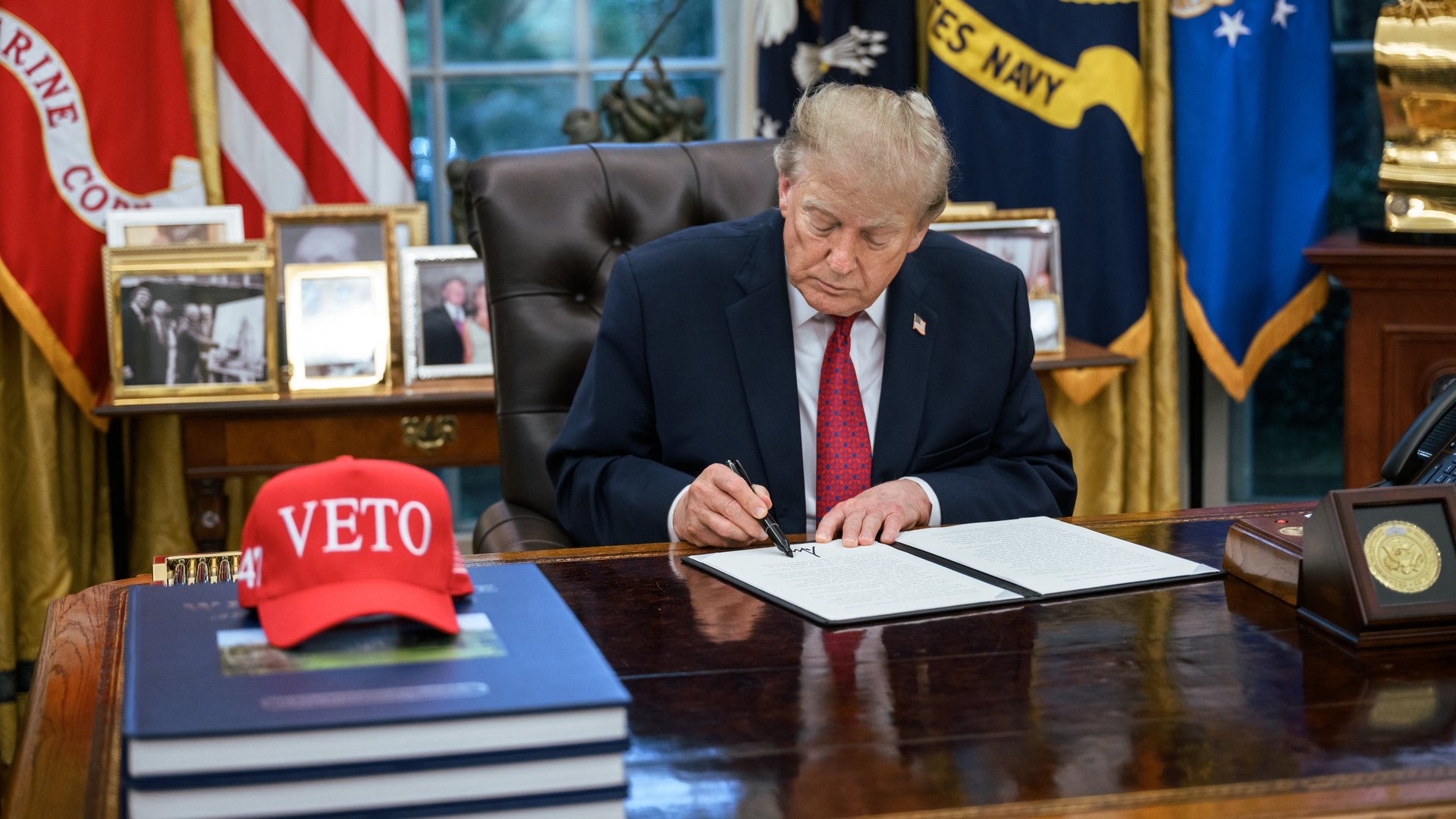
What makes this era even more compelling is how directly these planetary pressures land on the personal birth charts of today’s most prominent figures, many of whom carry heavy placements in Leo, the astrological sign of kingship and authority that sits directly opposite Aquarius. In Washington, Donald Trump’s Leo Ascendant and Mars are squarely opposed by transiting Pluto, placing his political legacy, alliances, and executive authority at the centre of intense institutional battles and relentless public scrutiny.
Across the Atlantic, King Charles III shares that same Leo Ascendant, which transiting Pluto opposes directly between 2026 and 2027 alongside major lunar node shifts. It is a volatile cosmic signature that has fuelled widespread predictions among psychics and astrologers alike of a shortened reign, a profound health reckoning, or a sudden transition of the Crown to Prince William by 2027.
This same celestial spotlight extends eastward, testing leaders whose political destinies are tightly bound to mass movements and national transformation. Indian Prime Minister Narendra Modi, whose birth chart features strong Leo and Scorpio dynamics, faces an era where centralised political dominance is increasingly tested by coalition realities, grassroots demands, and the complex pressures of steering a rising superpower through rapid change.
Meanwhile, in Pakistan, Imran Khan’s natal Pluto in Leo sits directly in the path of transiting Pluto’s opposition, casting his prolonged imprisonment as a deeply symbolic clash between personal endurance, state authority, and the collective populist energy of Aquarius.
South Asia’s Shared Reckoning: India and Pakistan
Nowhere is this collision between entrenched leadership and collective upheaval more riveting than across South Asia. Born within hours of one another during the Partition of August 1947, India and Pakistan share nearly identical outer planet placements, including a dense cluster in Leo (Tropical) and Cancer (Vedic) that symbolises their foundational leadership and post colonial trauma. Because Pluto is now directly opposing this 1947 signature, both nations are entering twenty years of profound transformation.
For India, Pluto activates the sectors of global standing, law, and infrastructure. Both Western and Vedic astrologers read this as the trajectory of a rising technological, spacefaring, and geopolitical superpower, paired with intense internal reforms across the judiciary, federal governance, and urban rural balance.
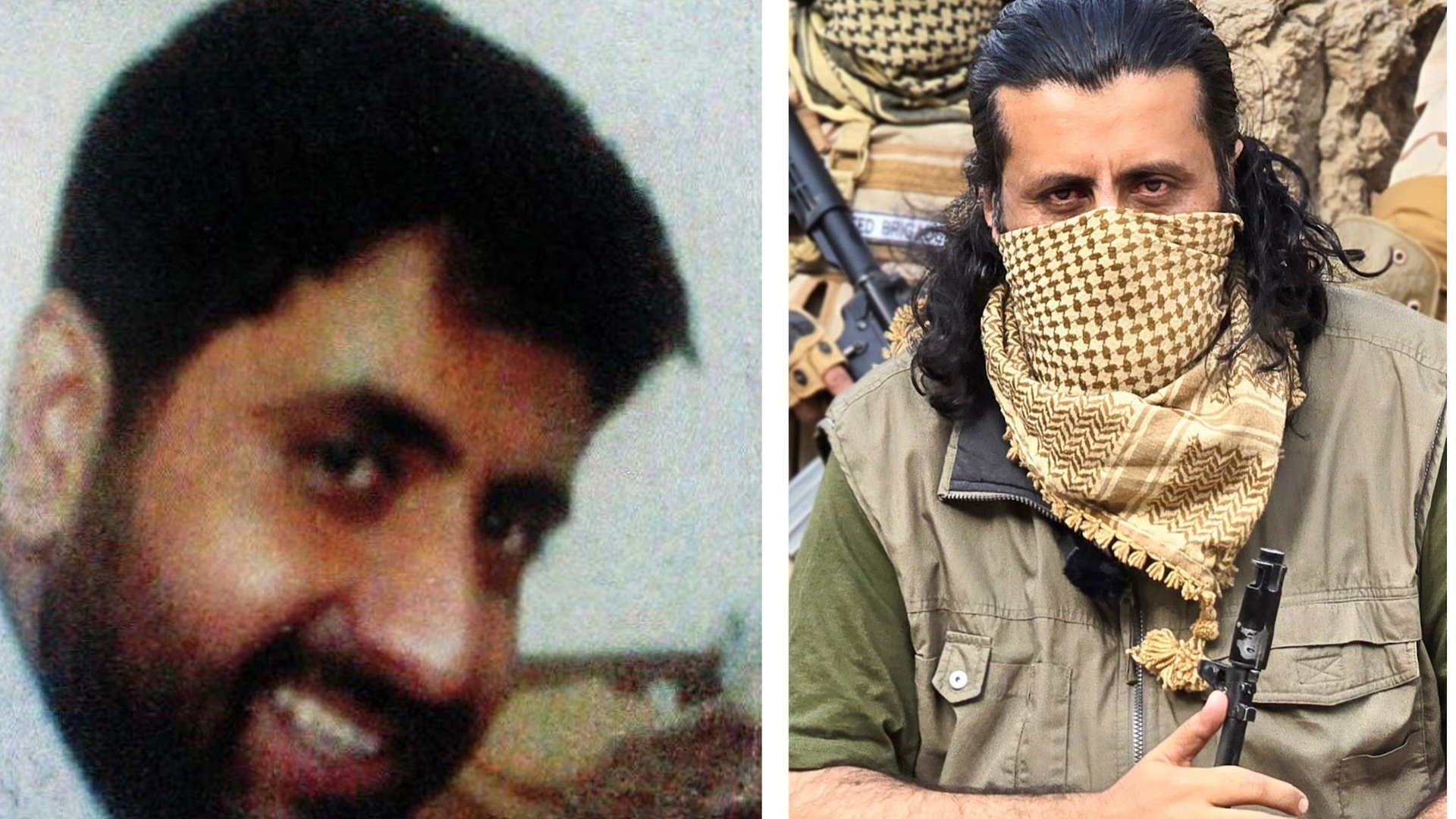
In Pakistan, however, the tension between entrenched command and grassroots upheaval has reached an extraordinary boiling point. On the ground, Field Marshal Syed Asim Munir has consolidated unprecedented constitutional authority as Chief of Defence Forces, whilst former Prime Minister Imran Khan remains behind bars in Adiala Jail amid prolonged legal battles and mounting concerns over his health. To those versed in mundane astrology, this stark contrast is a textbook illustration of the cosmic tug of war currently underway.
In astrological symbolism, military establishments, rigid hierarchies, and supreme commanders fall under the domain of Capricorn and Saturn, whilst Leo governs centralised authority. With Pluto transiting Tropical Aquarius (opposing Pakistan’s 1947 Leo placements) and moving through Vedic Capricorn (the nation’s tenth house of executive and military power), the cosmos is actively eroding absolute, unilateral control.
In historical cycles, when Pluto presses upon the house of supreme authority, the maximum consolidation of power, such as Munir’s elevation to Field Marshal and the enactment of sweeping constitutional amendments, almost always marks the final overextension just before a dramatic fall from grace. Astrologers tracking both systems view Munir’s grip on power as standing on borrowed time, pointing to mounting economic strain, deepening institutional fractures, and shifting international alliances as the exact pressures destined to trigger his downfall and dismantle the entrenched military establishment he commands.
Conversely, Aquarius governs the populace, youth movements, and liberation from confinement. With both Pluto and Vedic Rahu activating Pakistan’s eleventh house of collective networks and public support, mundane practitioners view the current era of heavy suppression as inherently unsustainable. Because Aquarius is famous for sudden, unexpected reversals, many astrologers following both traditions anticipate an eventual political turning point, where sustained public, judicial, and international pressure forces an opening for Imran Khan’s release and a broader rewriting of Pakistan’s civil and military compact.
A Pinch of Salt, A Grain of Truth
Of course, as someone who still approaches the stars with a healthy dose of scepticism, I believe every astrological forecast ought to be taken with a pinch of salt. Planets do not strip human beings of free will, nor can a birth chart account for every twist of political fate or human resilience.
Yet, when one steps back and observes how eerily the ancient rhythms of the sky align with the tremors shaking our modern world, it becomes difficult to dismiss it all as mere coincidence. Whether written in the stars or forged by human hands, the winds of revolution are undeniably blowing, and if history is any guide, the world that emerges on the other side will look nothing like the one we know today.

Reader comments
Subscribers can join the conversationSign in to join the conversation. Comments are open to everyone with a free account.
Sign in or create accountLoading comments…