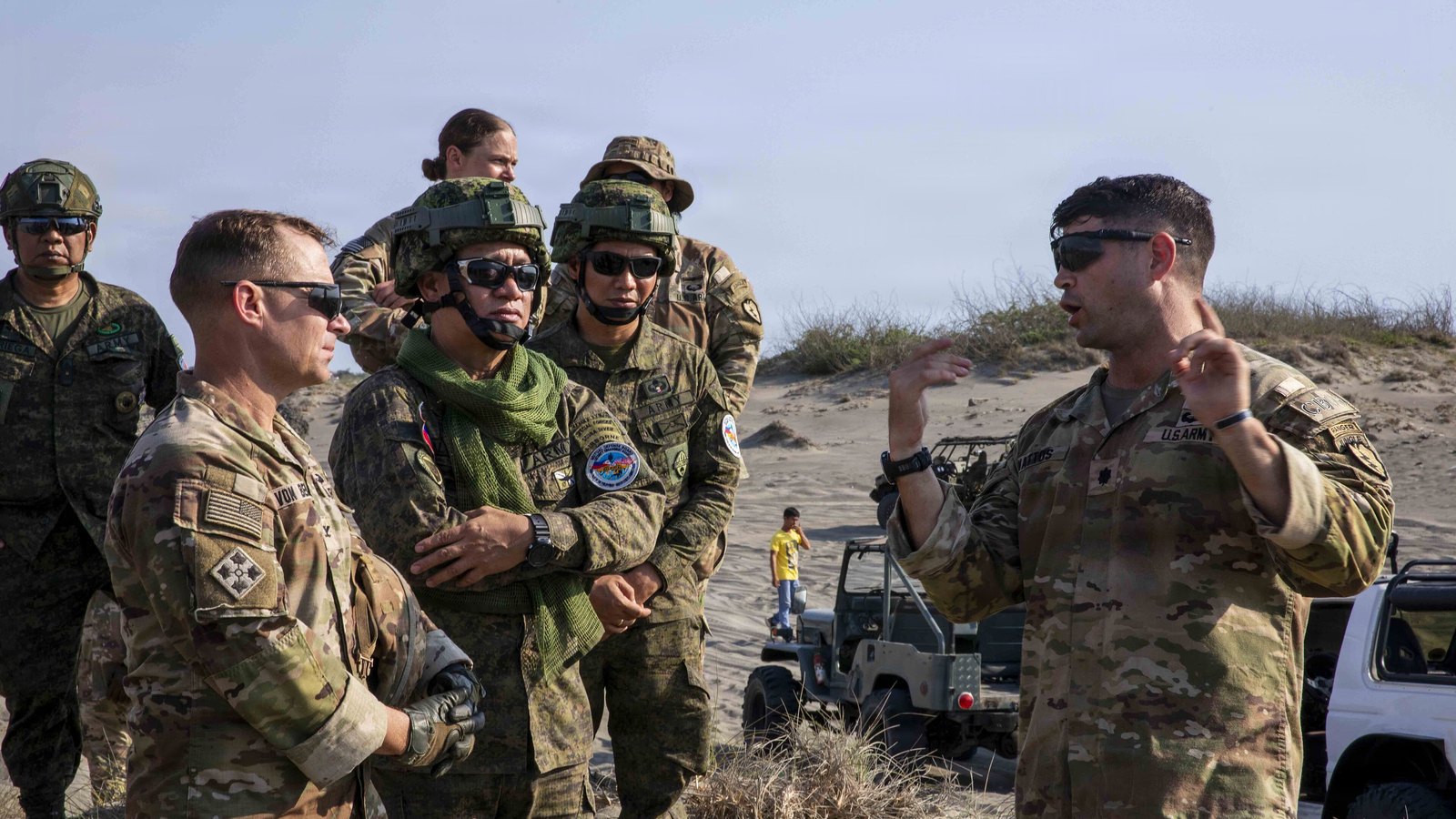
The head of U.S. Special Operations Command has said American special operations forces are prepared to expand exercises with the Philippines and other Asian partners, a sign of Washington's continued emphasis on regional deterrence as tensions with China persist.
Admiral Frank Bradley made the comments in an interview with The Associated Press during a trip that included South Korea and Japan. He said U.S. special operations forces would train where partner countries requested support and that cooperation with the Philippines could grow in response to Manila's sovereign requirements.
The comments are significant because they describe readiness rather than a fixed new operation. Bradley did not announce a new deployment, give force numbers or identify a specific exercise. That absence is important for accurate reporting: an official's willingness to expand training is not the same as confirmation that a particular mission has been approved.
The Philippines occupies a sensitive position in regional security. It faces repeated friction with China in the South China Sea and lies near the Batanes islands, which sit close to Taiwan. For the United States, training and interoperability with Philippine forces are part of a wider effort to show that allied and partner forces can operate together without making every security response dependent on a large permanent presence.
For Manila, the question is also about agency. Bradley's reference to Philippine needs places the formal decision with a treaty ally that has its own political debate about defence ties, sovereignty and the risks of being drawn into a larger confrontation. The practical form of any expansion would matter: training can cover maritime awareness, communications, disaster response, logistics or more specialised military skills, each carrying different political implications.
The broader message is one of gradual security integration. Exercises make it easier for forces to share information, coordinate equipment and understand how they would operate in a crisis. They can strengthen deterrence by making cooperation more credible, but they can also be read by Beijing as part of an effort to tighten U.S. influence around contested waters.
The story now is not that a new deployment has been announced. It is that a senior U.S. commander has publicly signalled an appetite to deepen a partnership that already matters to the balance of power in the region. The next evidence to watch is concrete: Philippine approval, published exercise plans, participating units and the objectives attached to any expanded programme.

Reader comments
Subscribers can join the conversationSign in to join the conversation. Comments are open to everyone with a free account.
Sign in or create accountLoading comments…