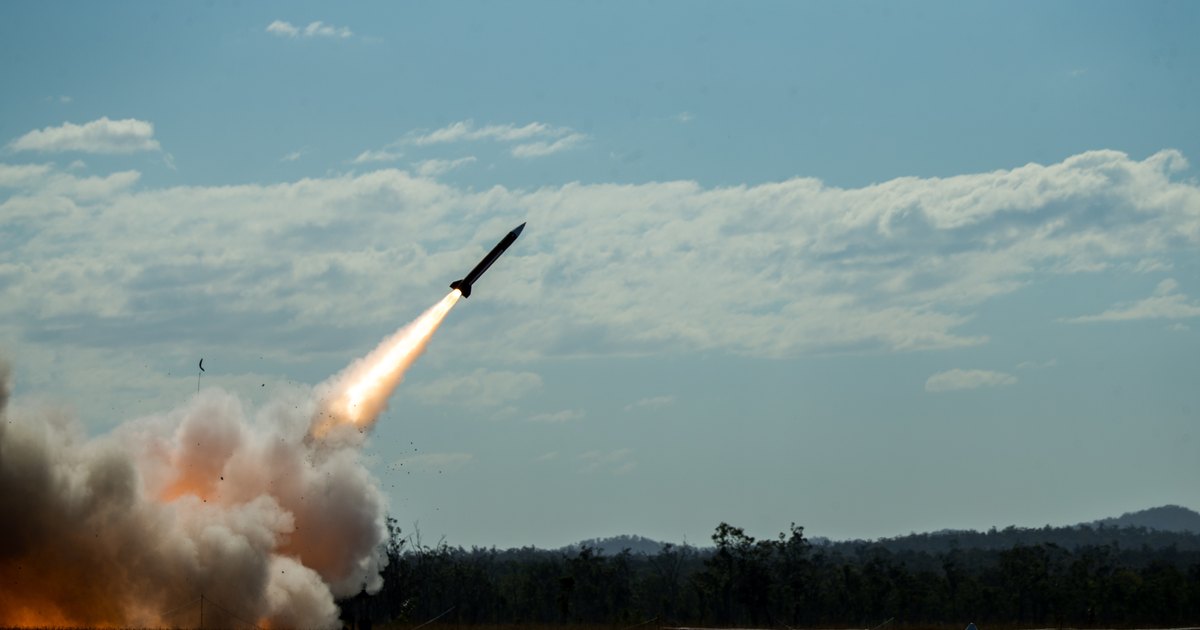
Ukraine is warning that Russia is preparing to exploit a critical shortage of Patriot air-defence interceptors, a problem Kyiv says has worsened as the United States turns its attention and missile stocks toward the war with Iran.
The warning came after Russian attacks on Ukrainian cities killed civilians and as President Volodymyr Zelenskyy said Moscow was increasing its ability to produce ballistic missiles and receiving military support from North Korea. The Associated Press reported that Ukraine believes Russia is trying to use the gap in air defence to intensify pressure on Ukrainian cities and infrastructure.
Why Patriots matter
Patriot systems are particularly important because Ukraine says they are the only systems in its arsenal capable of reliably intercepting the fastest and steepest ballistic missiles used in Russian strikes. A shortage of batteries is serious; a shortage of the interceptor missiles those batteries fire can be just as limiting. Even where a launcher exists, it cannot defend a city if ammunition is not available.
The problem is linked to the wider geography of the current war. U.S. and allied forces have needed large quantities of air-defence ammunition to protect military bases and infrastructure in the Middle East. AP reporting has described the Iran war as consuming stocks of Patriot and other interceptors, while Kyiv has continued to ask its partners for emergency deliveries.
Kyiv makes the case publicly
Zelenskyy has made the shortage a public issue. In a July address to the Organisation for Security and Co-operation in Europe's parliamentary assembly, he said Ukraine critically needed Patriot interceptors. His argument is both operational and political: without protection from ballistic attacks, Ukraine's cities, power infrastructure and industrial sites become more vulnerable just as the country enters another winter of war.
Russia's incentive is clear even without a breakthrough on the front line. Sustained missile attacks can damage energy facilities, disrupt transport and force Ukraine to spend scarce air-defence ammunition. They can also make civilian life less stable and increase pressure on Kyiv to accept a settlement before it believes the terms are safe.
A widening mismatch
The shortage does not mean Ukrainian air defence has collapsed. Ukraine continues to operate multiple systems and has repeatedly intercepted Russian drones and missiles. But the composition of the threat matters. Cheap drones can be met by a range of weapons; ballistic missiles demand more specialised systems, and their speed leaves less time for warning and response.
The immediate picture is therefore one of a widening strategic mismatch. Russia is increasing the pressure it can apply from the air, while Ukraine is asking allies to replace a scarce class of interceptors already being consumed elsewhere. Unless production, redistribution or new deliveries close the gap, the coming months could make air defence one of the decisive constraints on Ukraine's ability to withstand the war.


Reader comments
Subscribers can join the conversationSign in to join the conversation. Comments are open to everyone with a free account.
Sign in or create accountLoading comments…