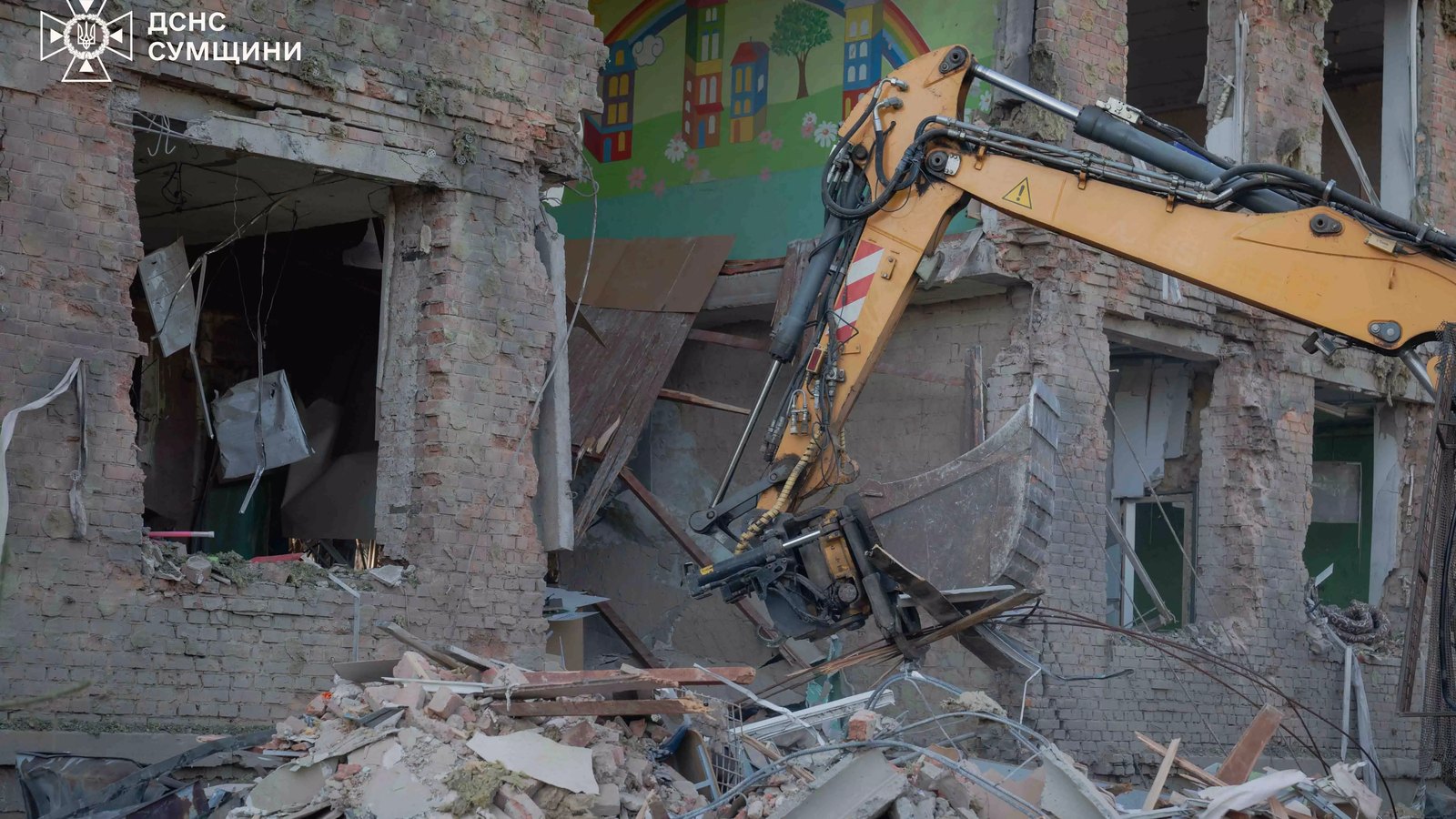
At least 437 civilians were killed and 2,610 wounded in Ukraine in July, according to the United Nations Human Rights Monitoring Mission in Ukraine. The figures, reported by The Associated Press, make July the deadliest month for civilians since the early weeks of Russia's full-scale invasion in 2022.
The monthly total was not an abstract measure. On Thursday night, a Russian drone attack in the northeastern Sumy region killed a 29-year-old woman and her nine-year-old son, AP reported, citing local officials. Four other family members were wounded. Such incidents show why casualty totals must be read as a record of repeated risks to homes, schools, transport and basic services, not as a distant statistical trend.
The U.N. assessment points to a sharp escalation in harm to civilians. AP reported that the July death toll was 70% higher than in the same month a year earlier and 30% higher than in June. The monitoring mission's figures are verified cases, which means the documented total is built from evidence rather than a simple aggregate of battlefield claims.
Moscow has signalled that the pressure will continue. Russian Foreign Minister Sergey Lavrov said Russia would intensify its strikes, according to AP. The statement does not establish what targets or methods will be used, but it places the civilian-protection picture in a grim context: communities are facing the prospect of further aerial attacks after a month already marked by unusually high casualties.
The scale of civilian harm matters beyond the immediate tragedy because it shapes the country's capacity to continue ordinary life. Repeated strikes can push families from their homes, disrupt hospitals and education, burden local authorities and increase the demands placed on air-defence systems. Even when a strike is not directed at a frontline position, its effects can reorganise the social and economic life around it.
The figures also complicate any discussion of diplomatic progress. A political process is judged in part by whether it reduces the harm that civilians experience. When the verified casualty toll reaches its worst level in years, pressure grows on all parties and external supporters to explain how civilians will be protected while military and diplomatic strategies continue.
The next indicators will be whether the pace of attacks changes, whether air defences can be reinforced and whether the U.N. reports another rise in verified casualties. For now, July's toll is a clear warning that the war's human cost is deepening even as attention often shifts to territorial lines and high-level negotiations.


Reader comments
Subscribers can join the conversationSign in to join the conversation. Comments are open to everyone with a free account.
Sign in or create accountLoading comments…