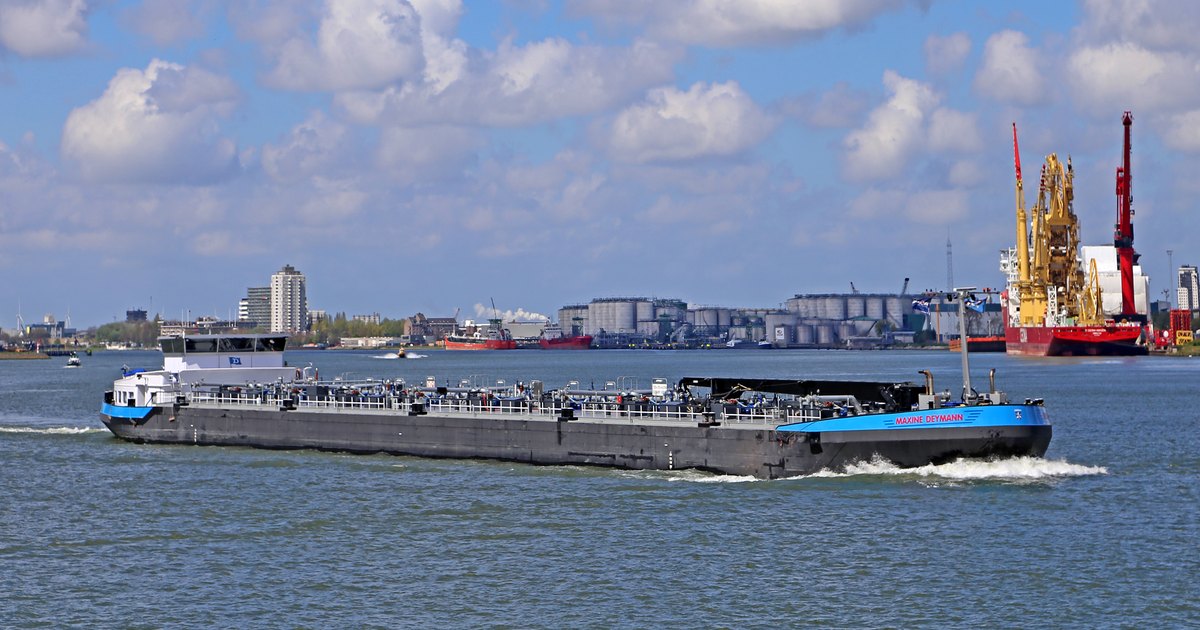
Two tankers owned by Abu Dhabi's state oil and gas company ADNOC were attacked by drones while transiting the Strait of Hormuz, the company said, in the latest incident to expose the risks facing commercial shipping through the waterway.
The attack took place on Thursday evening. ADNOC said there were no injuries and that the situation had been brought under control. The United Kingdom Maritime Trade Operations Center separately reported that two vessels had suffered minor damage in a drone attack while transiting the strait. UKMTO did not identify the vessels, but the incident appeared to be the same one, according to reporting by The Associated Press.
The United Arab Emirates blamed Iran for the attack. Its Foreign Ministry described the targeting of commercial shipping as a violation of freedom of navigation and said using the strait for economic pressure posed a threat to regional stability and global energy security. Iran had not immediately issued a response to the accusation at the time of the report.
Why the strait matters
The episode matters because the Strait of Hormuz is not simply a local maritime route. It is the narrow outlet linking the Persian Gulf to the open ocean, and before the current war it carried roughly one-fifth of the world's traded oil. Traffic has already been heavily constrained by attacks, threats and uncertainty over the rules for vessels seeking to pass through.
That uncertainty raises the cost of every voyage. Operators must weigh whether a ship can obtain insurance, whether a crew can safely navigate a contested route and whether a vessel might be mistaken for a military or politically aligned target. Even a short interruption can ripple through energy markets, freight rates and the budgets of countries that import fuel.
Competing claims
The latest attack also sharpens the regional question of who can guarantee safe passage. The UAE's accusation places direct pressure on Tehran, while the UKMTO report provides a separate maritime-security account of damage to two vessels. Those accounts establish that an incident occurred, but responsibility remains a matter of competing political claims until more evidence is made public.
For shipping companies, the immediate consequence is likely to be caution rather than a sudden return to normal. Vessels already in the Gulf may continue moving under enhanced security measures, while others could delay, reroute or wait for clearer guidance. Any new attack would further narrow the space for commercial traffic and increase the chance that a maritime incident becomes a wider military escalation.
What to watch next
The incident is therefore both a shipping story and a test of the regional war's boundaries. No casualties were reported, but the attack shows how quickly the conflict can reach civilian trade. The next significant signal will be whether Iran responds to the UAE's accusation, whether additional vessels report damage and whether maritime authorities issue new restrictions for ships approaching the strait.


Reader comments
Subscribers can join the conversationSign in to join the conversation. Comments are open to everyone with a free account.
Sign in or create accountLoading comments…