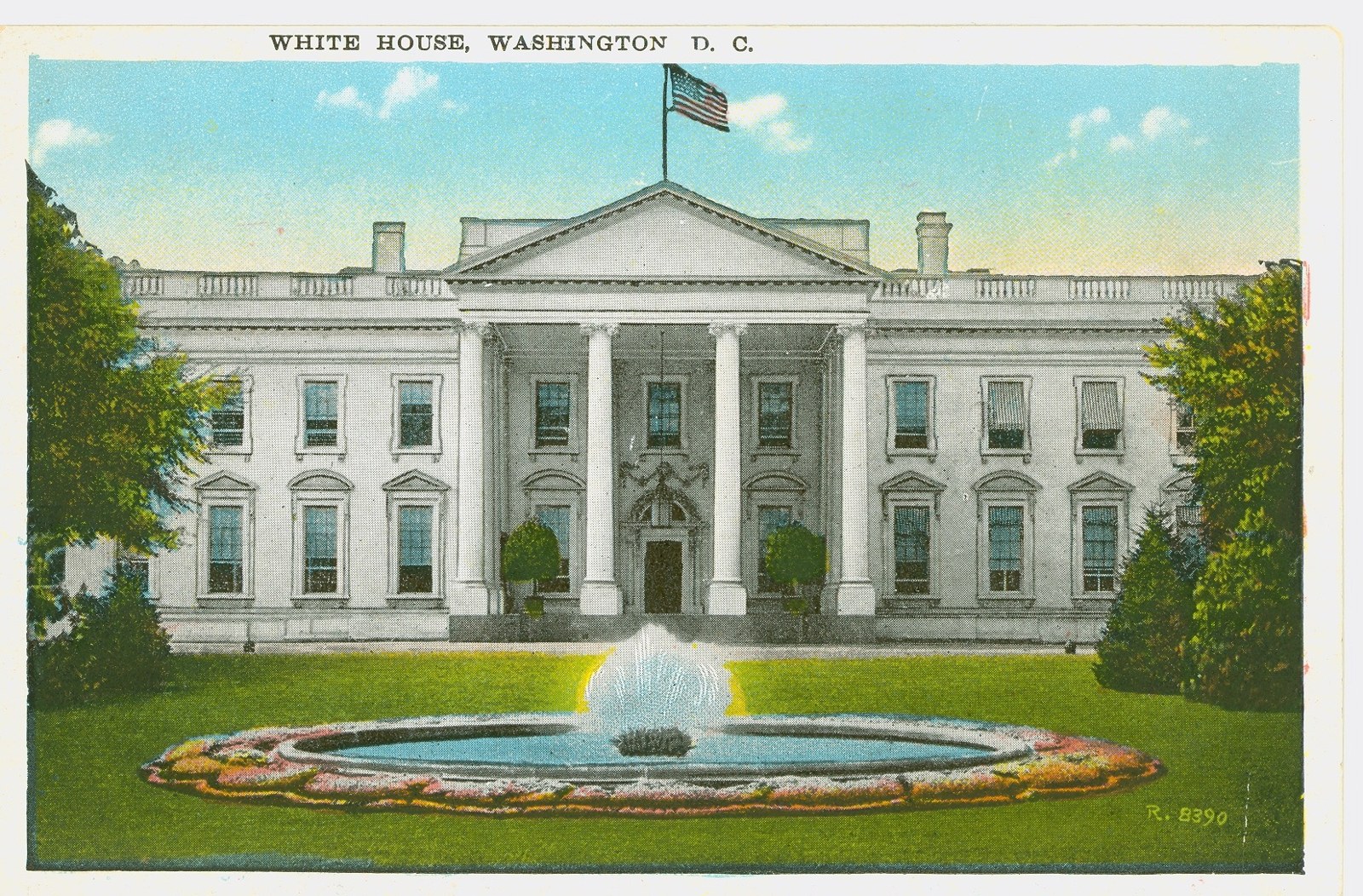
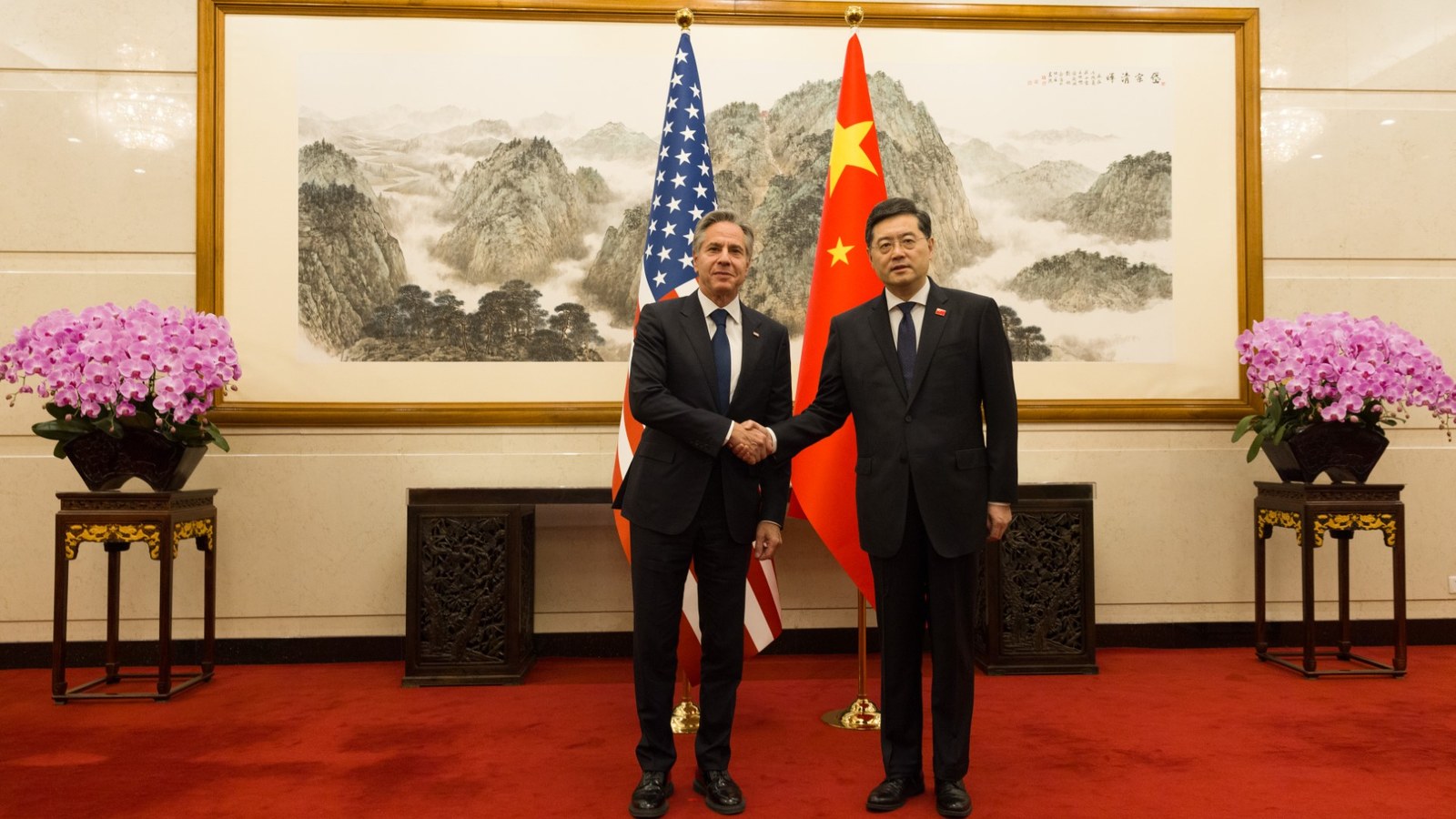
Donald Trump and Xi Jinping have extended a pause in the US–China trade war, but their Washington summit produced no public breakthrough on the disputes now defining the relationship.
The Guardian reported that the two sides agreed to extend the trade truce until 10 January. The arrangement gives both governments time and space, but it is not a settlement of the tariff conflict or the wider contest over technology and strategic influence.
Artificial intelligence sat at the centre of the rivalry. Trump signalled that he wanted to leave ‘super intelligence’ largely unregulated, while Xi said both countries should ensure that AI development remains under human control. Those positions suggest a shared vocabulary without evidence of a common rulebook.
Taiwan remained unresolved. The Guardian reported that Xi urged Trump to oppose Taiwanese independence, while the White House had not immediately issued its own summary of that part of the conversation. That gap matters because the island is one of the most dangerous points where technology, military planning and domestic politics overlap.
Iran added another layer of pressure. The summit took place as Washington and Tehran weighed an offer involving the Strait of Hormuz, while Beijing watched a crisis with implications for energy, trade routes and its own relationship with the Gulf.
The practical result is a managed pause rather than a new settlement. The leaders kept talking and extended a commercial truce, but the core competition over chips, AI, Taiwan and global leverage remains in place.

Reader comments
Subscribers can join the conversationSign in to join the conversation. Comments are open to everyone with a free account.
Sign in or create accountLoading comments…