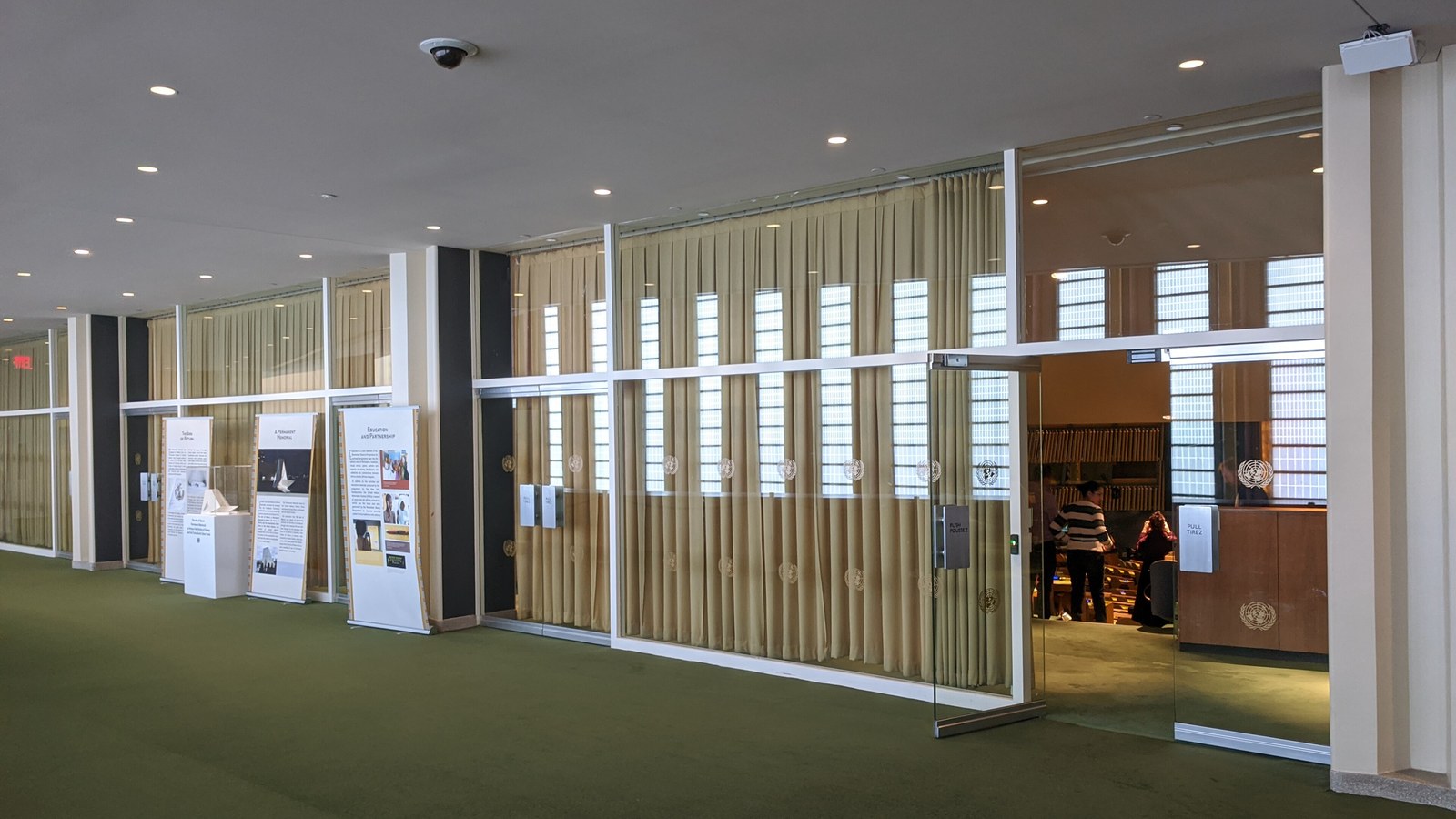
Donald Trump is returning to the United Nations at a moment when the organisation's annual gathering is being asked to absorb several crises at once: wars in Europe and the Middle East, economic uncertainty and an intensifying contest over artificial intelligence.
The Associated Press reported that Trump's programme in New York is expected to include meetings with Britain's prime minister Andy Burnham, Japan's prime minister Sanae Takaichi and Venezuela's acting president Delcy Rodríguez. The encounters place the US president's return to the UN inside a wider diplomatic calendar rather than a single bilateral dispute.
Diplomats opening the annual meeting have described a world in turmoil, with the balance of power shifting while the institution is pressed to respond to conflicts it cannot resolve by itself. The language matters: a description of crisis is not evidence of a new UN agreement, and no breakthrough should be inferred from the opening speeches alone.
Iran is central to the atmosphere around the meeting. The immediate question for governments is whether the New York conversations can reduce the risk of further escalation, while the longer argument concerns how much influence the UN can retain when major powers increasingly prefer direct bargaining, pressure and sanctions.
Trump's return therefore carries two stories at once: the substance of the meetings, and the test of whether the UN can still provide a shared diplomatic room when the world's most powerful states disagree about the rules of the room itself.
Reader comments
Subscribers can join the conversationSign in to join the conversation. Comments are open to everyone with a free account.
Sign in or create accountLoading comments…