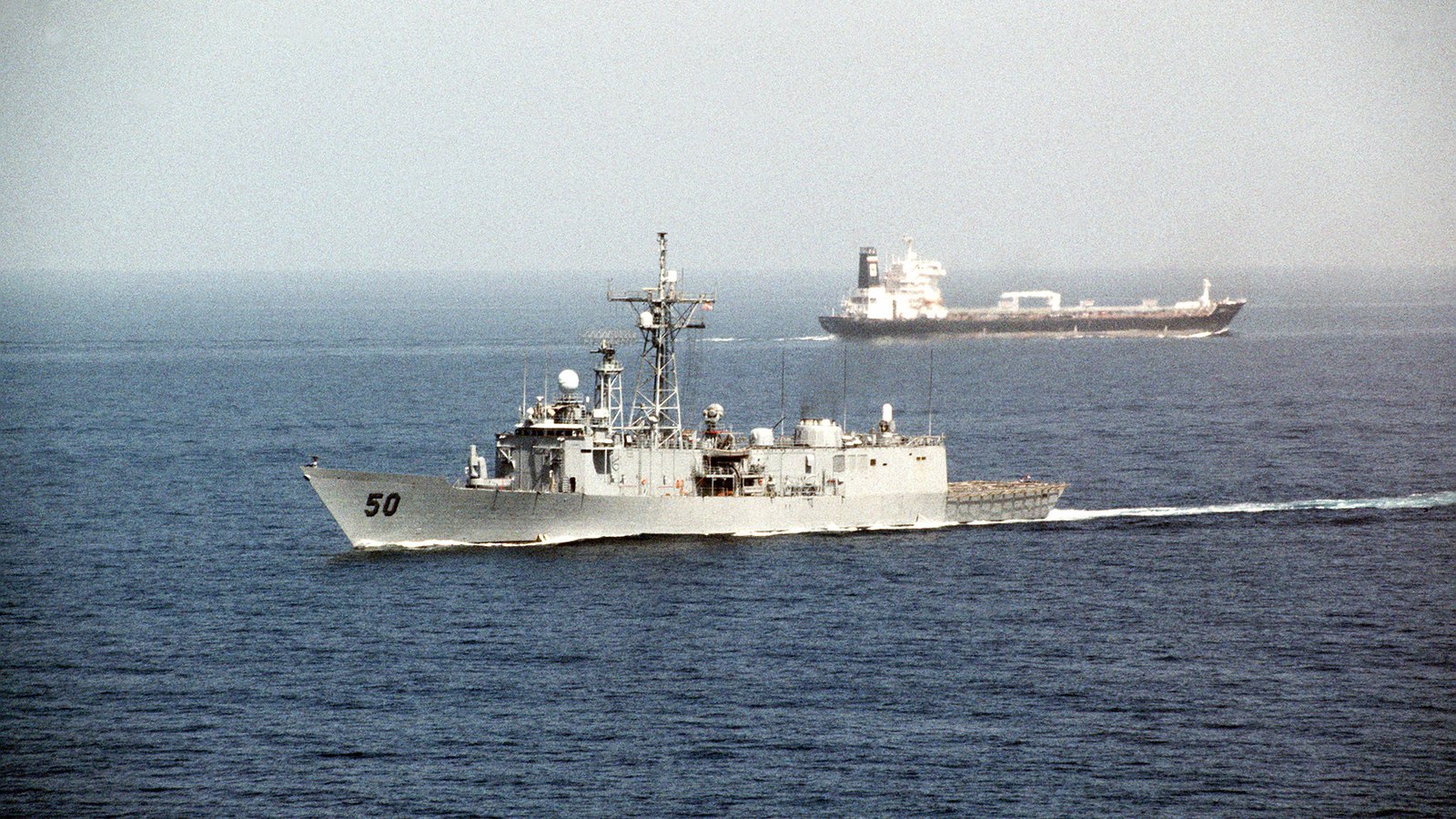
An ADNOC-owned tanker was attacked while transiting the Strait of Hormuz on Friday evening, according to the United Arab Emirates' state news agency WAM. No injuries were reported, but the episode marks the third reported attack on a vessel owned by the Abu Dhabi oil company in a week.
The latest report adds to the pressure on a waterway already disrupted by the regional war. The Associated Press said that shipping through the strait has been severely constrained since the conflict began, leaving operators, insurers and governments to assess every new incident for signs that commercial traffic is becoming a more direct target.
Crucially, the public account of Friday's episode was more limited than the UAE's description of earlier attacks. AP reported that the UAE had previously accused Iran over two attacks on ADNOC tankers, but that it had not immediately attributed this latest incident. That distinction matters. An attack can be confirmed without its author being established, and a newsroom account should not collapse those two questions into one claim.
UK Maritime Trade Operations also reported that a bulk carrier had been hit by an unknown projectile on Friday. It was not clear whether that was the same vessel or a separate event. The parallel report points to a wider problem for ships operating in the area: warnings can arrive before the identity, route and target of an incident are fully known.
The Strait of Hormuz is a narrow passage linking the Persian Gulf to the open ocean. Its importance lies not only in the volume of oil and gas that normally passes through it, but in the absence of a quick substitute route. When insurers raise premiums, crews delay departures or cargoes wait for security advice, the effects move beyond the Gulf into freight costs and energy supply calculations elsewhere.
The immediate human toll in the latest reported attack was limited, according to WAM. The strategic consequence may be larger. Three reported attacks on a single state energy company's vessels in one week create a pattern that shipping firms cannot easily dismiss as isolated. Each new report raises the risk that operators will treat passage through the strait as an exceptional, rather than routine, commercial decision.
What remains unresolved is as important as what is known. Authorities had not publicly assigned responsibility for Friday's attack at the time of AP's report, and UKMTO's bulk-carrier incident had not been conclusively linked to it. The next meaningful developments will be any official attribution, further detail from the vessel operators and new security guidance for ships approaching the waterway.



Reader comments
Subscribers can join the conversationSign in to join the conversation. Comments are open to everyone with a free account.
Sign in or create accountLoading comments…