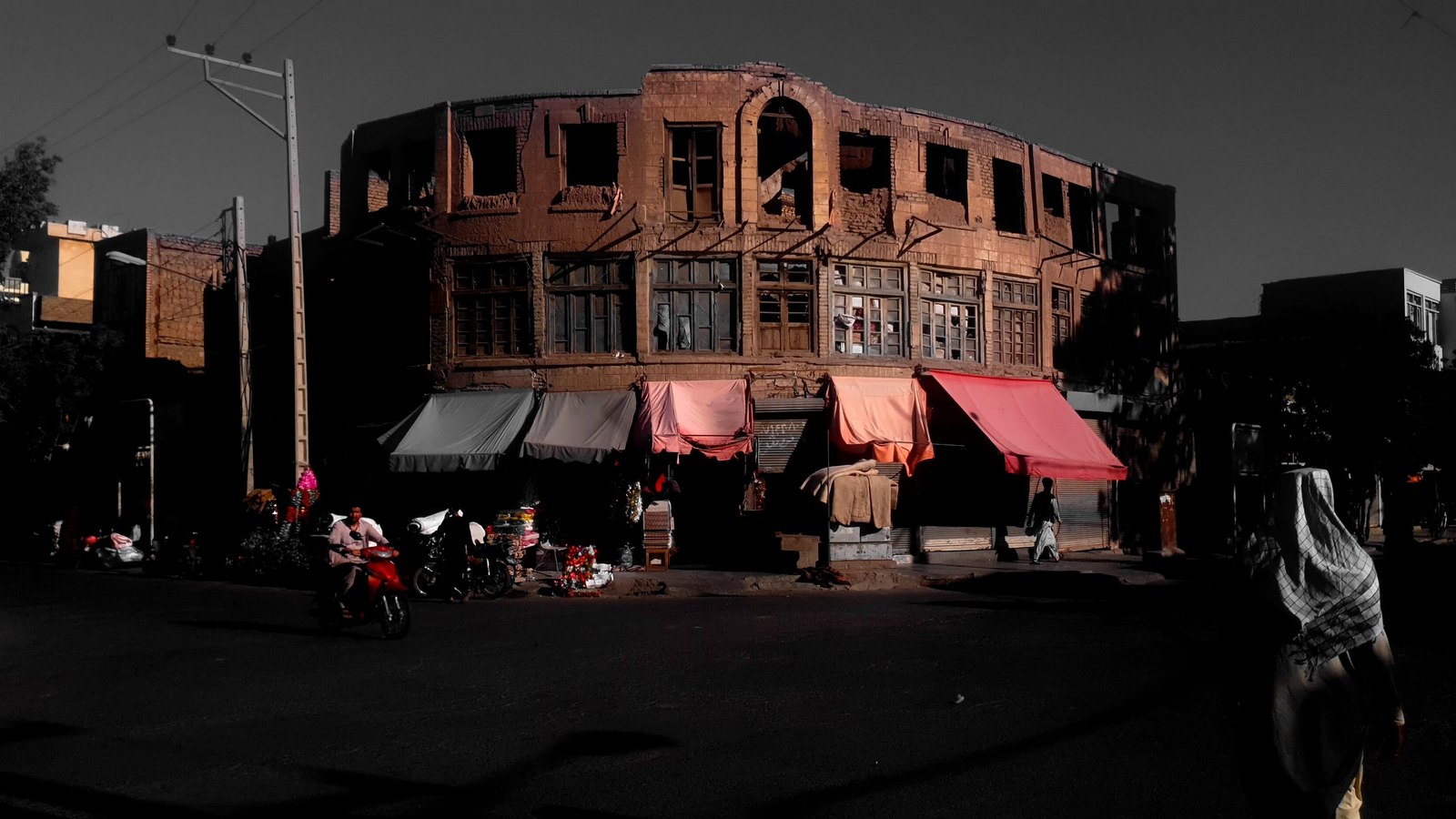
Afghanistan's Taliban authorities have detained two Afghan members of the United Nations political mission in the western city of Herat, according to the U.N. The organisation says it has not been told what charges the two staff members face and has not been able to visit them.
The confirmation came from U.N. deputy spokesperson Farhan Haq, who said the Taliban's General Directorate of Intelligence detained the staff members on Sunday. The U.N. mission has called on the authorities to comply with the privileges and immunities afforded to the organisation and its officials.
A separate case has increased concern about the space available for rights work. Human Rights Watch said Taliban authorities had detained six staff members from a local organisation working on women's and children's rights. The group described the staff as having been forcibly disappeared after their detention in July. Those are serious allegations, but they are distinct from the confirmed U.N. case.
UNAMA said it had no information about the reported six detentions or whether they were connected to the two U.N. staff members. That uncertainty should remain visible in coverage. Treating the cases as one operation without evidence would add to, rather than clarify, the risks faced by people and organisations on the ground.
The immediate issue is access. When a U.N. mission cannot reach its detained staff or obtain information about the basis for detention, it affects more than the individuals involved. It raises questions about whether humanitarian and human-rights organisations can communicate safely with authorities, protect local employees and continue work that depends on trust, mobility and confidentiality.
The operating environment in Afghanistan is already constrained by restrictions on women and girls and by pressure on civil society. The U.N. mission's mandate includes support for humanitarian assistance, human rights, equality for women and girls, inclusive governance and economic stability. Interference with its staff therefore directly touches the institutions charged with documenting and responding to those challenges.
The appropriate response is not speculation about motive, but insistence on basic safeguards: clear information on the legal basis for detention, access to those held and protection from intimidation for aid and rights workers. The next developments to watch are whether the Taliban provides charges or access, whether the U.N. reports a resolution and whether independent information emerges about the six rights-group employees.
Reader comments
Subscribers can join the conversationSign in to join the conversation. Comments are open to everyone with a free account.
Sign in or create accountLoading comments…