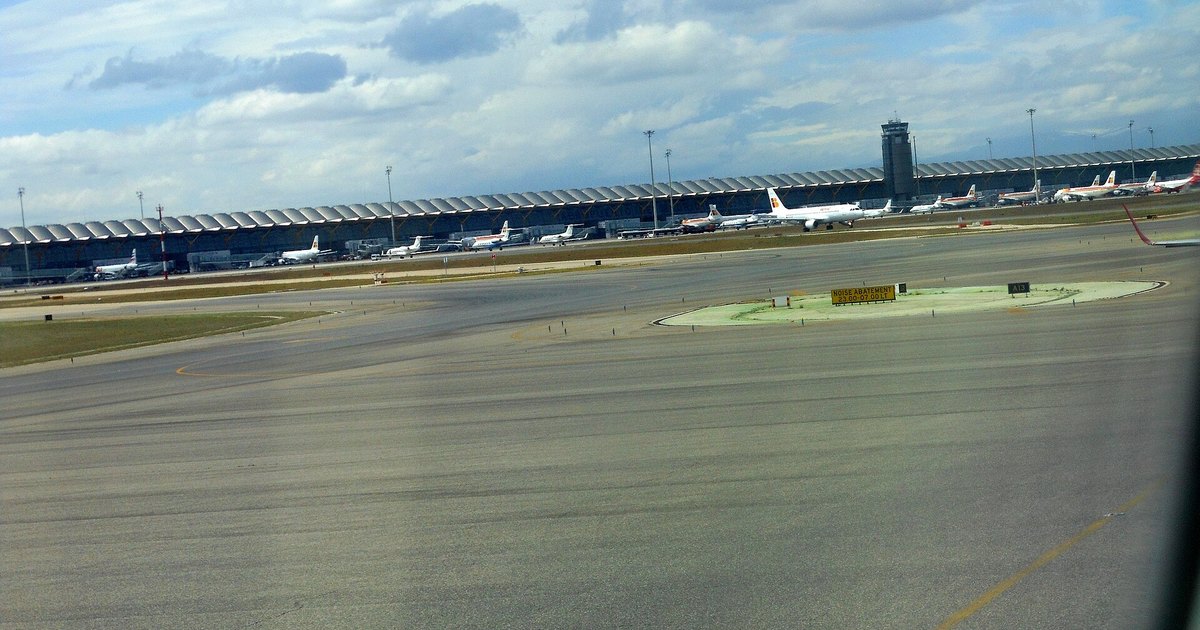
Checks begin at airports and ports
Spain has begun temporary checks on travellers arriving from Italy by air and sea, escalating a diplomatic dispute over migration and the Schengen free-movement area.
The measures started on Saturday and include random passport, nationality and visa checks at airports including Madrid and Barcelona, with controls also reported at Malaga, Seville, Bilbao, Alicante and Valencia. Spanish officials have said the checks are intended to run until 7 September unless circumstances change.
Madrid's move is a response to restrictions introduced by Italy on travellers arriving from Spain. Rome says its measures are necessary because of the migration and security risks created by the enormous recent influx into Ceuta, Spain's North African enclave.
From Ceuta to Schengen
Latest Associated Press reporting put the crossing at about 72,000 people from Morocco and the death toll at more than 80. The scale of the emergency has overwhelmed local services and turned an external-border crisis into a confrontation between two large EU states.
Italian Prime Minister Giorgia Meloni has argued that Spain's policies encouraged irregular migration and has rejected Madrid's demand that Italy remove its controls. Spain says the Italian restrictions are unjustified and has emphasised that many of those who entered Ceuta have already returned to Morocco.
The disagreement now reaches beyond the causes of the border surge. Each government is using internal-border controls to pressure the other.
Why the legal distinction matters
Schengen normally removes routine passport checks between participating states, but its rules allow governments to reintroduce controls temporarily when they identify a serious threat.
The European Commission describes such measures as a last resort that must be necessary and proportionate. That distinction matters because temporary checks do not amount to a permanent suspension of free movement, and Spain's controls are being applied randomly rather than as a blanket closure.
For travellers, however, even targeted checks can mean document inspections and delays that have largely disappeared on journeys inside the Schengen area.
A political test for the EU
Migration policy has long divided EU capitals over responsibility for external borders, asylum claims, returns and burden-sharing. The Ceuta crisis has added a new source of tension: whether disagreements over one member state's border management justify restrictions on another member state's citizens and residents.
Italy says security justifies its decision. Spain says reciprocity is necessary while those controls remain.
The European Commission will therefore be watching not only the migration situation in Ceuta but the proportionality and duration of the measures imposed by both governments.
What began at a fence and shoreline in North Africa has become a test of one of the EU's most tangible promises: the ability to cross internal borders without routine interference.


Reader comments
Subscribers can join the conversationSign in to join the conversation. Comments are open to everyone with a free account.
Sign in or create accountLoading comments…