A deadly morning across Ukraine
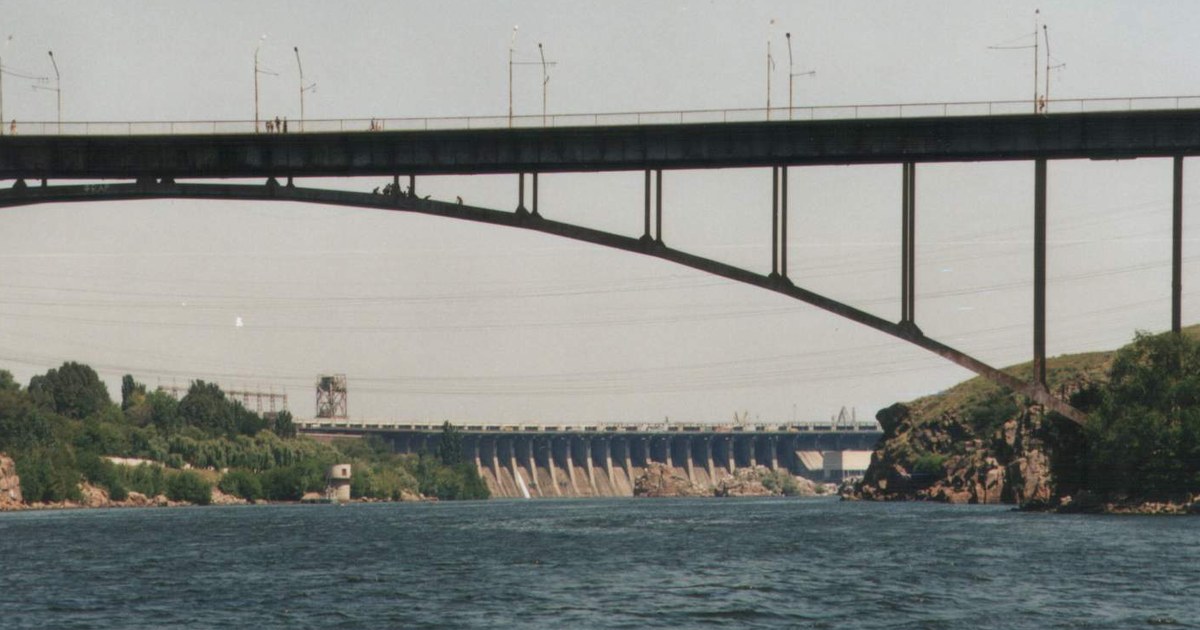
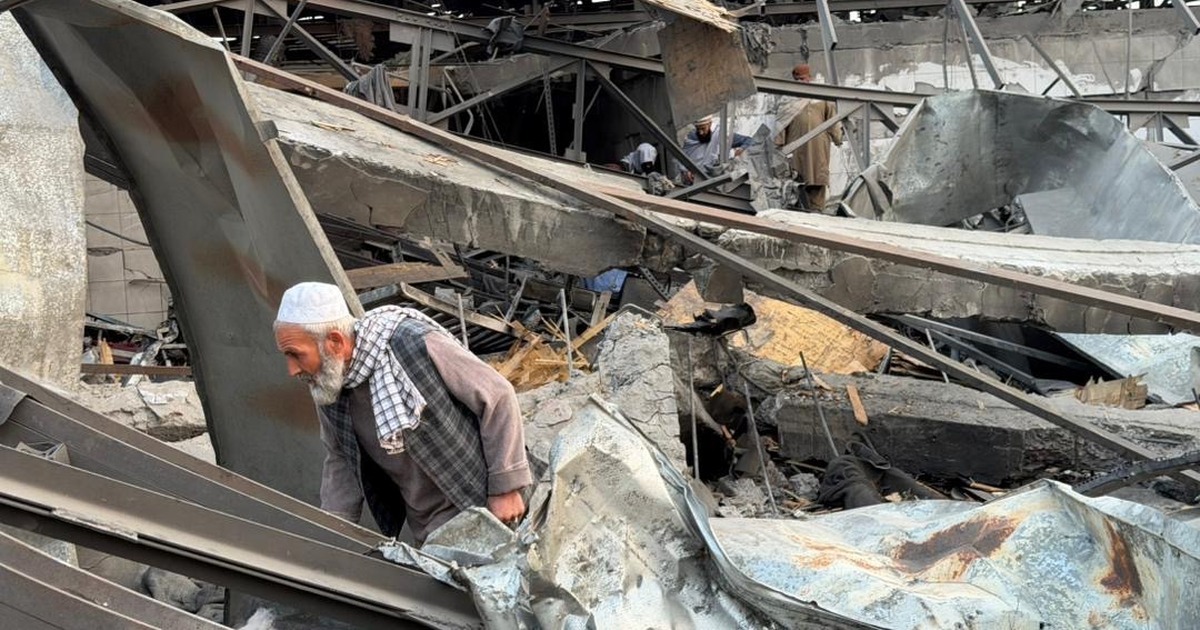
At least nine civilians were killed as Russia launched another wave of missiles, drones and glide bombs across Ukraine, with the heaviest reported losses in Zaporizhzhia and the Dnipropetrovsk region.
Local officials said six people were killed and 19 wounded in Zaporizhzhia. Three more people were reported killed in the Dnipropetrovsk region, including a 15-year-old boy. The toll may change as emergency teams continue damage assessments and search affected sites.
Kyiv points to North Korean missiles
President Volodymyr Zelenskyy said North Korean-supplied ballistic missiles were used in the attack on Zaporizhzhia. He also warned that Russia has received additional ballistic missiles from Pyongyang and is preparing for the arrival of more North Korean personnel.
Those statements place the latest attack inside a wider strategic development. North Korea has become an increasingly important military partner for Moscow as Russia tries to sustain the volume of ammunition, missiles and personnel required for a long war.
The latest barrage is not only another test of Ukraine's air defences; Kyiv says it also shows how the war is being sustained by a widening military partnership between Moscow and Pyongyang.
Kyiv also targeted
Ukraine said the wider Russian attack included ballistic and cruise missiles as well as about 120 drones. In Kyiv, damage was reported on the grounds of a children's hospital and at a warehouse, although no casualties were reported at those locations.
Russia said it had struck military-related facilities in Kyiv and Zaporizhzhia. As throughout the war, competing battlefield and targeting claims from the two governments cannot all be independently verified in real time.
The air-defence problem
The latest barrage again highlights Ukraine's uneven ability to defend against different classes of weapon. Large numbers of drones can be intercepted by a mix of mobile units, electronic warfare and air-defence systems, while ballistic missiles remain harder and more expensive to stop.
Kyiv has repeatedly asked partners for additional Patriot systems and interceptor missiles. The pressure becomes sharper when Russia can combine its own production with missiles or ammunition supplied by another state.
The immediate story is the civilian toll from another night of attacks. The larger one is the continuing internationalisation of the war: a European battlefield in which Russia is drawing on military support from North Korea while Ukraine remains dependent on Western air-defence capacity.

Reader comments
Subscribers can join the conversationSign in to join the conversation. Comments are open to everyone with a free account.
Sign in or create accountLoading comments…