A deadly barrage
A Russian missile and drone attack on the Kyiv region killed 17 people and wounded at least 44, according to Ukrainian authorities, in one of the deadliest recent strikes on the capital and its surrounding communities. Emergency crews searched damaged buildings and cleared debris as officials assessed the scale of destruction. The casualty total remained provisional, and authorities warned that it could change as rescue work continued. Ukraine said the barrage included missiles that its air-defence network failed to intercept. That claim cannot be independently verified in real time, but it has intensified the country’s argument that it lacks enough high-end systems and interceptor missiles to protect its cities consistently.
Why Patriots matter
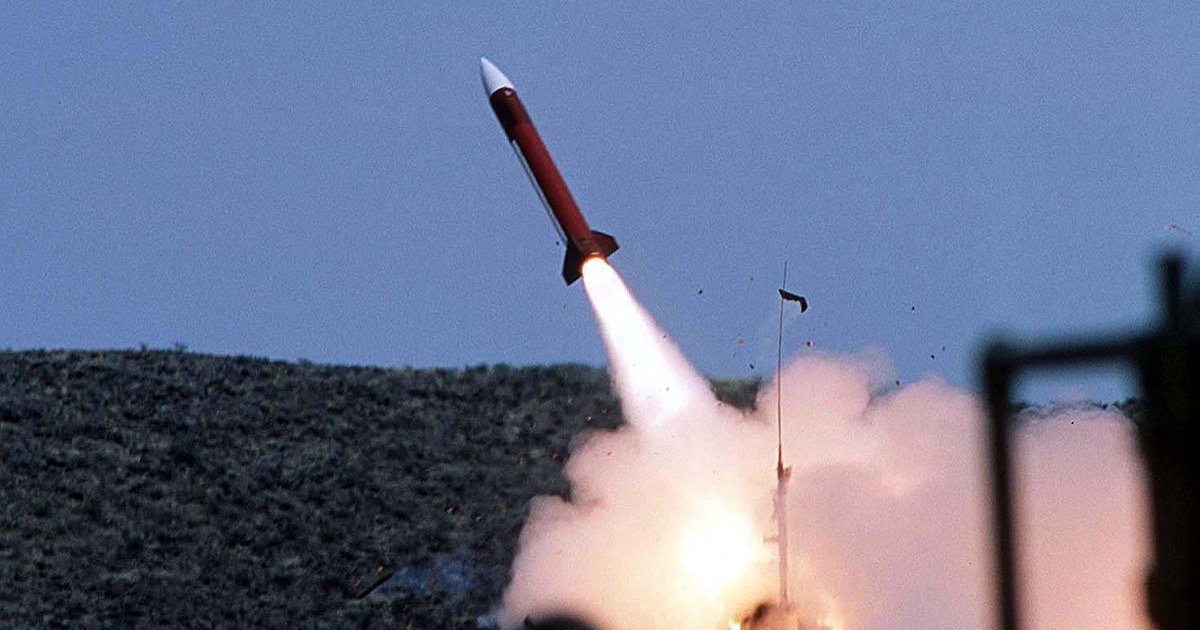
President Volodymyr Zelenskyy renewed his call for additional Patriot batteries and faster deliveries of interceptors. The US-designed system is one of the few platforms available to Ukraine that can engage certain ballistic and cruise missiles at useful ranges. A battery is not a single launcher. It requires radars, command equipment, trained crews, maintenance and a continuing supply of expensive interceptors. Even when a country receives a system, its ability to sustain operations depends on production capacity and access to replacement missiles. That makes air defence a problem of industrial endurance as much as battlefield tactics. Russia can combine drones, cruise missiles and ballistic weapons in ways designed to consume interceptors and force Ukraine to choose which targets receive the strongest protection.
Civilian and infrastructure damage
The attack struck civilian areas and infrastructure in and around Kyiv. Ukrainian authorities accused Russia of deliberately targeting populated areas, while Moscow has repeatedly said it attacks military or defence-related targets. Those competing claims must be reported with attribution. The confirmed public-interest facts are the deaths, injuries and damage described by emergency services, alongside the observable strain on Ukraine’s air-defence network.
A shortage with strategic consequences
Ukraine’s allies have supplied air-defence systems since the full-scale invasion began, but demand for Patriot missiles also comes from other European and Middle Eastern partners. Production has increased, yet the requirement across several regions continues to exceed immediate supply. The result is a strategic vulnerability. Every successful Russian strike can cause direct casualties, damage power or transport networks and increase pressure on Ukraine’s government. It can also test whether allied promises are converted into hardware quickly enough to affect the war.
The wider contest
Russia retains the ability to launch large mixed barrages, while Ukraine has expanded long-range attacks on Russian military and energy infrastructure. Both sides are trying to weaken the other’s capacity to sustain the conflict far behind the front line. For civilians around Kyiv, however, the strategic contest is experienced through warning sirens, damaged homes and rescue operations. The latest attack has turned an abstract debate over production lines and alliance commitments into a direct question: how much of Ukraine can its current defences protect at once?


Reader comments
Subscribers can join the conversationSign in to join the conversation. Comments are open to everyone with a free account.
Sign in or create accountLoading comments…