
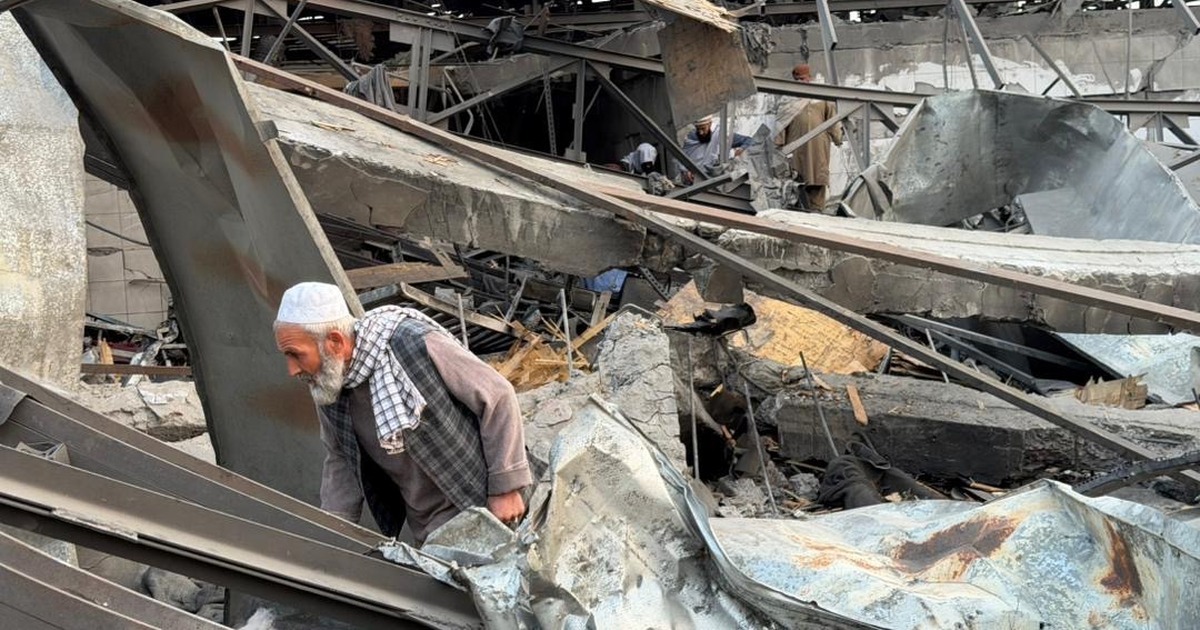
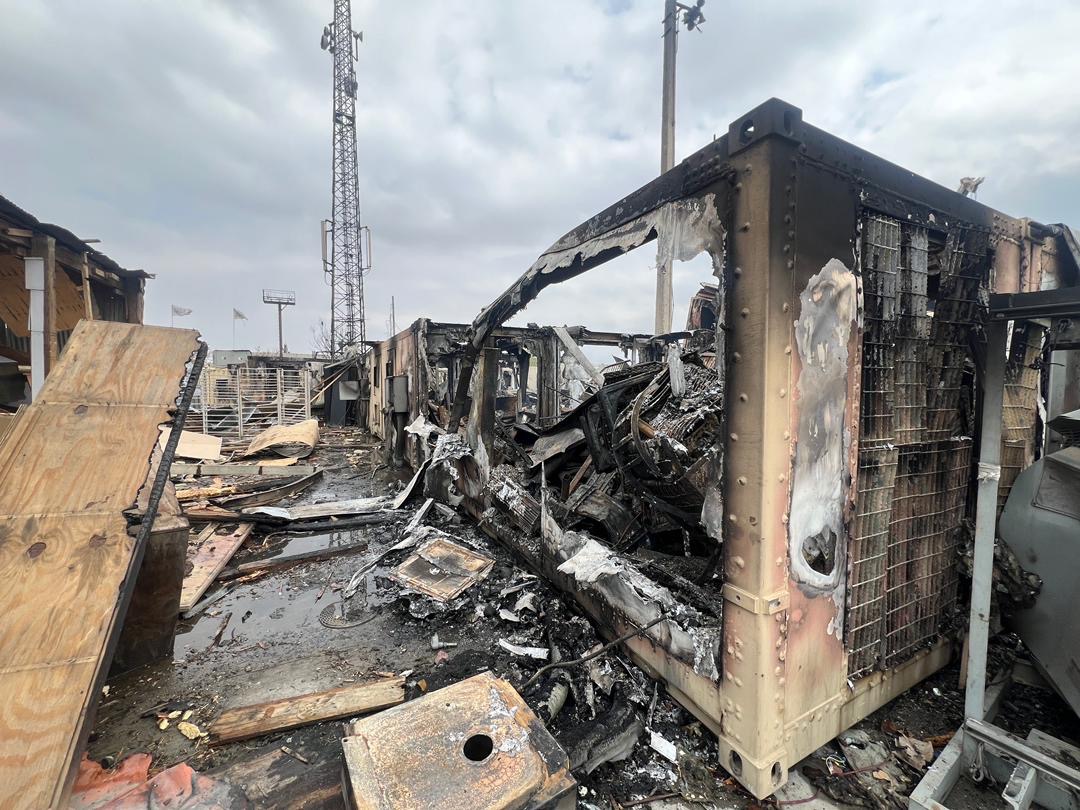
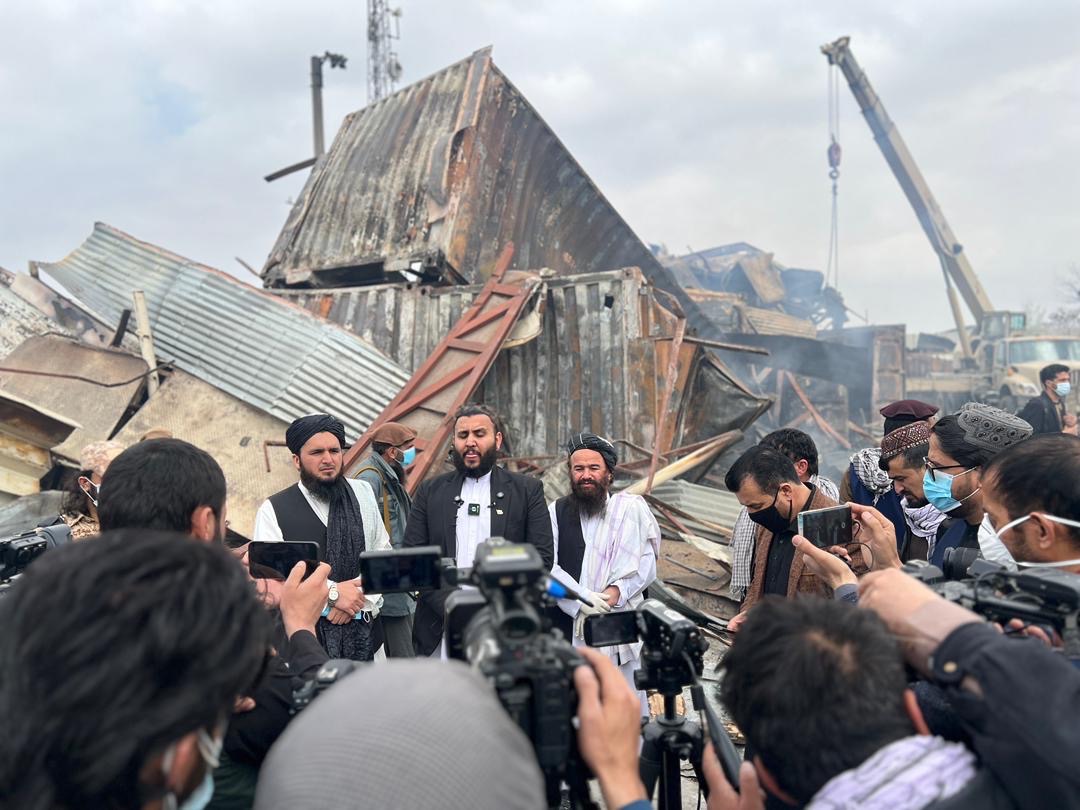
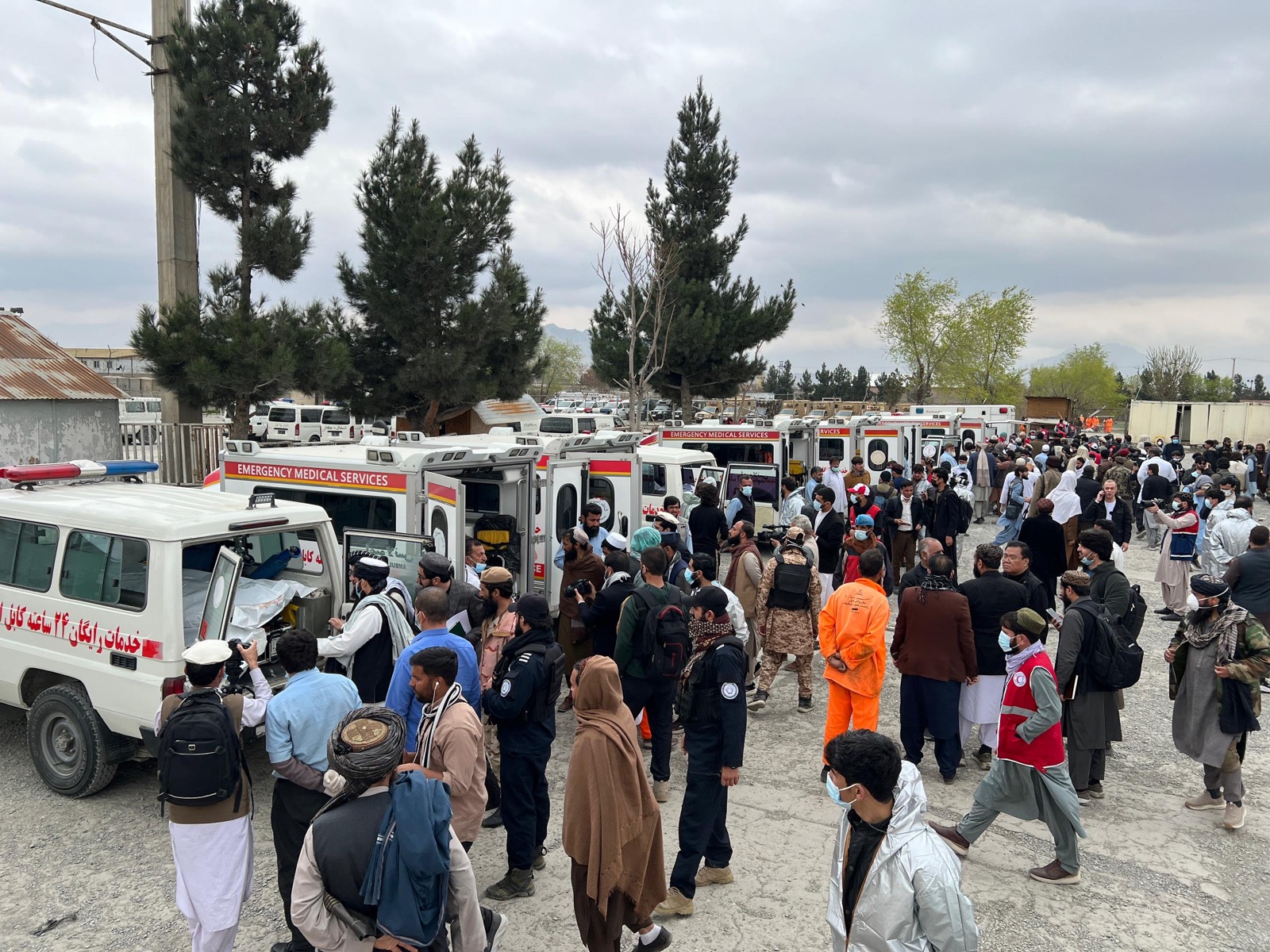
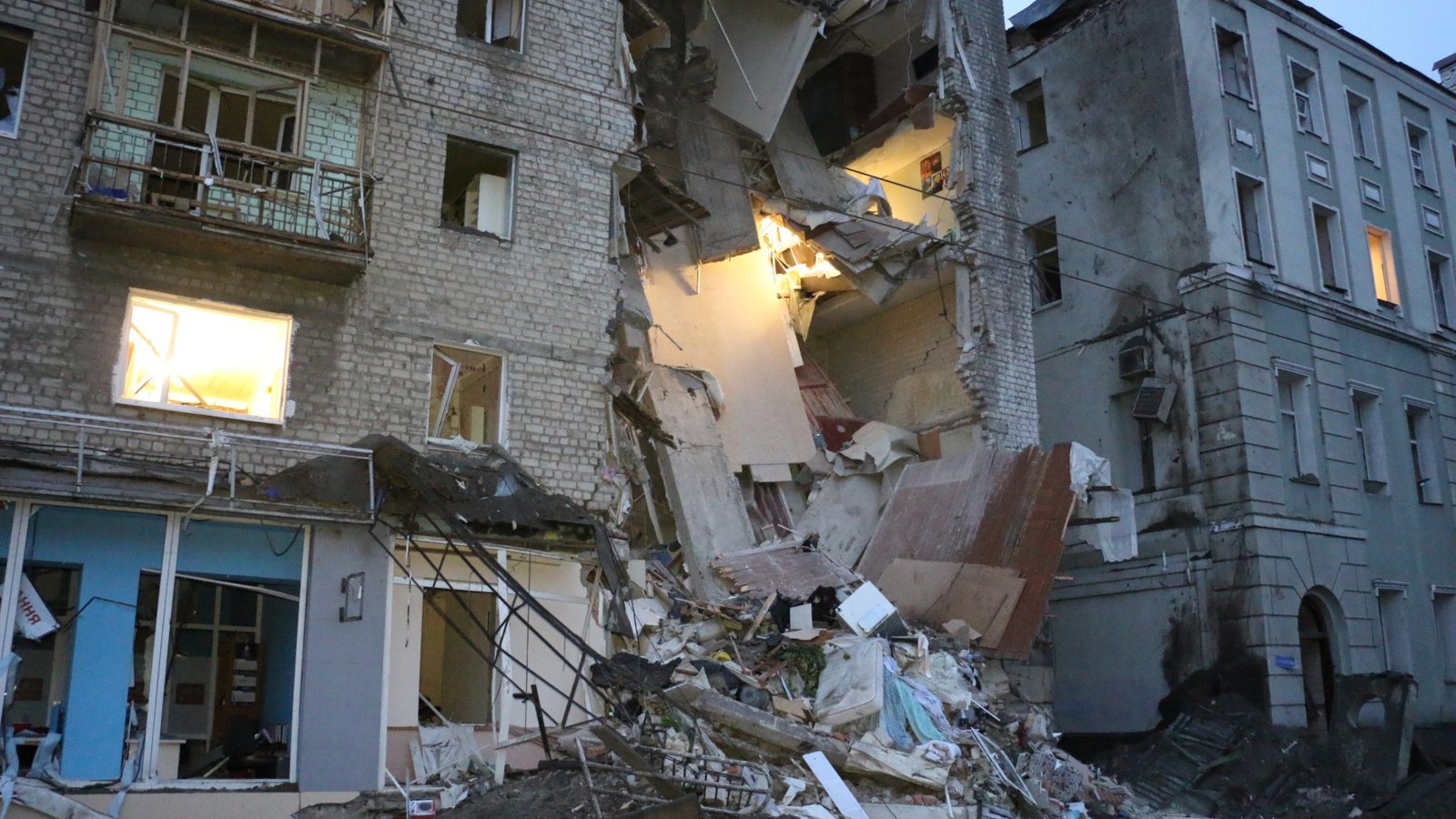
UNAMA has once again confirmed civilian deaths after Pakistani airstrikes in Afghanistan. In Kunar, a man, a woman and a girl were killed in the September attacks. Islamabad announced that it had hit militant hideouts and killed TTP fighters. The identities of those fighters have not been independently established, while the civilians have, as usual now, names, families and a place where they died. This is becoming the recurring imbalance in Pakistan’s Afghan war: the military declares its targets, others document its casualties. The September strikes are not an isolated case. Afghan civilians have repeatedly been killed in Pakistani operations, from the border provinces to the Omid drug rehabilitation centre in Kabul. Pakistan disputes accounts of what it hit and insists that it is attacking militants. It is of course possible for a strike to kill civilians and militants alike: but after so many documented civilian deaths, Islamabad cannot keep treating its stated intention as proof of its result. The question is who was actually hit, and why the evidence for the military’s claims remains so much harder to find than the evidence of civilian harm.
Pakistan’s military says it is bombing Afghanistan because the Taliban will not stop the TTP. That is the official narrative and only part of the explanation. The hidden part is that the military has failed to stop the TTP itself, and that for Rawalpindi an enemy across the border is politically more useful than an insurgency embedded in Pakistan’s own security landscape. There is no need to pretend that the Afghan dimension is imaginary. TTP militants have found refuge across the border, and Kabul has little appetite for a serious campaign against men whose ideology and history overlap with its own. Pakistan is entitled to demand that the Taliban prevent Afghan territory from being used to launch attacks. What it is not entitled to demand is that everyone accept Afghanistan as the complete explanation for a movement born in Pakistan, sustained by Pakistani grievances and capable of operating deep inside Pakistani territory. That distinction determines who must answer for the failure. If the TTP is simply exported from Afghanistan, the army can present itself as the country’s besieged defender. If the organisation also relies on local networks, commanders, supplies and freedom of movement inside Pakistan, the army becomes accountable for the security system it controls. Islamabad prefers the first question. Its citizens have reason to ask the second.
The death of Qari Amjad, also known as Mufti Mazahim, illustrates the problem. In October 2025, Pakistani forces killed the senior TTP figure in Bajaur. The military said he had been attempting to infiltrate from Afghanistan. Perhaps he had. But his death on Pakistani soil should have prompted a broader inquiry into the organisation’s presence there. Instead, even this operation was folded into the familiar account of a threat originating elsewhere. The same logic is applied to continuing militant activity in Kurram, Orakzai and other districts. Every attack becomes evidence against Kabul; remarkably few become evidence that Pakistan’s own counterinsurgency is failing. The airstrikes serve that argument as well as any military purpose. Islamabad announces that it has hit TTP hideouts and killed militants. The identities of those killed are seldom independently established. Afghan civilians, meanwhile, have repeatedly turned up among the documented dead. These facts do not prove that Pakistan has never struck a TTP target. They do expose the imbalance on which the official narrative depends: the intended target is asserted, while the civilian casualties must be explained away.
There is a domestic reason for this evasiveness. The Pakistani army claims a privileged position in politics on the grounds that it alone can guarantee national security. A persistent insurgency in Khyber Pakhtunkhwa is therefore more than an operational embarrassment. It challenges the institution’s claim to govern, directly or indirectly, in the name of protection. Striking Afghanistan restores the image of initiative. It supplies the public with an external adversary, ministers with a language of resolve and the generals with an answer to criticism that does not require them to account for their record. The advantage is temporary, which helps explain why the strikes recur. If bombing Afghan territory had broken the TTP’s operational capacity, Pakistan would not need to keep presenting each new raid as a decisive response to the latest attack at home. Instead, the sequence repeats: militants strike in Pakistan; the army points to Afghanistan; aircraft cross the border; civilian casualties are reported; the TTP remains. Islamabad calls this persistence proof that Kabul has failed to act. It is also proof that air power has not solved the problem Pakistan says it is using air power to solve.
Behind the immediate crisis lies the collapse of a much older calculation. Pakistan spent decades treating the Afghan Taliban as a means of securing influence in Kabul. Their victory in 2021 was supposed to end Pakistan’s western insecurity, diminish India’s reach and vindicate the doctrine of strategic depth. Instead, the Taliban proved unwilling to conduct Afghan policy according to Pakistani requirements. Islamabad now finds itself threatening and bombing the government whose return it once regarded as a strategic success. Pakistan has not confined its efforts to diplomacy or airstrikes. It has maintained contacts with anti-Taliban factions inside Afghanistan, seeking a means of pressuring Kabul through forces other than its own. The extent of its material support is difficult to establish publicly, but the political purpose is hardly obscure: if the Taliban will not accommodate Pakistan’s demands, Islamabad wants them to face pressure at home. So far, those groups have not altered the balance of power in Afghanistan. Direct military force is therefore becoming more attractive to a Pakistani establishment that can neither command the government in Kabul nor build an effective alternative to it. It is the measure of how far the doctrine of strategic depth has collapsed: Pakistan is now looking for ways to destabilise the very Taliban victory it once celebrated.
The Makkah Joint Defence Agreement makes Islamabad’s position more awkward. Pakistan has recently committed itself, alongside Saudi Arabia and Türkiye, to a regional security framework presented in the language of peace and stability. The agreement does not strip Pakistan of the right to defend itself. It does make the conduct and consequences of its operations a matter of greater political scrutiny. A state cannot advertise itself as a guardian of regional order and then expect civilian deaths across its border to disappear beneath an unverified announcement of militants killed. Nor can Kabul escape responsibility by pointing to those deaths. The Taliban know that their relations with the TTP are part of the crisis. Their denial gives Islamabad an argument it would otherwise have to work much harder to make. But the Taliban’s conduct does not absolve Pakistan’s generals of the consequences of their own strategy. Both sides would prefer a dispute about the other’s obligations to an examination of their own.
The timing makes the political uses of escalation harder to ignore. PTI has announced a march for 27 September demanding Imran Khan’s release, and Islamabad is preparing to prevent it. Khan’s sisters have already been detained. The generals face a challenge in the capital at the same time that they are presenting themselves as the nation’s defenders against Afghanistan. There is concern that a new incident could be attributed to Kabul and used to justify further military action. There is no established evidence of a plan to stage one, and any such claim would require proof. But an external security crisis would plainly serve a government trying to turn public attention away from a march it fears at home.
Pakistan’s generals are fighting a war in Afghanistan because they cannot impose their will on Kabul. They are also fighting a political battle at home because they cannot admit how little control they have achieved over the TTP. Airstrikes allow them to pursue both battles at once. They can punish an Afghan government that refuses to obey them and present that punishment to Pakistanis as proof of command. What they cannot do is make the evidence of their failure disappear.

Reader comments
Subscribers can join the conversationSign in to join the conversation. Comments are open to everyone with a free account.
Sign in or create accountLoading comments…