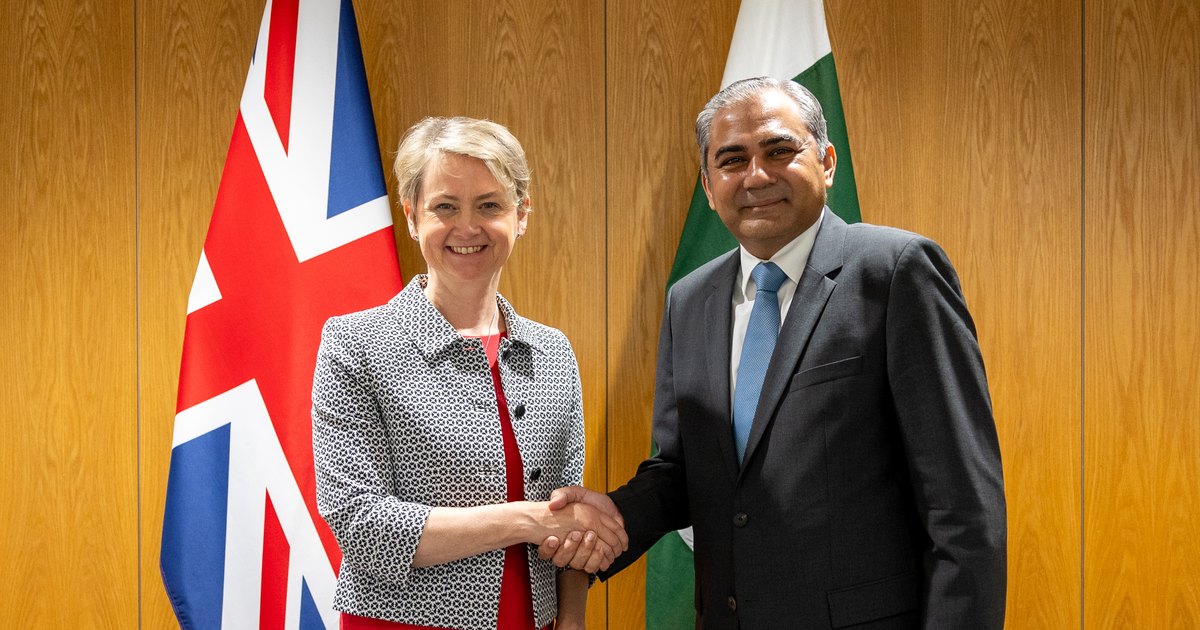
Pakistan has sent Interior Minister Mohsin Naqvi to Tehran in an effort to encourage Iran to resume negotiations with the United States, according to two officials cited by The Associated Press. The visit places Islamabad's mediation efforts back at the centre of a conflict that is reshaping the Gulf and South Asia's security environment.
Naqvi travelled to Tehran on Tuesday for meetings with Iran's foreign minister and other officials. Iranian Foreign Minister Abbas Araghchi posted photographs from a meeting with Naqvi on his private Telegram channel, providing a public indication that the visit took place. The officials who described its purpose spoke anonymously because they were not authorised to speak to the media.
The trip was reported as Naqvi's sixth visit to Iran as part of Pakistan's attempts to ease tensions between Tehran and Washington. AP reported that the immediate aim was to encourage Iran to return to negotiations under an interim peace arrangement brokered by Pakistan in June.
A consistent posture
The visit is consistent with Islamabad's public diplomatic posture. Pakistan's Foreign Ministry has repeatedly called for restraint and dialogue, and in a July briefing it described continuing outreach to Iran and other regional governments. That record does not establish that a new round of talks will begin, but it shows that Pakistan is seeking to keep the channel active while the main parties remain locked in confrontation.
Pakistan is unusually positioned for this role. It shares a long border with Iran, has ties with Gulf Arab states and maintains a close strategic relationship with the United States. Those connections give Islamabad access to several capitals at once. They also impose limits: Pakistan must avoid appearing to take sides, while any mediation effort is vulnerable to the priorities of larger powers and the pressure of military events.
What each side gains
For Tehran, contact with Pakistan can offer a route to communicate without accepting a direct negotiation on terms set by Washington. For the United States, Pakistani involvement may provide a way to test whether Iran is willing to discuss a pause or an interim arrangement. Neither possibility guarantees a breakthrough. A channel can remain open while the positions inside it move further apart.
The timing is significant. The Strait of Hormuz is under pressure, attacks are affecting shipping around Yemen and the regional conflict is pulling in more military resources. Every additional incident makes diplomacy harder, but it also increases the cost of leaving diplomacy unused. Pakistan's repeated visits suggest that Islamabad sees an opportunity in that contradiction.
An unresolved route
The immediate result of Naqvi's trip remains unclear. No new negotiations were announced in the AP report, and the visit's objectives were attributed to officials rather than set out in a formal joint statement. The most defensible conclusion is therefore narrow: Pakistan is still trying to mediate, Iran received the Pakistani minister and the route back to direct Iran-U.S. talks remains unresolved.

Reader comments
Subscribers can join the conversationSign in to join the conversation. Comments are open to everyone with a free account.
Sign in or create accountLoading comments…