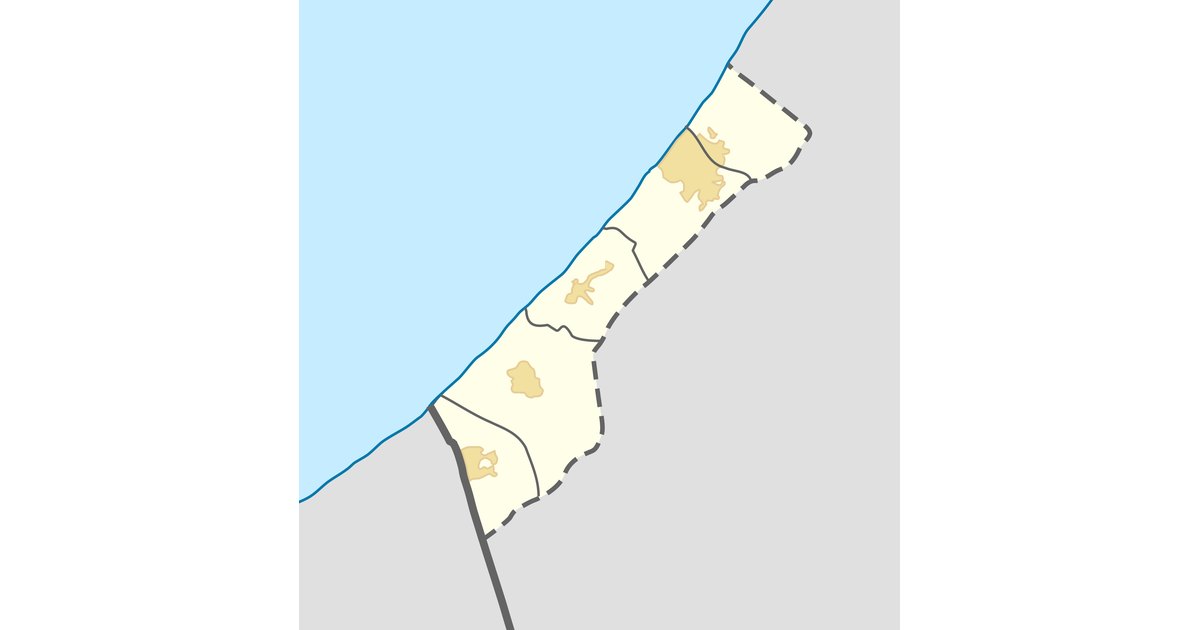
Israeli Prime Minister Benjamin Netanyahu has rejected the latest 15-point US-backed framework for Gaza, saying Israeli forces will not withdraw further until Hamas has been fully disarmed.
The intervention exposes the central dispute in a process Washington has promoted as the route to a new stage of the Gaza settlement. The framework links the surrender of Hamas weapons to a phased Israeli withdrawal, while Netanyahu insists the weapons question must be settled first.
The dispute is over sequence
Israel argues that withdrawing before Hamas loses its military capability could allow the group to rebuild or exert pressure on a new Palestinian administration. Netanyahu has said Israel is prepared to resist proposals it considers incompatible with its security requirements, even while talks with the United States continue.
The US-backed approach is built around reciprocal stages rather than requiring one side to complete every obligation before the other begins. That makes sequencing more than a technical detail: it is the mechanism intended to prevent either party from giving up leverage without receiving something in return.
Hamas says Israel must move first
Hamas officials have argued that Israel must halt attacks and meet withdrawal commitments before the weapons question is completed. The group has used language about weapons being handed over or stored under a new Palestinian administrative arrangement rather than accepting Israel's description of unconditional disarmament.
Those formulations leave a further argument over what disarmament means in practice. Destroying weapons, surrendering them to an outside authority and placing them under controlled storage would produce different security arrangements even if each were described as demilitarisation.
Washington remains in the middle
The United States is trying to move Gaza from an unstable military arrangement towards civilian administration and reconstruction. A new governing structure would need enough authority to operate without Hamas retaining coercive power, while also demonstrating that it is not simply functioning beneath an open-ended Israeli military presence.
That tension explains why the next stage remains fragile. The parties may now be closer on the broad destination than on the order of the steps required to reach it. Netanyahu's rejection shows that the fate of the framework may depend on whether Washington can persuade both sides to move without believing they have surrendered their remaining leverage.

Reader comments
Subscribers can join the conversationSign in to join the conversation. Comments are open to everyone with a free account.
Sign in or create accountLoading comments…