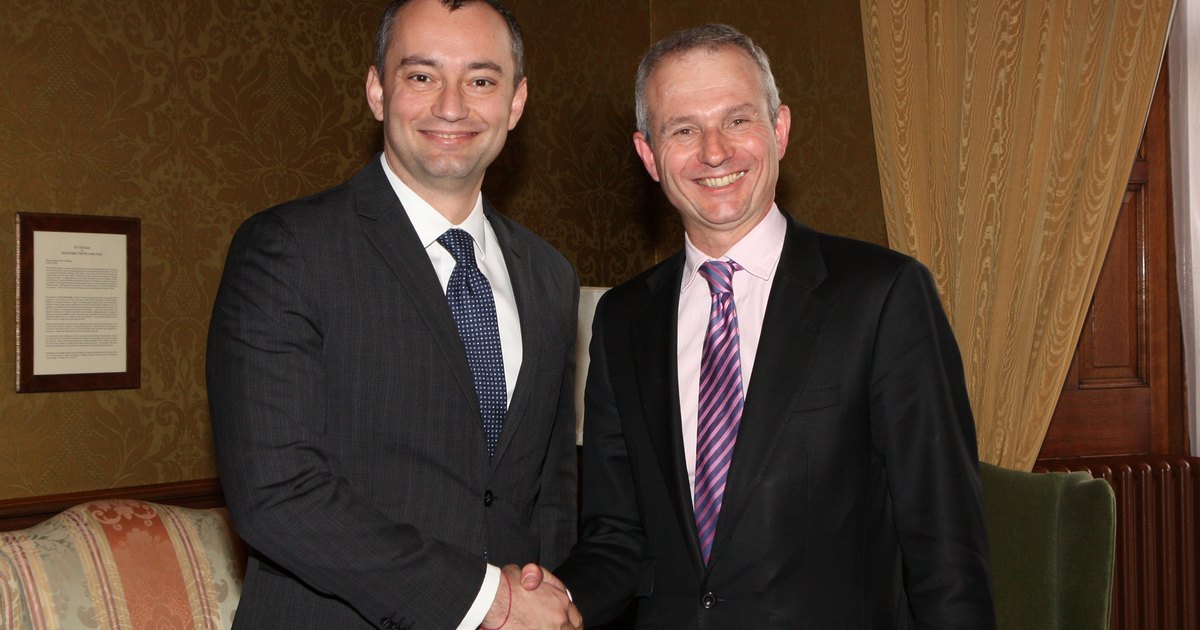
Jared Kushner, Nickolay Mladenov and Tony Blair are preparing to travel to Israel and Egypt next week as the Trump administration tries to revive a stalled plan for ending the war in Gaza, according to an official with the Board of Peace.
The group is expected to arrive in Israel on Sunday before travelling to Cairo. The meetings would include contacts with a Palestinian technocratic group that has been involved in preparations for a possible transition of civilian administration in Gaza, The Associated Press reported. The official cautioned that travel plans were not yet finalised.
Who is travelling
The diplomatic team brings together the central figures of the U.S.-backed framework. Kushner is President Donald Trump's son-in-law and negotiator. Mladenov is the Board of Peace's high representative for Gaza, while Blair is an executive board member and former British prime minister. The Board's own membership record lists all three among the Gaza Executive Board's members.
The purpose of the trip is to demonstrate that Washington and its partners still intend to implement a plan built around demilitarisation, a transfer of civilian authority and reconstruction. The White House says the Board of Peace is meant to coordinate governance, security and international resources as Gaza moves away from war. In practice, however, the political sequence has become the central dispute.
The sequencing deadlock
The administration's recent deal proposed that Hamas disarm and that Israel withdraw its forces from Gaza. Hamas has accepted the plan, according to AP reporting, but Israeli Prime Minister Benjamin Netanyahu has said Israel will not withdraw until Hamas has completely disarmed. That difference turns a political timetable into a security deadlock: each side wants the other's most consequential concession first.
The disagreement also exposes the limits of diplomacy conducted through institutional design. A new technocratic administration and an international stabilisation force can be proposed on paper, but neither can operate without agreement on who controls security, who can enter the territory and how armed groups are to be dealt with. The framework therefore depends on decisions that the parties have so far refused to make simultaneously.
Why Cairo matters
Cairo is an important venue because Egypt borders Gaza and has been central to regional mediation. Meetings there can clarify how a transitional Palestinian structure might function and how humanitarian access and reconstruction would be organised. They cannot, by themselves, resolve the question of military control, which remains tied to Israel's demand for disarmament and Hamas's insistence that the war's terms change first.
The coming visit should therefore be read as a diplomatic test rather than a settled breakthrough. If the team can narrow the sequencing dispute, it may create a path toward the next phase of the ceasefire framework. If not, the trip will underline how far the political architecture of Gaza remains ahead of the agreement needed to make it real.

Reader comments
Subscribers can join the conversationSign in to join the conversation. Comments are open to everyone with a free account.
Sign in or create accountLoading comments…