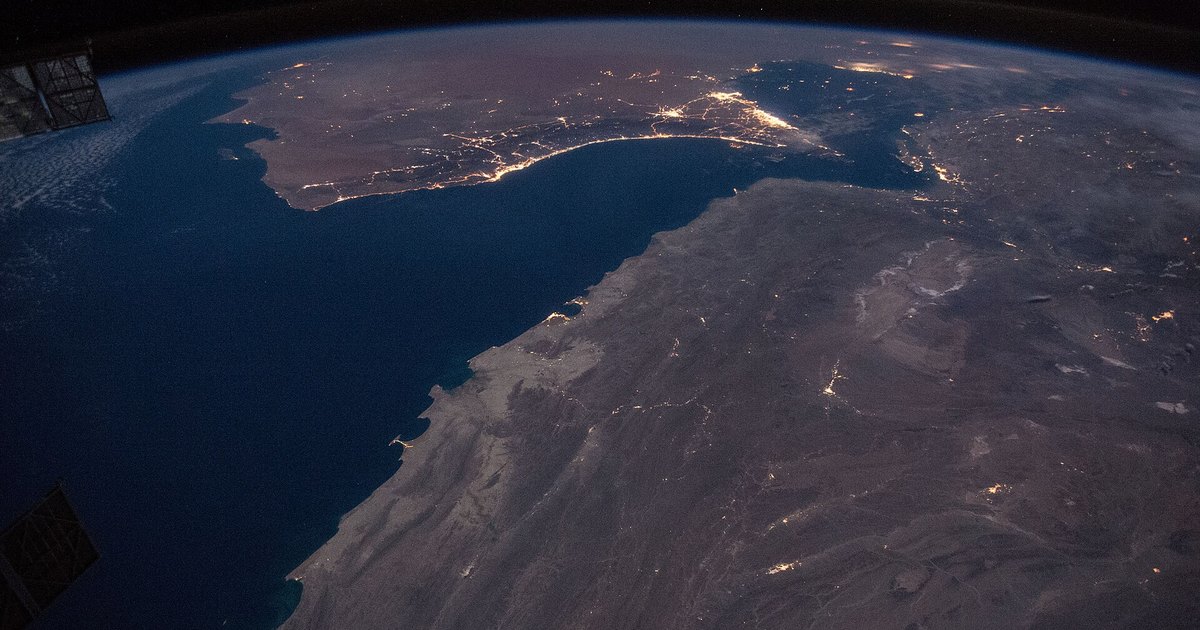
Iran has set a sweeping list of political, military and economic conditions for fully reopening the Strait of Hormuz, even as Tehran and Muscat say they are close to agreement on the narrower question of how ships could transit the waterway.
Iran's Supreme National Security Council said full reopening depends on a change in US behaviour. Its demands include an end to threats and military action, the lifting of the naval blockade on Iranian ports, US military withdrawal from the region, compensation for war damage, sanctions relief and the release of frozen Iranian assets.
A much wider bargain
The scale of the conditions shows that Tehran is treating the strait as leverage in the wider US-Iran confrontation rather than as a standalone maritime dispute. There was no immediate US acceptance of the terms, several of which belong to the longer political and economic negotiations rather than to the technical management of shipping.
A narrower navigation deal with Oman
At the same time, Iranian Foreign Minister Abbas Araghchi said talks with Oman were close to agreement on navigation and the determination of a transit route. Oman has described the discussions as positive and constructive while continuing to call for safe passage and freedom of navigation under international law.
The two coastal states have been working through a joint mechanism covering navigation, maritime services and the future administration of the route. That creates two negotiations moving at different speeds: a technical arrangement on where ships can travel may be near completion, while a political settlement capable of restoring normal traffic remains much further away.
Shipping remains under pressure
Commercial traffic through Hormuz remains far below normal levels. Because the strait is one of the world's most important routes for oil and liquefied natural gas, disruption feeds quickly into freight costs, insurance premiums, tanker scheduling and energy prices.
The security risk was underlined when the United Arab Emirates said a vessel owned by state energy company ADNOC had been targeted by an Iranian missile. ADNOC reported no casualties. UK Maritime Trade Operations separately reported a projectile strike and fire east of Khasab, Oman, but it was unclear whether the reports described the same vessel.
A route is not the same as reopening
A limited transit arrangement could reduce immediate pressure on shipping without resolving the conflict that produced the closure. For companies, the test is whether passage becomes safe and predictable. For governments, the dispute still reaches into sanctions, military posture, coastal sovereignty and the wider terms of a US-Iran settlement.
That distinction is likely to define the next stage of diplomacy. The technical work of establishing a route may be close to completion, but restoring one of the world's most important trade corridors now depends on a much larger bargain.

Reader comments
Subscribers can join the conversationSign in to join the conversation. Comments are open to everyone with a free account.
Sign in or create accountLoading comments…