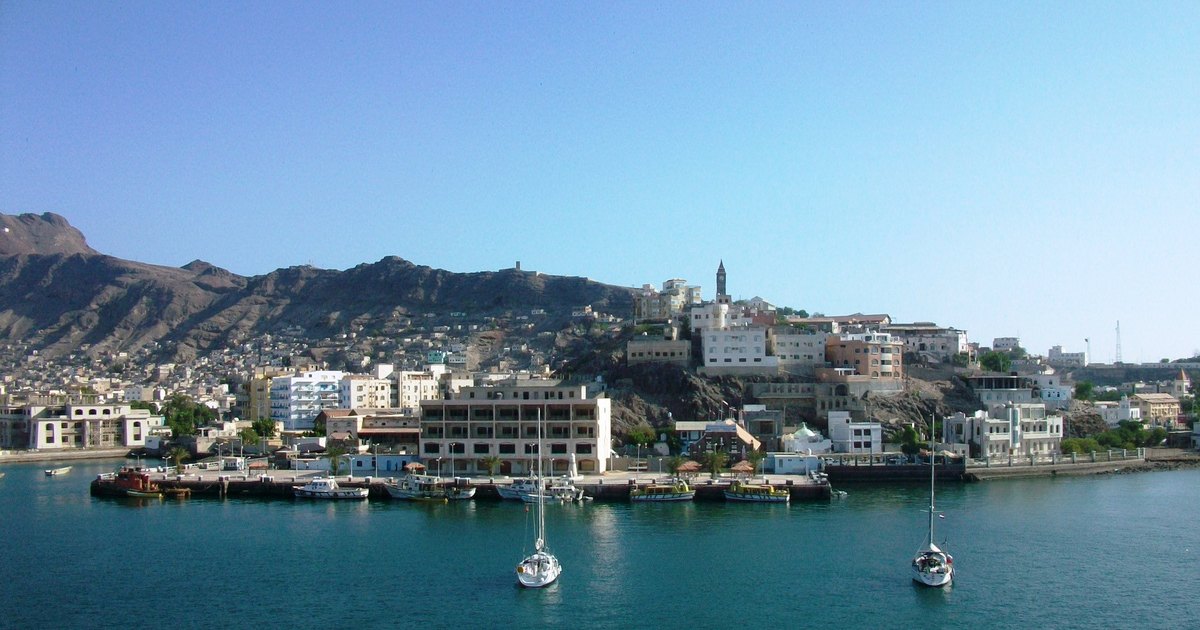
Fighting between Iran-backed Houthi rebels and Yemen's internationally recognised government forces has intensified, raising fears that the country's long-running civil war could reopen as a separate front in the wider Middle East conflict.
At least one government soldier was killed and another was critically wounded in clashes in Taiz province, Yemeni military officials told The Associated Press. The fighting was part of a series of recent Houthi attacks on government-held areas. The Yemeni military said dozens of government troops had been killed since the previous week, a claim that was not independently established in the report.
The Houthis also said they launched another drone attack on an Aramco oil refinery in the Saudi city of Jazan. Saudi officials had not immediately commented on that report. The claim followed an earlier Houthi attack on the refinery that, according to Saudi energy authorities, caused a fire but no casualties.
A strategic coastline
The separate developments show why Yemen remains strategically important even when its internal front lines are relatively quiet. The country sits beside the Bab el-Mandeb Strait, the southern gateway to the Red Sea. With the Strait of Hormuz under severe pressure, any further disruption around Yemen could force more vessels to avoid one of the world's major trade corridors.
The danger is not limited to maritime traffic. A revival of ground fighting would deepen the fragmentation of a conflict that has already divided Yemen between Houthi-held areas and territories controlled by an internationally recognised government and its partners. It would also complicate efforts to preserve the de facto truce that has reduced the intensity of the civil war since 2022.
Shifting incentives
The regional war has changed the incentives around that truce. The Houthis have presented themselves as an armed actor able to pressure Saudi interests and influence shipping routes, while Saudi Arabia and the government forces it supports face pressure to contain attacks before they become a sustained campaign. Each side can therefore see escalation as a way to gain leverage, even if a wider war would carry high costs.
The humanitarian consequences would be immediate. New fighting would threaten roads, ports and access routes in a country where millions already depend on aid and where civilian infrastructure has been degraded by years of conflict. Any disruption to the Red Sea would add an international economic cost to a local humanitarian emergency.
What is confirmed
For now, the confirmed picture is of a sharp increase in reported clashes, a soldier killed in Taiz and new Houthi claims about a Saudi target. The scale of the escalation remains uncertain. The key indicators will be whether fighting spreads beyond the current areas, whether Saudi Arabia confirms further damage and whether commercial vessels receive new warnings around the Bab el-Mandeb route.


Reader comments
Subscribers can join the conversationSign in to join the conversation. Comments are open to everyone with a free account.
Sign in or create accountLoading comments…