What was found
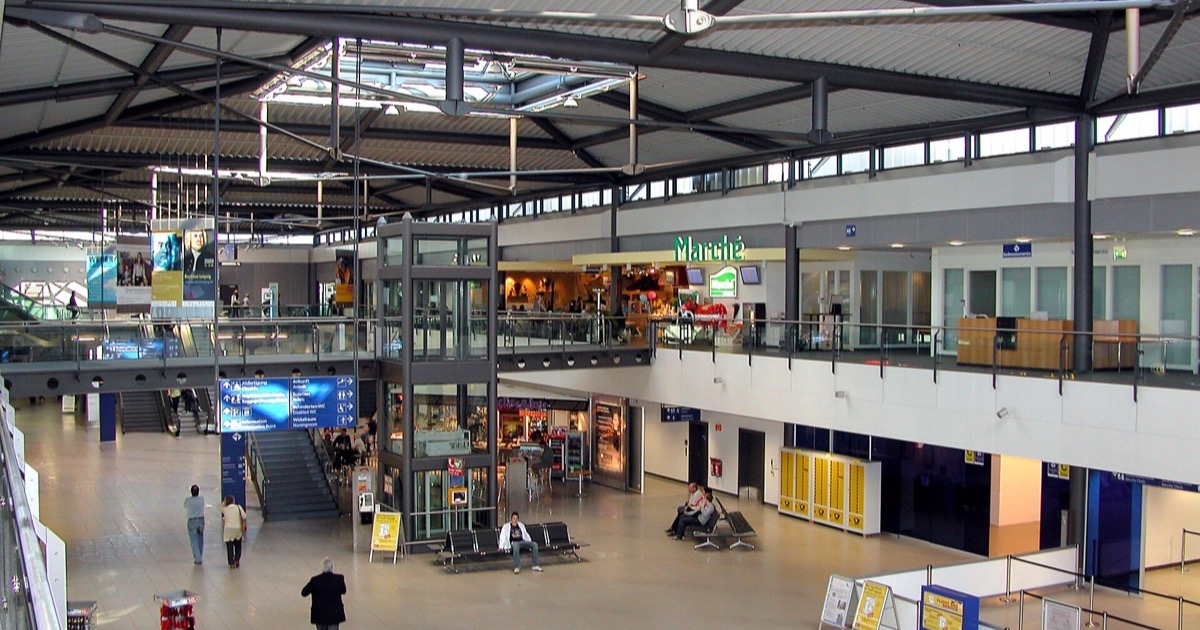
German police are investigating an explosive-equipped drone discovered beside a runway at Leipzig/Halle Airport, one of Europe’s most important air-freight hubs. The device was located on airport grounds and contained an explosive component and a detonator, according to authorities cited by the Associated Press. A police robot was used to remove the detonator, allowing specialists to secure the object without a reported explosion or injury. The discovery prompted a temporary closure of the airport’s runways. One passenger flight was redirected while emergency teams dealt with the device, although the airport’s cargo operations and wider schedule were later able to continue.
A second airborne incident
Investigators are also examining a separate event in which a freight aircraft collided with an unidentified object in the air. The two incidents occurred in the same airport environment, but authorities had not established that they were connected. That distinction is important. The evidence available at the time of preparation supports reporting an explosive-equipped drone on the ground and a separate collision involving a cargo aircraft. It does not yet support a conclusion that the drone struck the aircraft or that a coordinated attack took place.
Why Leipzig/Halle matters
Leipzig/Halle is a major cargo gateway and a central hub for DHL. Its location and around-the-clock freight operations make it an important part of European logistics, connecting manufacturers, retailers and express-delivery networks across the continent. An incident at such a site therefore raises questions beyond one airport. Security teams must protect passenger operations, freight aircraft, warehouses, fuel facilities and long perimeter areas while keeping a time-sensitive logistics network moving.
What investigators do not know
The origin of the drone, the identity of its operator and the motive behind the device remained unknown. Authorities had not announced an arrest or publicly attributed the incident to a state, criminal group, activist organisation or individual. The investigation will need to examine the drone’s components, flight data, possible control links, fingerprints and traces of explosives. Airport surveillance, radar records and the damaged freight aircraft may also help determine whether the events were connected.
A wider aviation-security problem
Commercial drones have become cheap, capable and difficult to detect. Most are used legally, but the same technology can disrupt airports, observe protected sites or carry dangerous payloads. That creates a security challenge in which authorities must distinguish careless operators from deliberate threats without shutting down airspace unnecessarily. For now, the immediate danger has been contained. The larger story is unresolved: whether the device was an isolated act, part of a broader plot or unrelated to the airborne collision. Until investigators provide evidence, those possibilities must remain clearly separated.



Reader comments
Subscribers can join the conversationSign in to join the conversation. Comments are open to everyone with a free account.
Sign in or create accountLoading comments…