Rescuers race the clock
Rescue teams are working through collapsed buildings across western Colombia after a magnitude-7.4 earthquake struck the country on Monday, with the reported death toll rising above 240 as families continue to search for missing relatives.
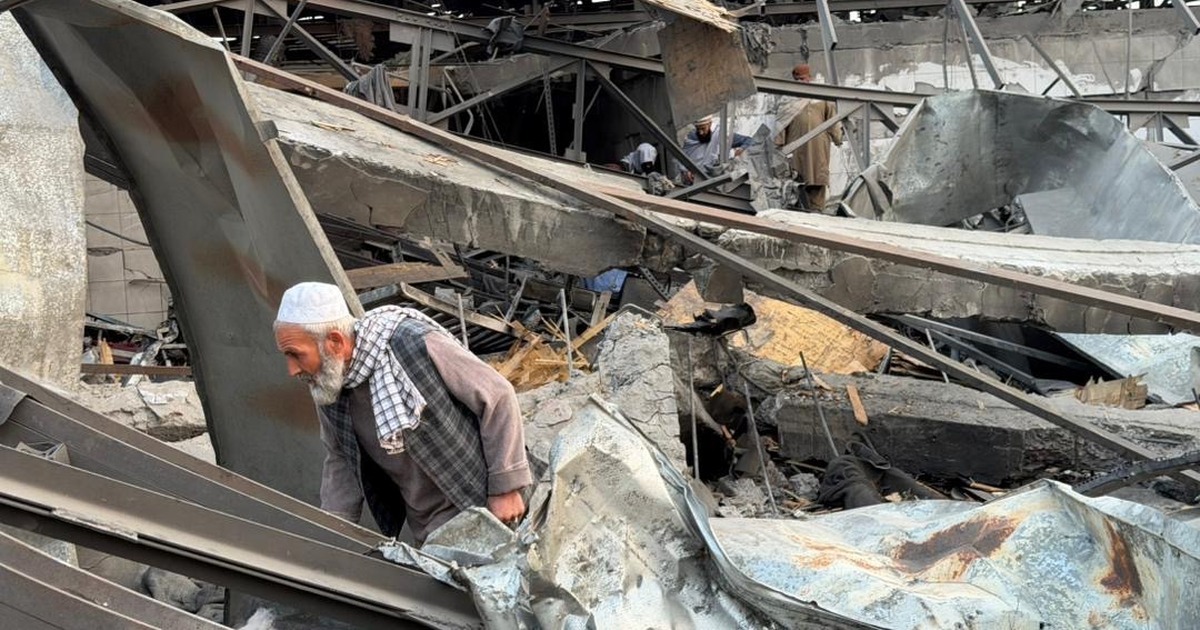
The most urgent work is concentrated in cities including Cali and Pereira, where emergency crews have been digging through unstable structures and listening for signs of life. The first days after a major collapse are critical because survivability can fall rapidly as trapped people face injuries, dehydration, dust and shifting rubble.
Teams have continued to report rescues from damaged buildings, giving families hope even as the scale of destruction becomes clearer.
The first days after a major collapse are measured in hours: rescue teams are trying to reach survivors before injuries, dehydration and unstable rubble close the window.
A toll that is still moving
The numbers remain difficult to reconcile. The latest published Guardian tally put the number of deaths at at least 240 and said more than 3,000 people were missing. An Associated Press report using earlier government figures listed 181 deaths, 2,595 injuries and 195 people officially missing, while noting that civilian databases contained far larger numbers of names.
Those differences do not necessarily contradict one another. Disaster figures can change hour by hour as hospitals, local authorities, rescue teams and families consolidate separate lists. Missing-person databases can also include duplicates or people who are temporarily unreachable.
For that reason, the most reliable picture is not a single final number but a rapidly rising toll and an active search across several heavily affected cities.
Pereira and Cali among the hardest hit
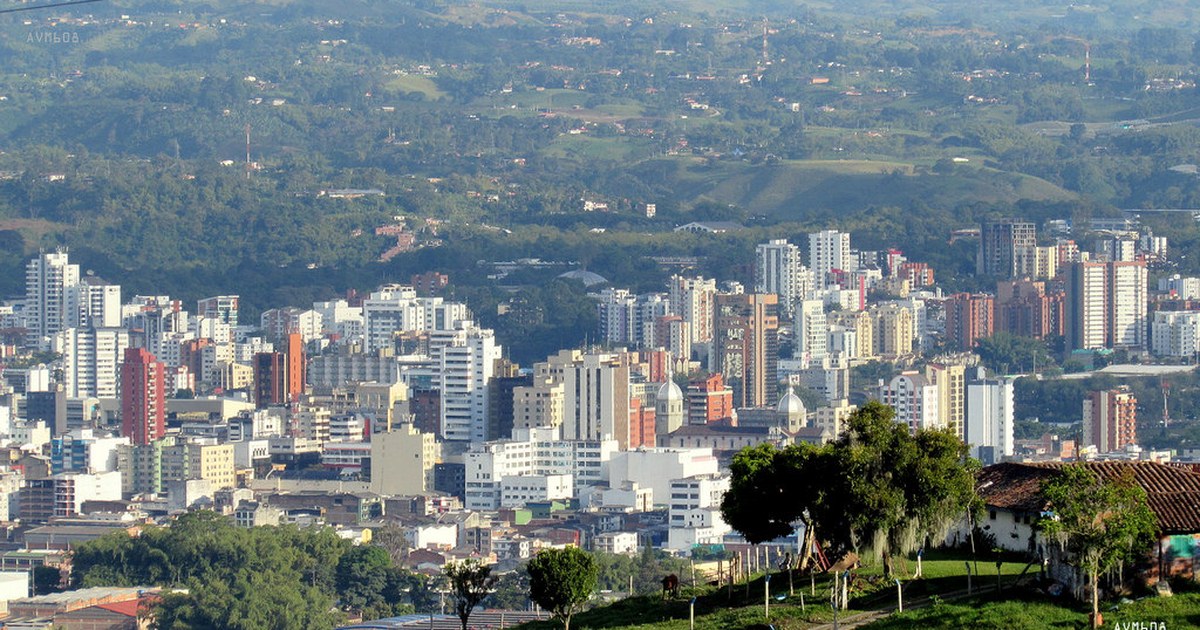
Pereira, in Colombia's coffee-growing region, has suffered major building damage and fatalities. Cali has also recorded collapsed structures and intensive search operations, while Manizales, Quibdo and communities closer to the epicentre have reported damage of varying severity.
Thousands of residents have been displaced into temporary shelters, including schools, parks and other public spaces. The response now has to combine rescue work with medical care, clean water, temporary housing and inspections of buildings that may still be unsafe.
A first major test for a new government
The earthquake struck only days after President Abelardo de la Espriella took office, turning a political transition into an immediate national emergency. The government has declared emergency measures, mobilised security forces and coordinated international assistance.
The United States has pledged more than $15 million in support, while Mexico, El Salvador and other regional partners have offered assistance. Colombia also has humanitarian organisations with existing operations in areas affected by conflict and displacement, allowing some teams to redirect staff and supplies quickly.
The rescue phase remains the priority. After it comes a longer challenge: accounting for the missing, assessing thousands of buildings and rebuilding communities while preserving a transparent record of how the disaster was handled.


Reader comments
Subscribers can join the conversationSign in to join the conversation. Comments are open to everyone with a free account.
Sign in or create accountLoading comments…