
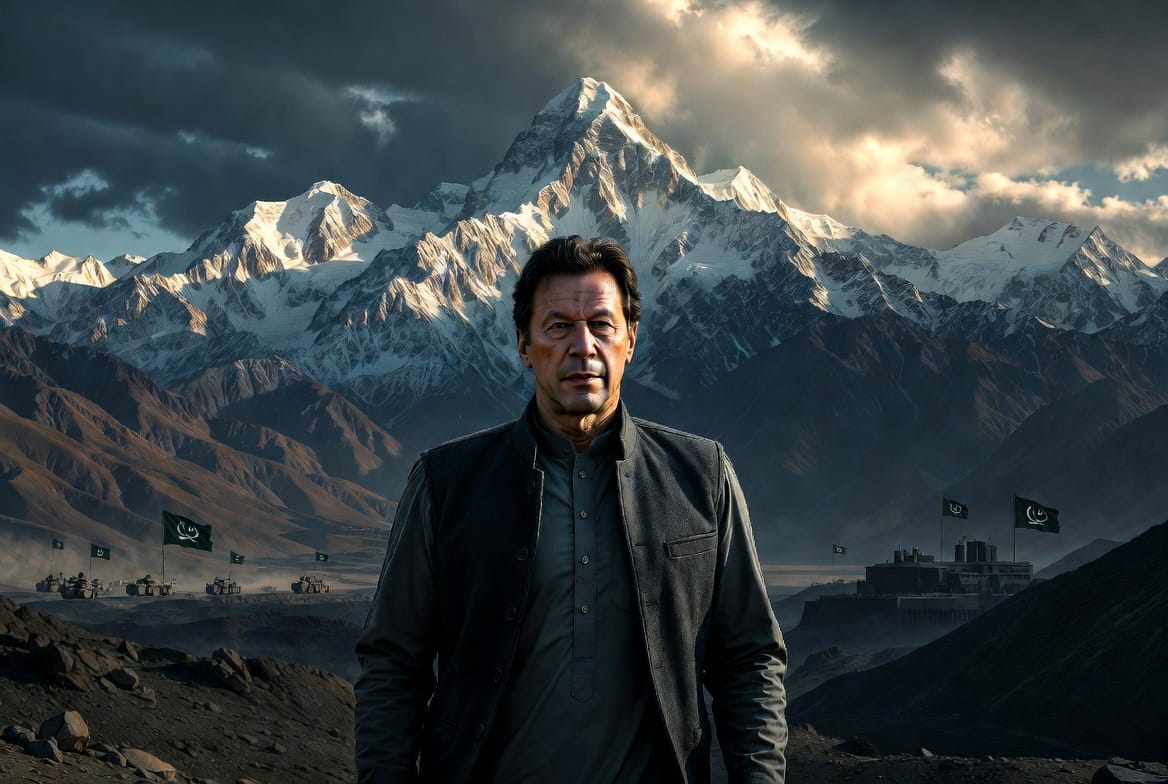
Imagine waking up to headlines about viral memes, the thumping PSL anthem echoing across cities, celebrity gossip, and the excitement of school holidays, instead of the relentless drumbeat of tragedy. For many Pakistanis, that was daily life during Imran Khan’s tenure as Prime Minister from 2018 to 2022. It was a time of national pride, when the country boldly promoted its breathtaking landscapes, rich heritage, and mouth-watering cuisine to the world. Tourists began flocking in greater numbers, drawn by eased visas, streamlined policies, and the Pakistan Tourism Summit. For once, Pakistan was not just surviving in the headlines. It was shining.
This was no accident. It flowed from a clear vision and tangible action on the ground.
A Leader with a Bold Vision
Imran Khan built the Pakistan Tehreek-e-Insaf (PTI) around a transformative ideology: turning Pakistan into a modern Islamic welfare state modelled on Riyasat-e-Madinah. Rooted in justice, meritocracy, anti-corruption, and care for the vulnerable, his message rejected dynastic politics in favour of real empowerment for the youth and the common citizen. He challenged the entrenched status quo with a promise of dignity, sovereignty, and self-reliance.
That vision delivered results. Major social welfare schemes such as the expanded Ehsaas Programme, Panahgahs offering free food and overnight shelter for the homeless, and the Sehat Sahulat health card providing free medical treatment brought relief to millions. Imran Khan was the only prime minister in the nation’s history to leave the treasury full, with foreign reserves in a strong position at the end of his term.
During Khan’s time, when the judiciary enjoyed relative independence, Maryam Nawaz was convicted of lying on oath and her father Nawaz Sharif was found guilty of corruption. Khan embodied clean, accountable governance unlike today’s courts, widely seen as compromised and held hostage by the ISI and Field Marshal Asim Munir.
Yet Shehbaz Sharif, Nawaz Sharif’s brother, suddenly assumed power in April 2022, just days before his and his family’s long-pending corruption cases were due to be heard in court (what a coincidence). Widespread reports suggested that the Sharif brothers struck a deal with then-Army Chief Bajwa, who had initially promoted Khan’s meeting with Putin only to use it against him, creating the perception among the Americans that Imran Khan was tilting toward Russia and paving the way for the ouster.
A Regime Change That Changed Everything
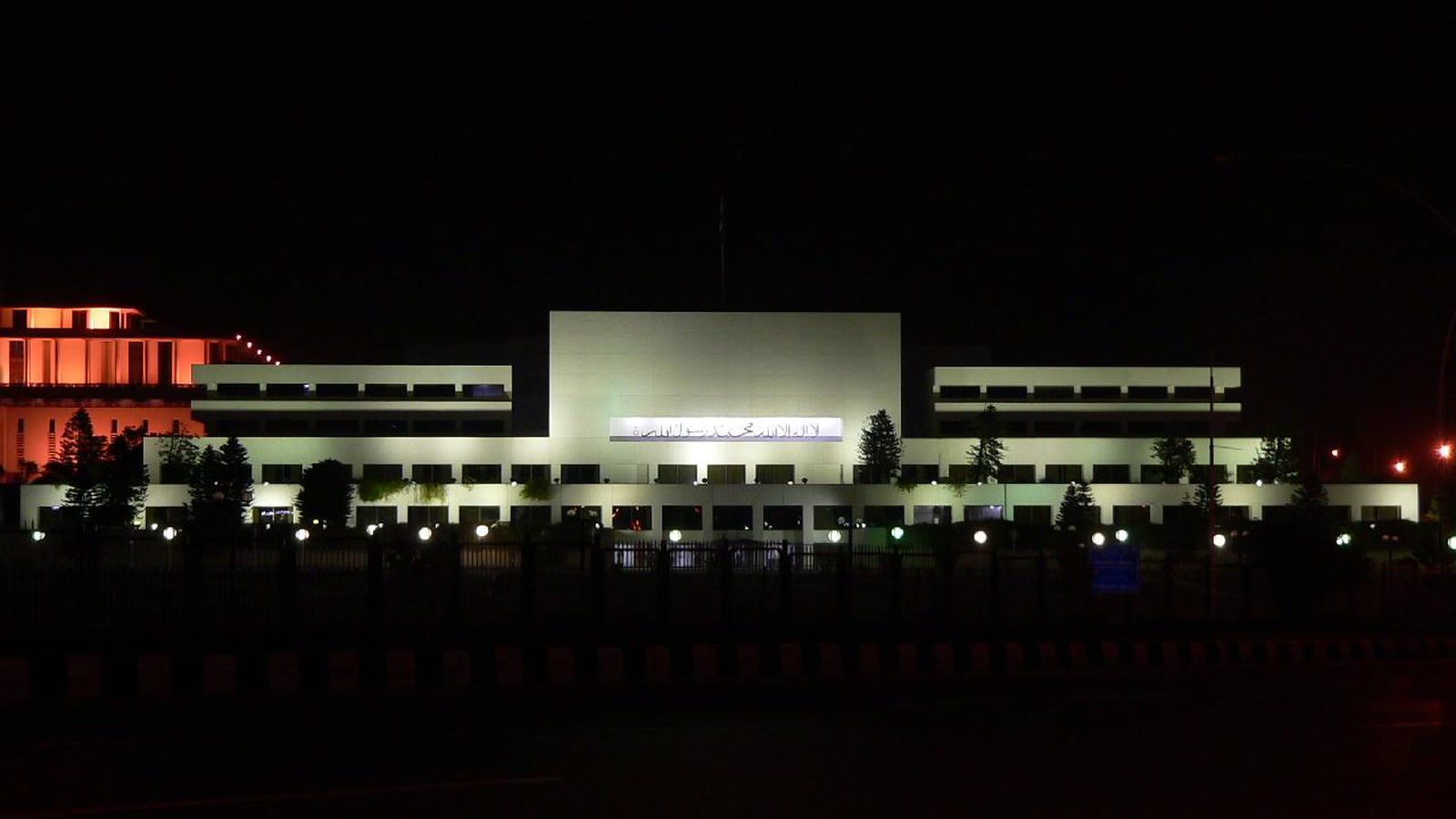
In April 2022, Khan’s government was ousted through a no-confidence motion in Parliament. This was a proven foreign-backed regime change, documented through leaked diplomatic cables and subsequent revelations. What followed was a sharp reversal of momentum.
The parties that assumed power after the heavily rigged 2024 elections, aided by military interference, quickly targeted the very programmes that had helped the poor. In Punjab under Maryam Nawaz, Panahgahs faced demolition and the health card programme saw major rollbacks, stripping away safety nets that had become lifelines for ordinary citizens.
Meanwhile, the rest of the incompetent government, selected not on merit but on personal terms and dynastic politics, including Shehbaz Sharif, has largely failed to deliver meaningful relief for the people and country, often committing embarrassing mistakes while operating under the dominant influence of his military patron, Field Marshal Asim Munir.
Today’s Harsh Realities
The contrast is painful. Mornings now often begin with news of murders, child rapes, terrorism, inflation, unemployment, or fresh tragedies. The vibrant, hopeful energy of the earlier years has been replaced by anxiety and hardship. The tourism boom and sense of national confidence have given way to survival mode.
Khan has been imprisoned since 2023 on over 180 cases that supporters denounce as politically motivated and illegal. His health has deteriorated, including serious eye issues, while countless PTI workers face, harassment, arrests physical and mental torture, and Imprisonment.Even overseas, transnational repression targets diaspora voices through family intimidation, threats, and legal harassment, simply for demanding his release and democratic restoration.
Why Millions Still Believe in Imran Khan
To his supporters, who form the clear majority both inside the country and among the diaspora, Imran Khan remains the undisputed leader capable of saving Pakistan. This belief was reinforced by the 2024 election results: initial Form 45 (polling station-wise results) showed PTI-backed independents winning by a huge, clear margin in many constituencies.
Despite massive alleged rigging and through later Form 47 consolidations, Maryam Nawaz’s party secured only around 18 seats in key contests. Khan's popularity endures because he delivered when others did not: welfare for the masses, pride on the global stage, and a refusal to compromise on sovereignty. Supporters see his ouster and continued detention not as the end of a chapter, but as proof of how threatening real change remains to the old order.
The Road Back to Pride and Progress
Pakistan possesses extraordinary potential in its resilient and hospitable people, majestic landscapes, vibrant culture, and irresistible food. Things were not perfect during Khan’s tenure, but genuine improvements were underway with serious, systemic efforts that went far beyond surface-level or cosmetic fixes. In contrast, the current approach under figures like Maryam Nawaz often appears limited to superficial gestures while core welfare initiatives are dismantled.
Reclaiming that era of normalcy, pride, and progress demands accountability, justice, and unified determination. Imran Khan’s ideology, welfare, merit, and putting Pakistan first, continues to ignite hope across generations. The question is no longer whether the country can rise again, but when its people will demand the leadership that Imran Khan represents to bring Imran Khan back to make it happen.
The story of Pakistan is still being written. The desire for better days burns strong, and the memory of when it felt possible keeps the flame alive.
Reader comments
Subscribers can join the conversationSign in to join the conversation. Comments are open to everyone with a free account.
Sign in or create accountLoading comments…