
RAWALAKOT, PAKISTAN-ADMINISTERED KASHMIR A dual-track strategy of coerced mediation and intelligence-engineered insurgency has pushed Pakistan-administered Kashmir into an unprecedented security crisis. As civilian rebellion reaches its 172nd consecutive day across the territory, two distinct but intertwined developments in Rawalakot indicate that Pakistan’s Inter-Services Intelligence (ISI) is orchestrating pretexts for a high-intensity military crackdown.
The Phantom Rebellion: An Ex-Soldier's Declaration
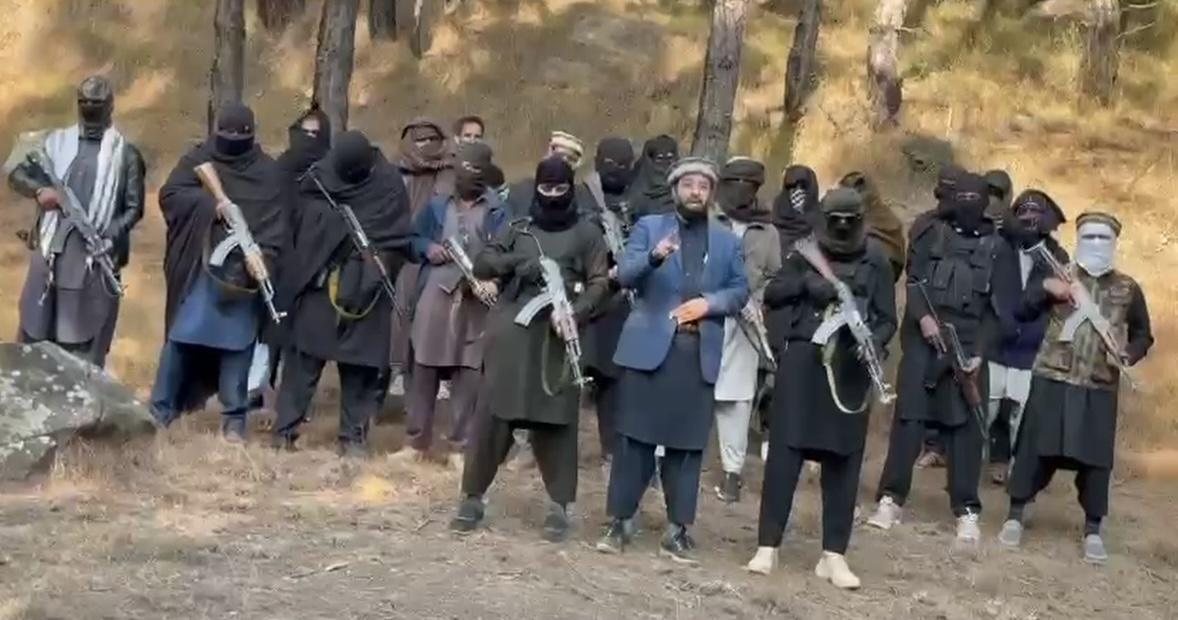
In a carefully timed 10 minute 12 second video broadcast, Shahzad Khan, alias Ghazi Shahzad a former Havildar in the Pakistan Army turned terrorist commander publicly declared an armed uprising against the Pakistani military establishment. Operating under the banner of the Kashmir Janbaz Force, Shahzad announced that his cadre would deploy armed resistance to protect civil demonstrators from state violence.
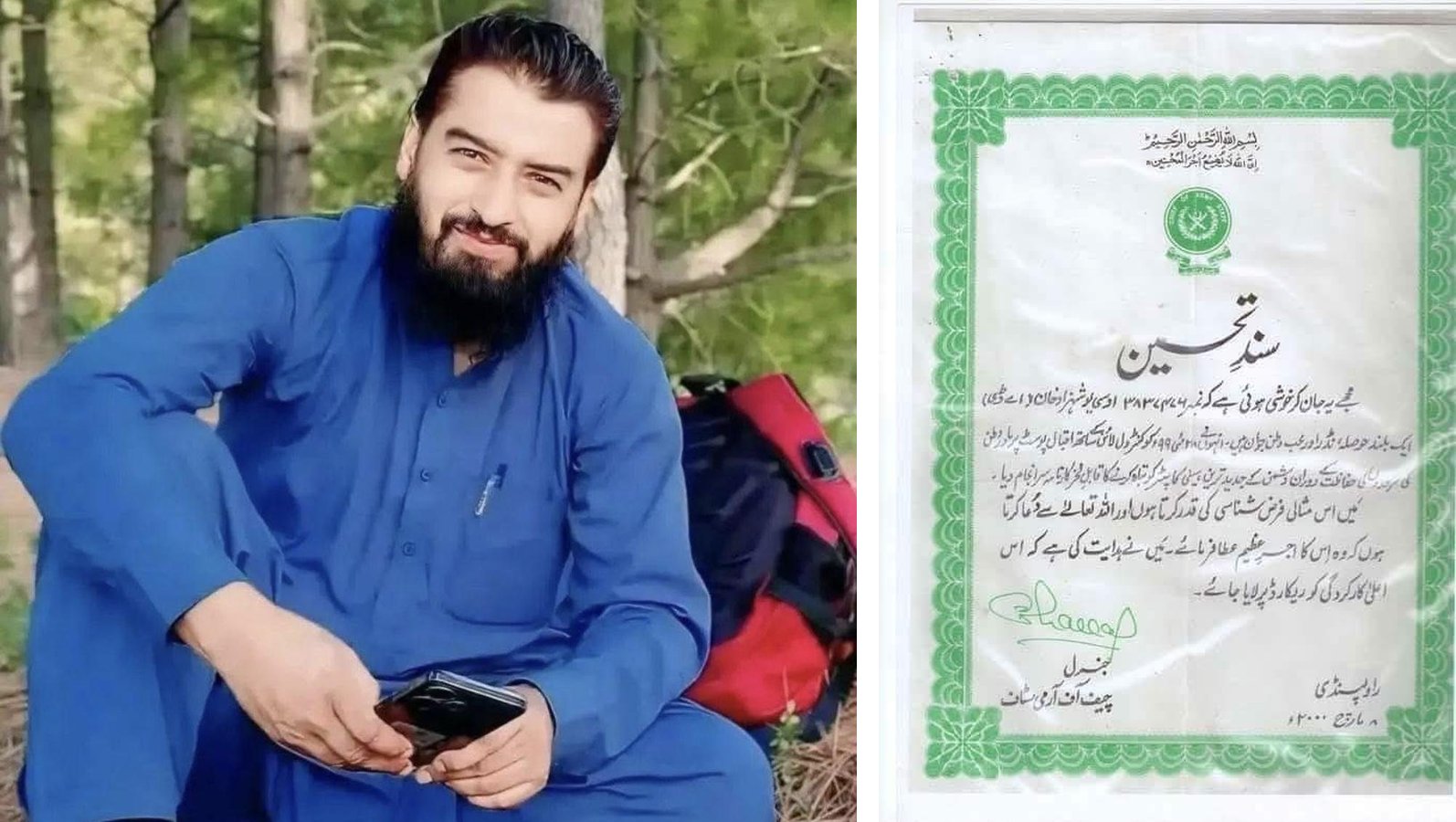
Shahzad’s trajectory reflects a well-documented nexus between state military apparatuses and proxy militant infrastructure. Serving under service number 6747383 within the Pakistan Army’s Air Defense arm, he participated in the 1999 Kargil conflict, for which he was awarded the Imtiazi Sanad the Pakistan Army’s fifth-highest military honor in March 2000 by then-Army Chief General Pervez Musharraf.
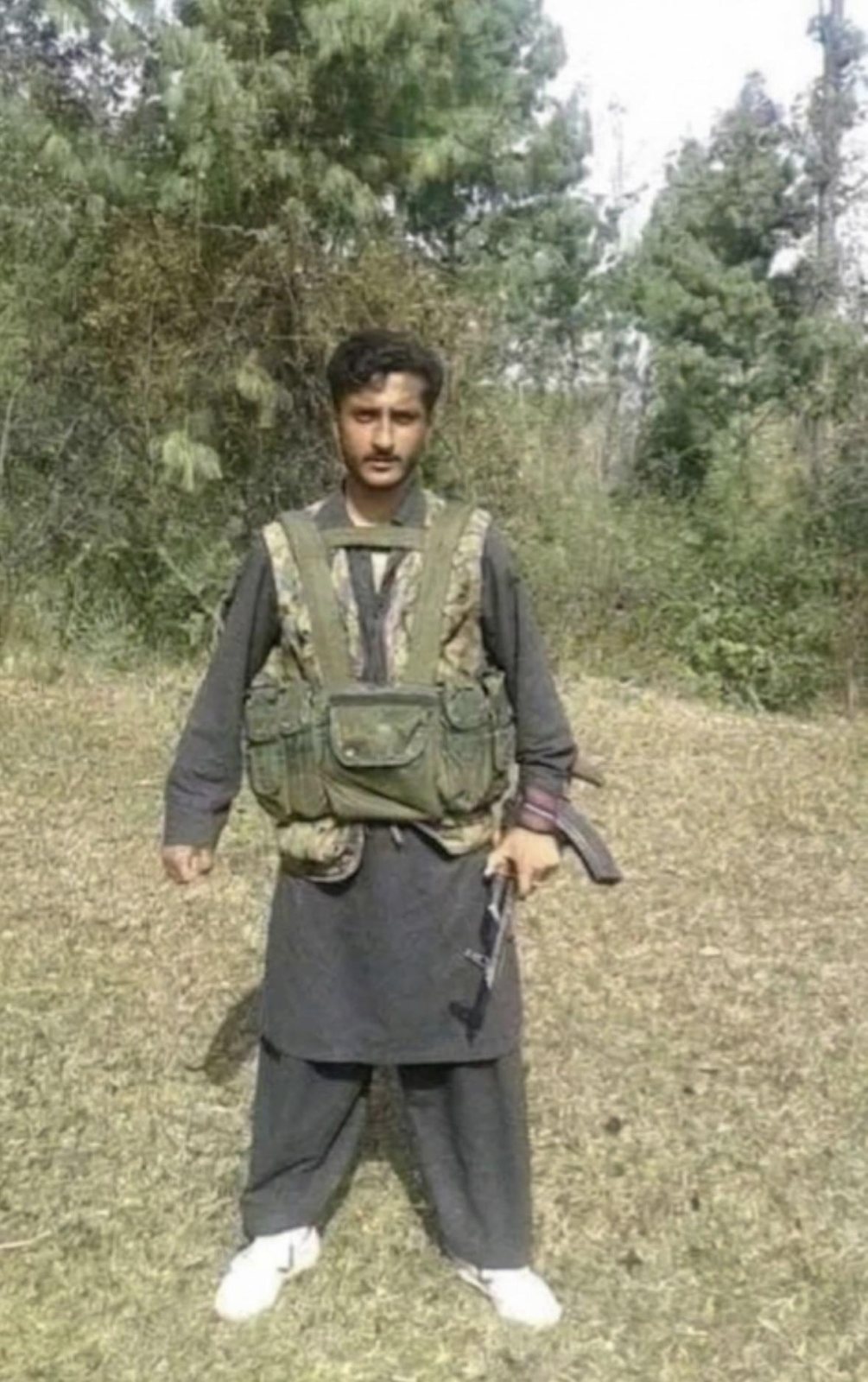
Following his exit from the military in 2001, Shahzad crossed directly into proxy networks, joining Lashkar-e-Taiba (LeT) and managing a key terrorist training module in Bagh, Pakistan-administered Kashmir. In 2007, he infiltrated Indian-administered Jammu and Kashmir, where he was apprehended by Indian security forces and subsequently incarcerated.
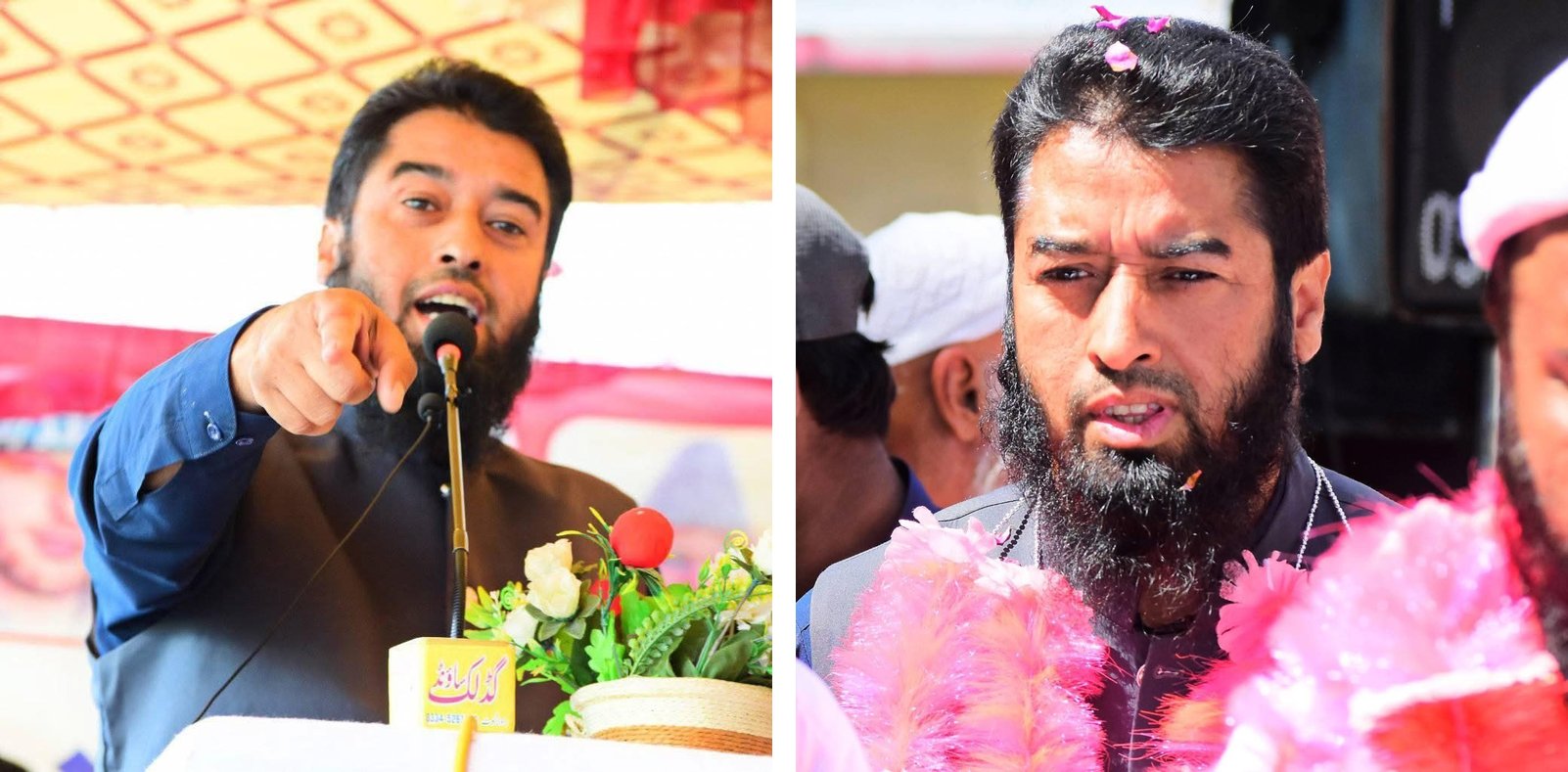
Upon his release and return across the Line of Control, Shahzad integrated into the Jammu Kashmir Ghaznavi Force (JKGF), a known front outfit for LeT. The ISI subsequently attempted to mainstream him politically, fielding him as a candidate from the Palandri constituency under the banner of the Jammu Kashmir United Movement (JKUM), a political shell organization for LeT. The bid failed at the ballot box.
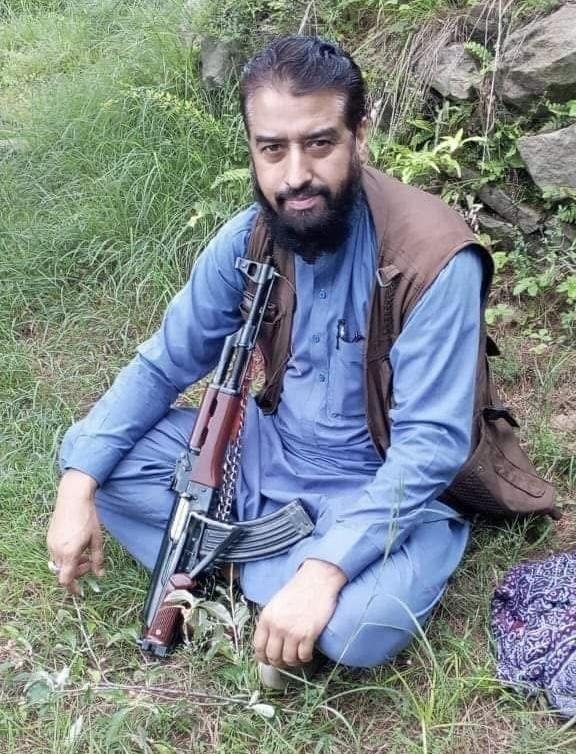
By 2023, under intelligence direction, Shahzad established Tehreek-e-Tawassuf Jammu Kashmir alongside its active wing, the Janbaz Force. Local human rights observers and counter-terrorism analysts note that the outfit primarily served as a tool for extrajudicial neutralization: regional dissidents advocating genuine self-determination or opposing Islamabad's governance were systematically branded as Janbaz Force operatives by police and intelligence handlers to justify targeted assassinations.
In April 2024, amidst shifting internal dynamics, Shahzad was formally arrested by local authorities and remanded to Rawalakot Prison. Exactly thirty days later, he was staged in a high-profile jailbreak alongside key associates. Regional political organizations and civil rights leaders widely denounced the event as an ISI-orchestrated release designed to deploy Shahzad into deep cover. The narrative was reinforced last year when regional police killed two brothers, Zeeshan and Zarnosh, in Rawalakot during a staged encounter, alleging links to Shahzad’s phantom network.
Staged Mediation in Rawalakot
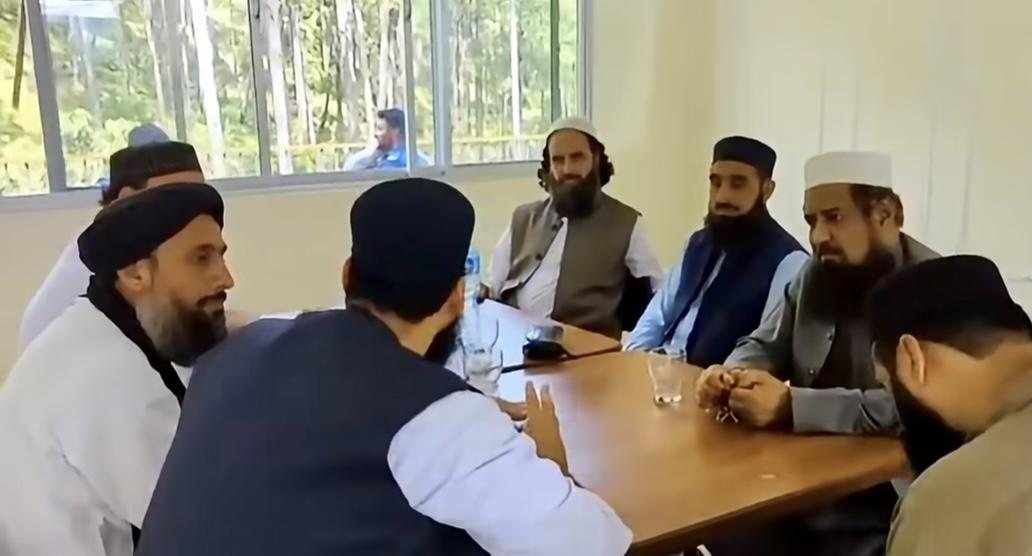
Simultaneous with Shahzad's operational threat, top-tier leadership from the UN-sanctioned terrorist entity Jaish-e-Mohammed (JeM) arrived in Rawalakot to insert themselves as state-backed mediators. For the past 48 hours, talks have been staged out of a high-security guest house in Rawalakot. Leading the delegation is Abdullah Saeed Shah, alias Mazhar Saeed Shah, who serves simultaneously as JeM’s regional chief for Sindh province and as a nominated member of the Legislative Assembly in Pakistan-administered Kashmir. He is accompanied by Masood Ilyas Kashmiri, JeM’s regional head for Pakistan-administered Kashmir and a designated terrorist under India’s Unlawful Activities Prevention Act.
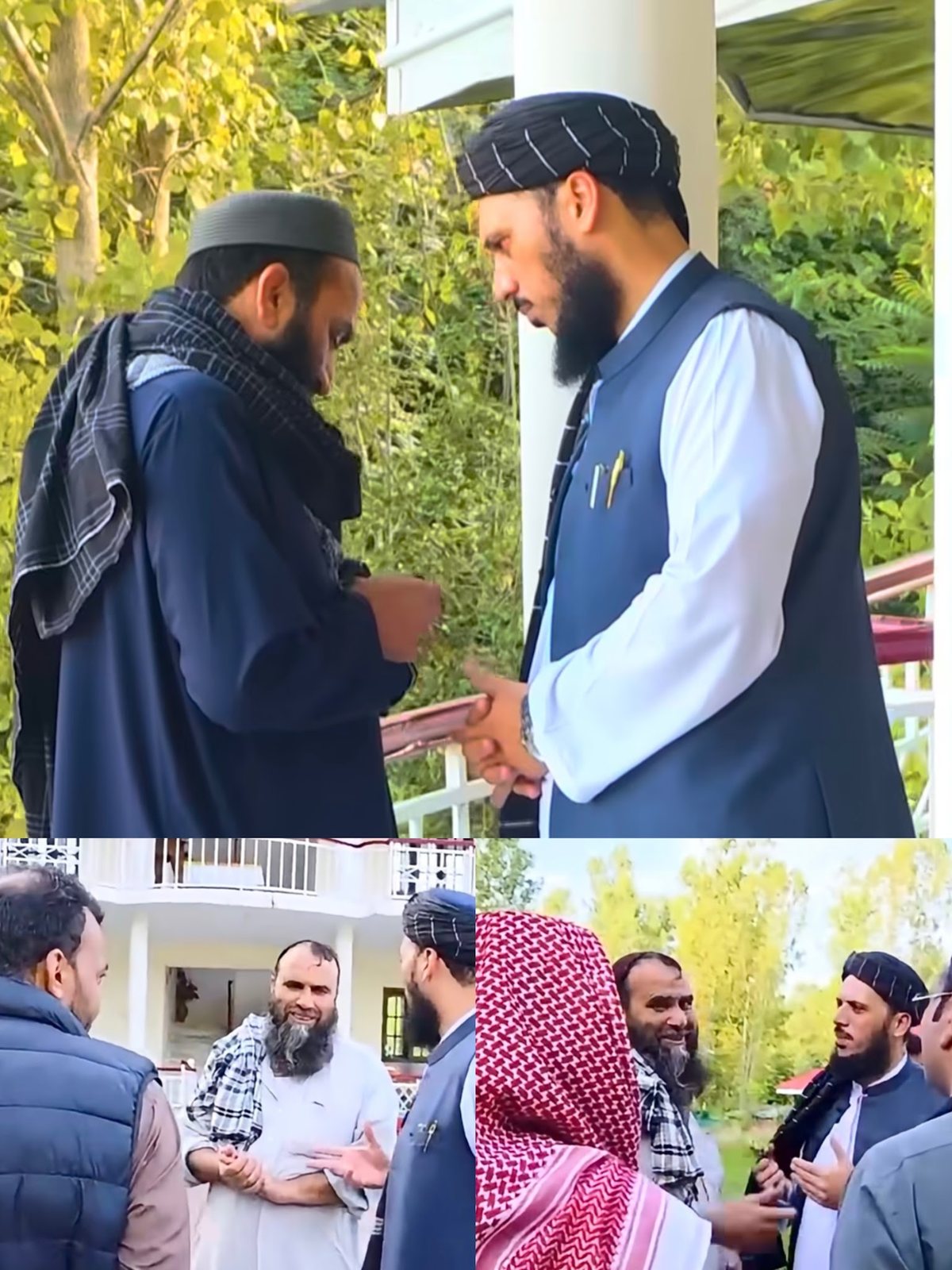
The JeM leadership convened initial strategy sessions with local commanders of pro-establishment Islamist factions, including Jamaat-e-Islami and Jamiat Ulema-e-Islam. Subsequently, the delegation engaged directly with Umar Nazir, a prominent figure in the Awami Action Committee who has been spearheading the 172-day civil resistance movement in Rawalakot.
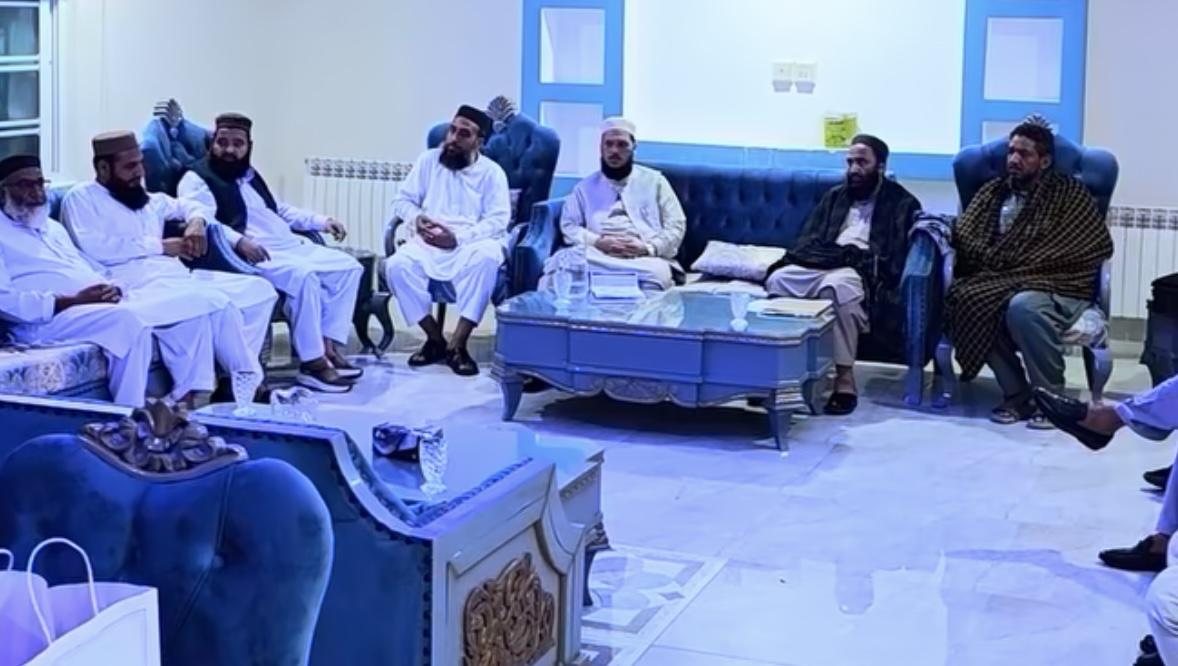
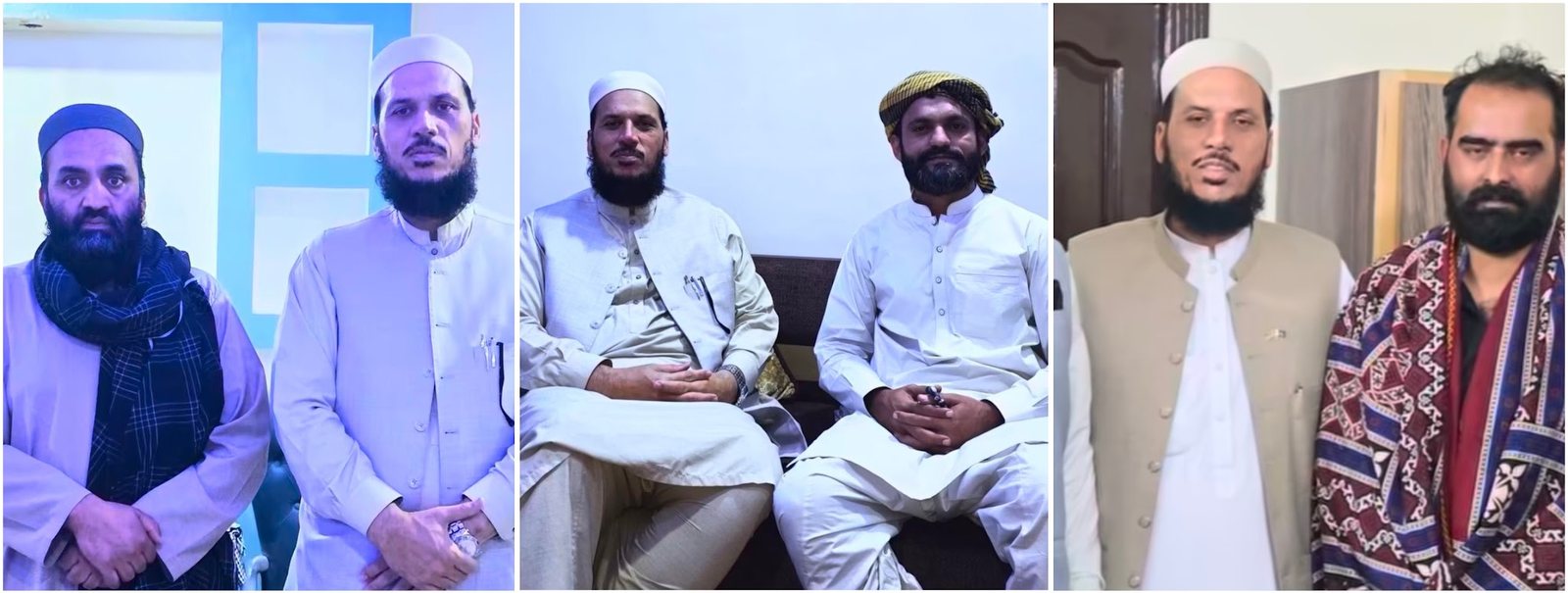
The delegation escalated talks by moving to Nazir’s private residence. There, JeM’s Abdullah Saeed Shah and allied religious party leaders held direct discussions with key Awami Action Committee leadership, including Khawaja Mehran, Sardar Aman Khan, Umar Nazir, and Sardar Imtiaz Alam.
The Blueprint of Pretext and Imminent Crackdown
The simultaneous deployment of a terrorist-led armed rebellion threat and a high-profile peace delegation follows an established doctrine utilized by Pakistani security apparatuses to neutralize political civil unrest.
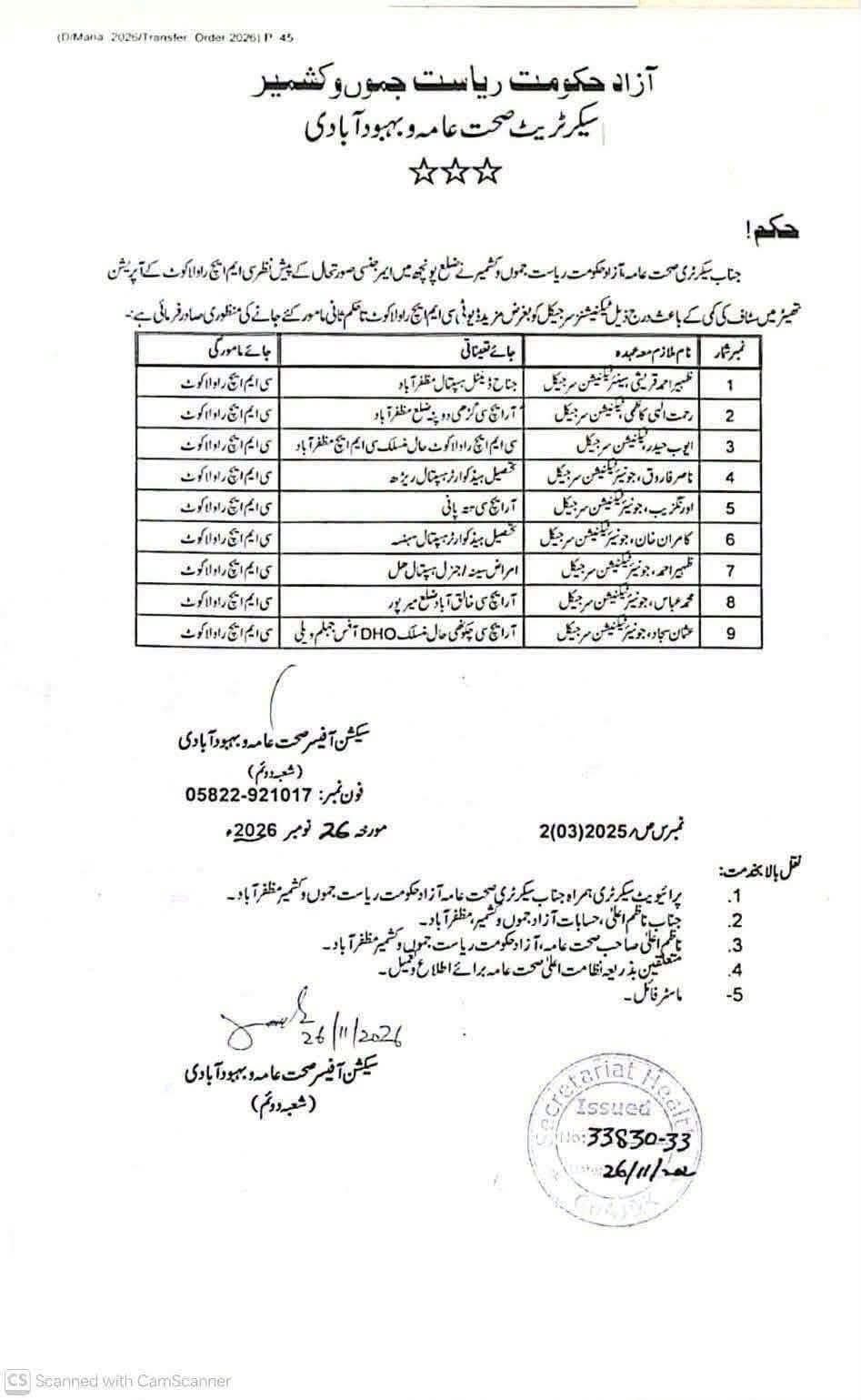
Documents confirm that emergency medical directives have been dispatched across regional administrative sectors. Surgical, trauma, and emergency staff from public hospitals throughout Pakistan-administered Kashmir have been ordered to report immediately to the Combined Military Hospital in Rawalakot. The official directives explicitly cite the rapidly deteriorating security baseline in the district. The operational reality indicates that Pakistani paramilitary units primarily the Pakistan Rangers, who have been implicated in lethal force resulting in at least 158 civilian casualties since June 7 are mobilizing for a comprehensive tactical operation.
This multi-pronged intelligence operation directly mirrors previous security crackdowns executed against Pakistan Tehreek-e-Insaf demonstrations in Islamabad in 2024 and Tehreek-e-Labbaik Pakistan mobilizations in 2025. In the initial phase of information operations, the ISI orchestrates a public threat matrix via proxy assets like Ghazi Shahzad, establishing an official narrative that armed terrorists have infiltrated civilian protest structures.
Simultaneously, state-sanctioned proxy leaders such as JeM commanders engage civil rights leaders in public talks, providing diplomatic cover by demonstrating state attempts at peaceful resolution while pinning the protest leadership to known physical coordinates. Finally, the military establishment launches a heavy kinetic execution, framing the crackdown not as the suppression of democratic dissent, but as a mandatory counter-terrorism operation against rogue violent actors. With military medical infrastructure placed on high alert and paramilitary troops assembling, Rawalakot stands on the precipice of an aggressive military campaign designed to forcibly terminate the 172-day uprising under the cover of counter-terrorism operations.
Reader comments
Subscribers can join the conversationSign in to join the conversation. Comments are open to everyone with a free account.
Sign in or create accountLoading comments…