
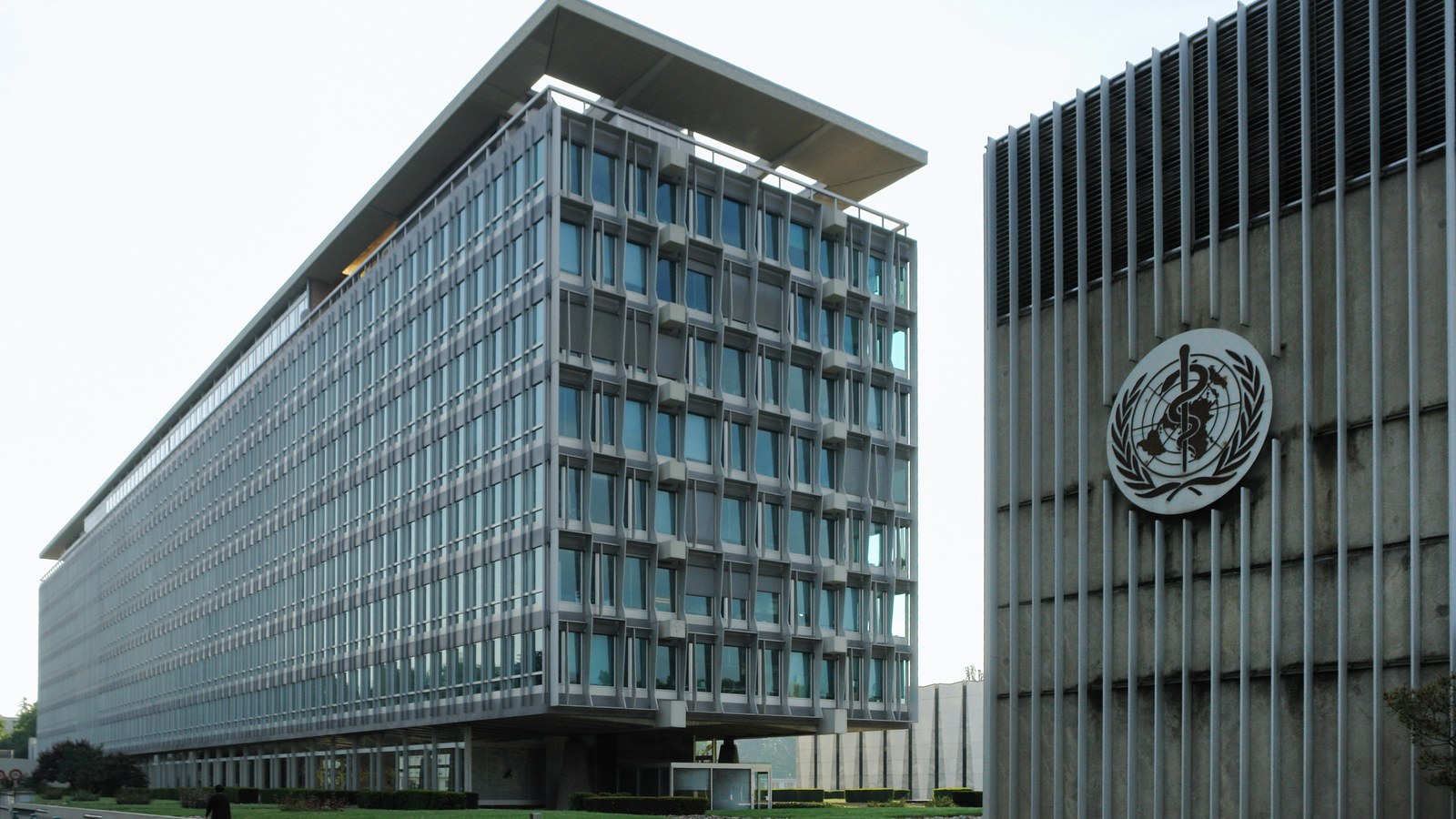
The World Health Organization and Peking University have entered a two-year collaboration intended to strengthen health-emergency preparedness through research, training and new analytical approaches.
WHO said on 21 August that the work would include operational and implementation research, training on preparedness tools such as simulation exercises and after-action reviews, and methods for assessing preparedness investments and measuring their impact. The agreement runs from 1 August 2026 to 31 July 2028, with a possible extension by mutual agreement.
The announcement matters because emergency preparedness is often discussed as a technical gap rather than a question of institutional power, public investment and knowledge-sharing. The agreement itself is confirmed; its results are not. Whether the work reaches public-health systems under greatest pressure, how it is financed and what evidence will count as proof of improved readiness all remain open.


Reader comments
Subscribers can join the conversationSign in to join the conversation. Comments are open to everyone with a free account.
Sign in or create accountLoading comments…