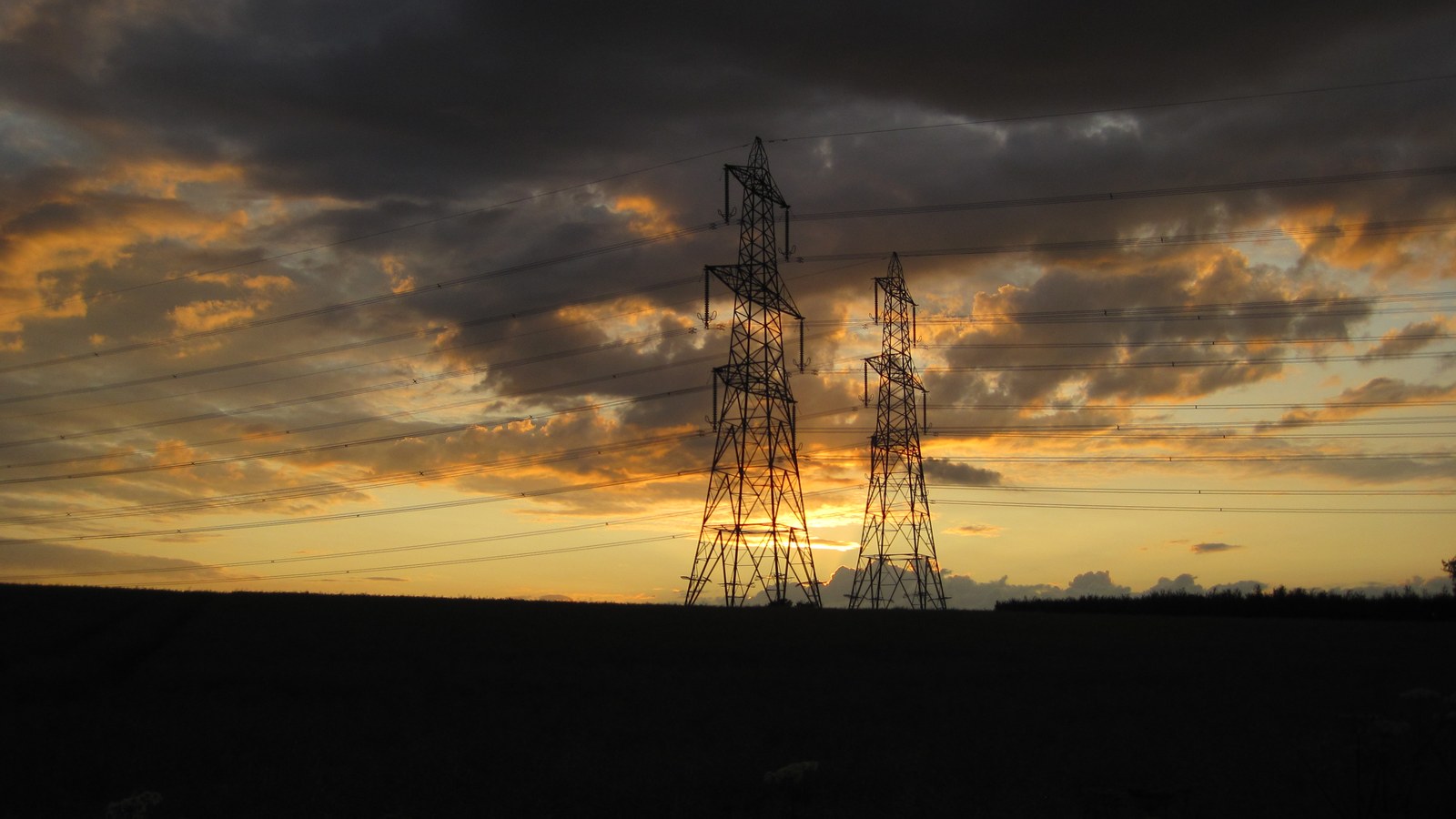
The White House has declared a national emergency over what it describes as national-security risks associated with foreign-supplied equipment used in the United States bulk-power system.
The 26 August order directs federal agencies to develop recommended changes to procurement rules and to prioritise United States-manufactured energy infrastructure in relevant federal purchasing. It describes the foreign supply of bulk-power equipment as an unusual and extraordinary threat to national security, foreign policy and the economy.
The order is significant because transformers, transmission components, substations and power electronics are long-lived parts of critical infrastructure. A supply-chain decision can shape security, maintenance and replacement options for years. The administration’s fact sheet presents the measure as part of a wider push to secure energy infrastructure and domestic manufacturing capacity.
But the policy language should not be inflated into a breaking incident. The published order does not say that a named foreign government or company has caused a blackout, penetrated a control system or disrupted electricity supplies. It is an emergency declaration about risk and procurement, not a public incident report.
A strong follow-up would examine the rulemaking process, the equipment categories affected, possible effects on utilities and the evidence standards that will be used to assess risk. It should also seek views from grid operators, manufacturers and independent security specialists. The immediate fact is clear: Washington has declared a policy emergency; the operational consequences will depend on the rules that follow.

Reader comments
Subscribers can join the conversationSign in to join the conversation. Comments are open to everyone with a free account.
Sign in or create accountLoading comments…