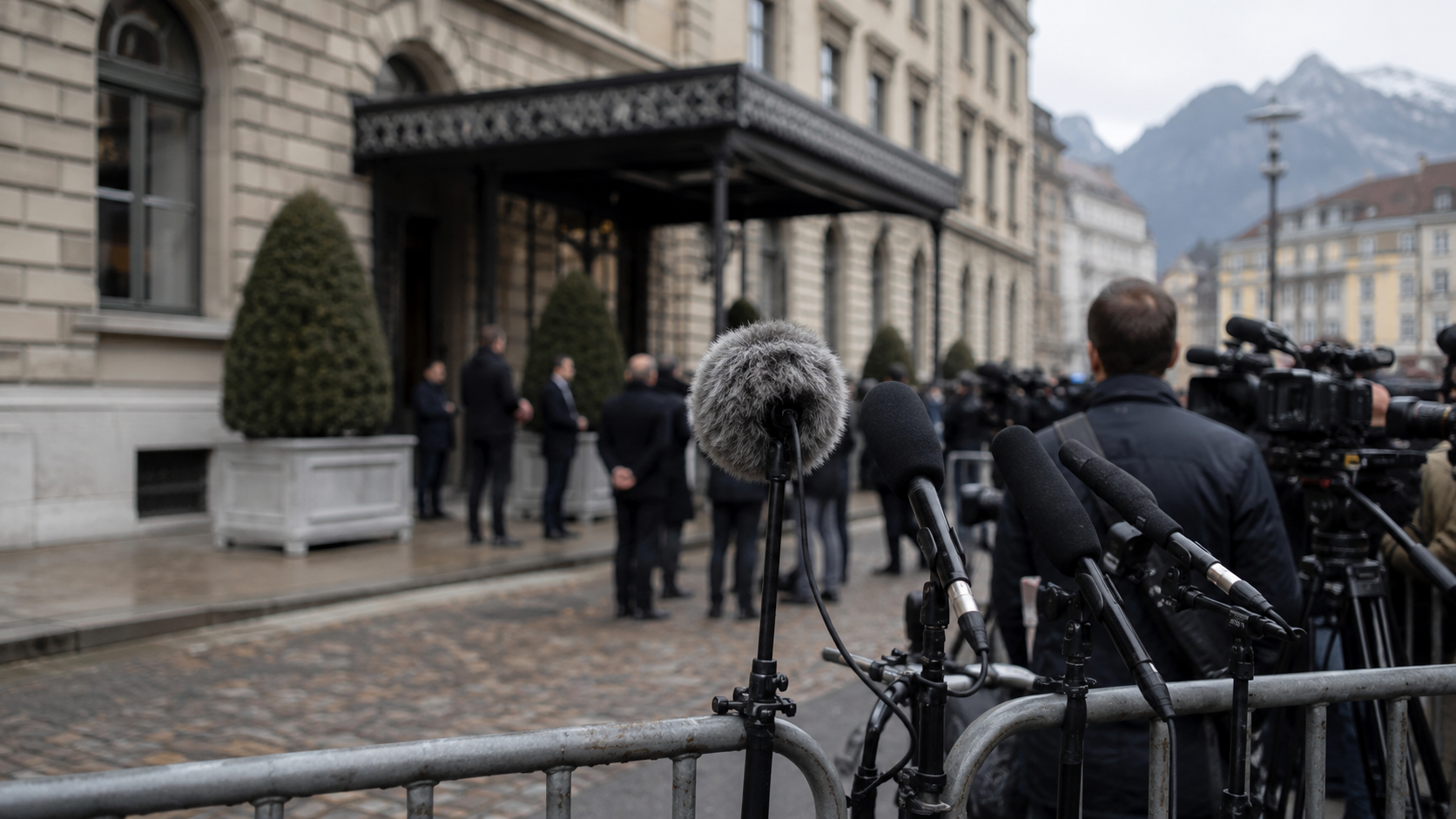
US and Iranian officials have held high-level talks in Switzerland in the clearest diplomatic opening yet toward a wider settlement of the conflict involving the United States, Israel and Iran.
Vice President JD Vance said the talks created a “good foundation” for a final agreement, according to AP reporting from Switzerland. Pakistani and Qatari mediators also said technical negotiations would continue, including work on mechanisms linked to shipping through the Strait of Hormuz and de-escalation in Lebanon.
The talks appear to have moved beyond symbolic contact. AP reported that the discussions covered Hormuz shipping, sanctions relief, Iranian assets and possible access for the International Atomic Energy Agency. But Tehran has not publicly confirmed all elements described by US officials, including the precise status of any inspection arrangements.
That gap matters. Nuclear monitoring, sanctions waivers and the future of Iranian oil exports are not technical details; they are the parts of any agreement most likely to determine whether a ceasefire can become a durable settlement.
Markets and regional governments will be watching the next phase closely. The Strait of Hormuz remains one of the world’s most important energy chokepoints, while fighting involving Israel and Hezbollah in Lebanon has become a major test of whether diplomacy can contain the wider war.
For now, the responsible reading is cautious: talks have produced momentum, but not a final settlement.

Reader comments
Subscribers can join the conversationSign in to join the conversation. Comments are open to everyone with a free account.
Sign in or create accountLoading comments…