The United States and Iran have gone three consecutive days without reporting direct attacks on one another, creating the clearest diplomatic opening since the latest escalation began.
Regional officials say mediators led by Qatar and Pakistan have made progress in trying to bring Washington and Tehran back to negotiations. Their immediate objective is to restore an interim ceasefire framework that was badly damaged by nearly two weeks of bombardment and retaliation.
The absence of direct strikes is important, but it is not yet a formal ceasefire. Neither side has announced a binding agreement, and both continue to warn that military action could resume if the other changes course.
A pause after sustained escalation
The latest confrontation intensified after attacks on commercial shipping in and around the Strait of Hormuz were followed by repeated American strikes on Iranian targets. Iran, in turn, launched retaliatory operations against US-linked positions and regional interests.
For three days, however, Washington and Tehran have allowed the direct exchange of fire to stop. US officials have described the pause as an opportunity to give diplomacy space, while Iran has indicated that it will continue to hold fire if American bombing does not resume.
That understanding remains informal. It depends on restraint rather than an agreed enforcement mechanism, leaving both governments vulnerable to events they may not fully control.
Qatar and Pakistan move to bridge the gap
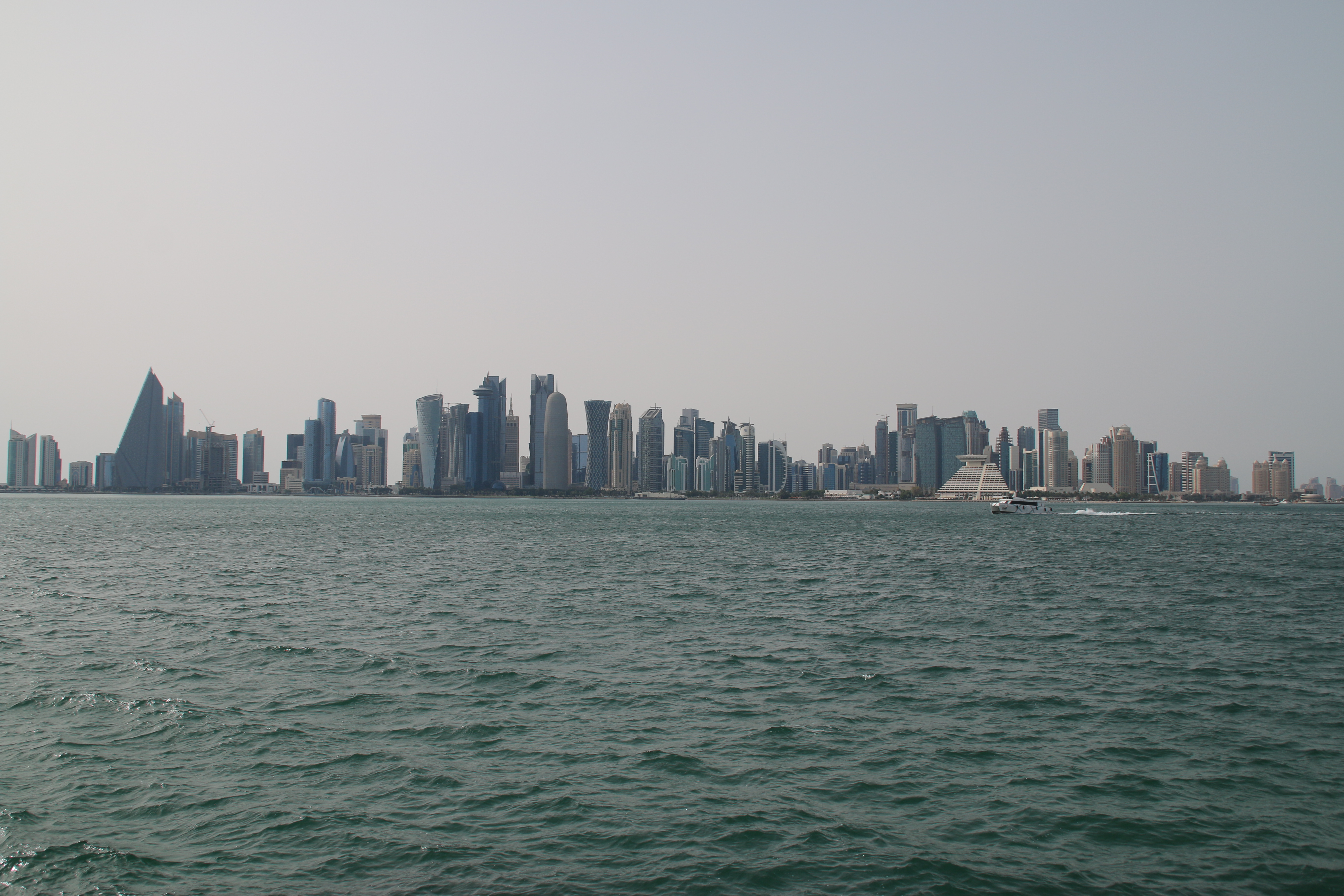
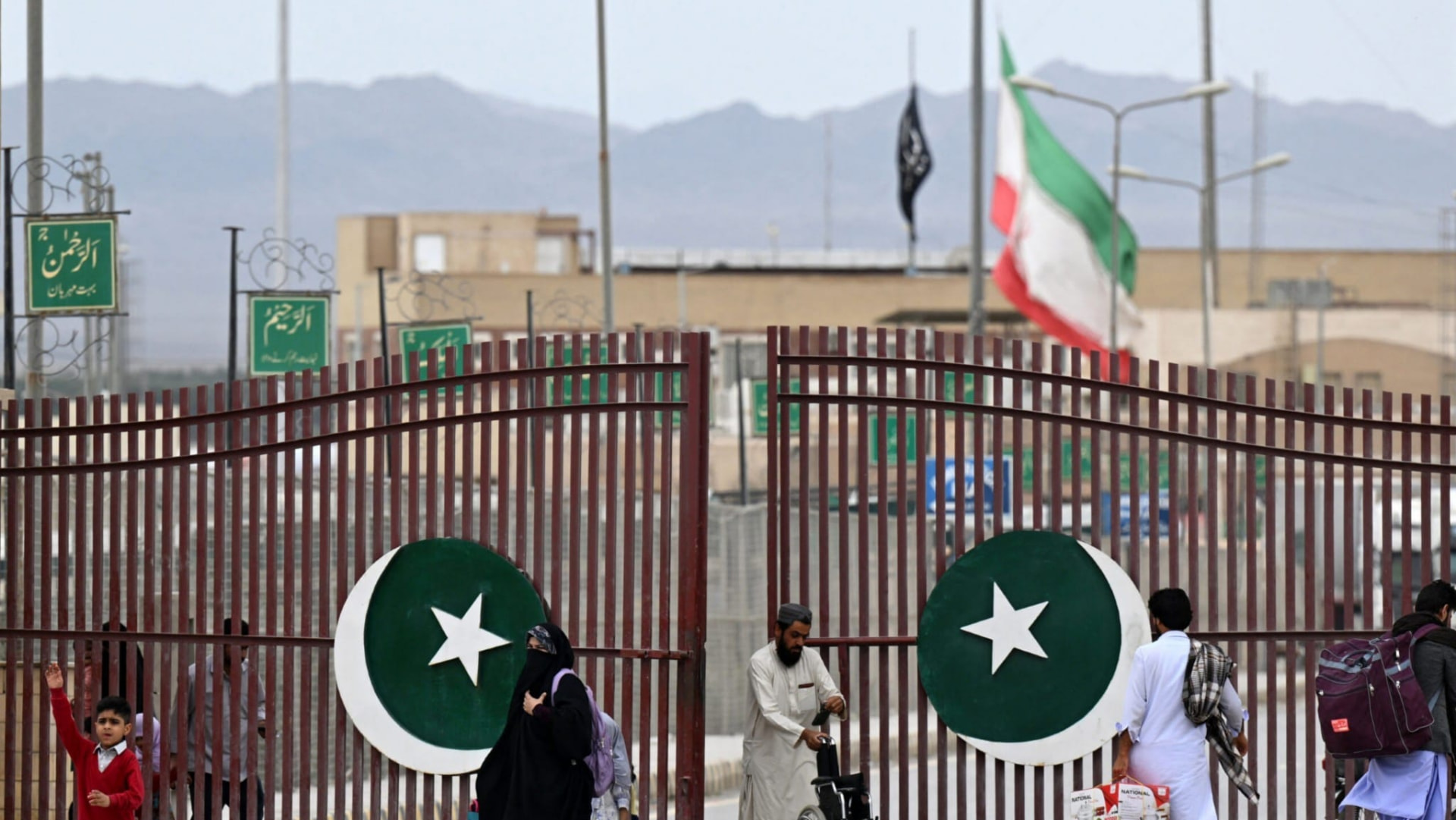
Qatar and Pakistan have emerged as central intermediaries because both retain channels with Washington and Tehran. The mediators are reportedly attempting to revive an interim arrangement and create conditions for more substantive negotiations.
Oman is also expected to play an important role, particularly in discussions over navigation through the Strait of Hormuz. The waterway is vital to global energy markets, and any renewed threat to commercial vessels could rapidly undo the diplomatic progress made so far.
The challenge is that the dispute extends beyond the direct US-Iran confrontation. Iran-backed armed groups remain active across the region, while Israel, the Houthis and other actors retain their own military and political calculations.
Markets respond, but the risk remains
Oil prices fell as markets reacted to the pause, reflecting relief that a wider disruption to energy supplies may have been avoided for the moment. The reaction also showed how quickly the conflict has become tied to the global economic outlook.
A durable agreement would need to address the security of commercial shipping, the conditions under which US strikes would remain suspended and the actions of regional armed groups. Without those elements, the current calm could prove temporary.
The next several days will test whether the pause can become a negotiated settlement or whether it was simply an interval between rounds of escalation. For now, diplomacy has been given an opening. It has not yet produced peace.


Reader comments
Subscribers can join the conversationSign in to join the conversation. Comments are open to everyone with a free account.
Sign in or create accountLoading comments…