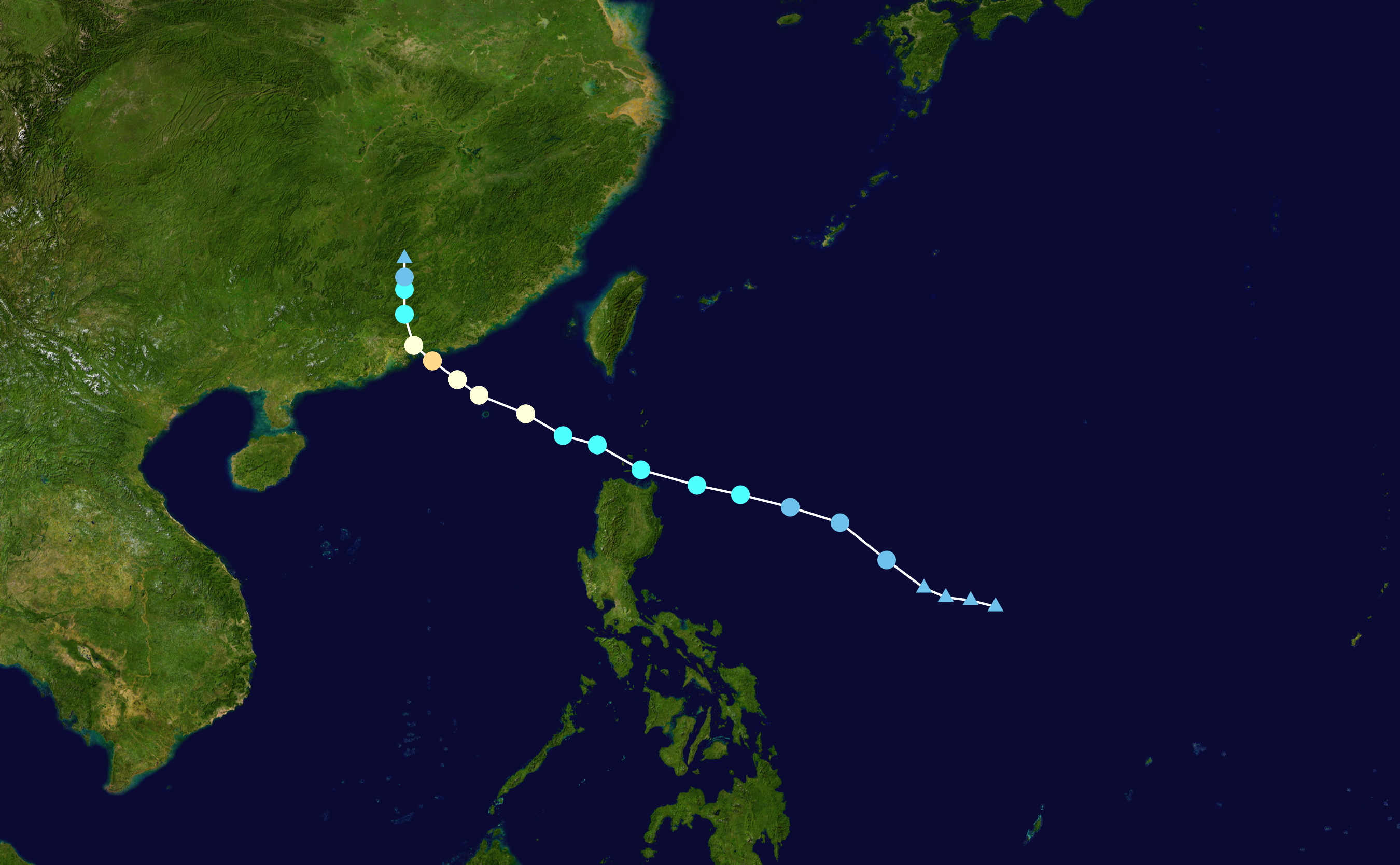
Typhoon Noul has weakened after making landfall in southern China, but authorities are continuing to warn of flooding, landslides and damage to infrastructure after one of the largest evacuation operations of the year.
More than 800,000 people were moved to safety in Guangdong province before and during the storm, according to the latest official reporting carried by the Associated Press.
Noul came ashore along the Guangdong coast with destructive winds and heavy rain, making it the strongest typhoon to make landfall in China so far this year.
Flights cancelled and transport disrupted
The storm caused widespread disruption across Guangdong and Hong Kong. Hundreds of flights were cancelled, rail services were suspended and local authorities closed schools, businesses and public facilities as the highest weather warnings came into force.
Hong Kong’s government said temporary shelters were opened across the territory. Hospitals treated more than 20 people for injuries recorded during the typhoon period, while emergency departments received hundreds of reports involving fallen trees and local flooding.
Parts of building scaffolding were damaged, roads were blocked and power supplies were interrupted in affected areas. The full financial cost will take longer to assess as local authorities inspect homes, transport links and coastal infrastructure.
The danger moves inland
Noul weakened as it moved away from the coast, but a weaker tropical system can still produce dangerous rainfall. China’s water and emergency authorities raised flood-control responses in several provinces because saturated ground and steep terrain increase the risk of mountain torrents and landslides.
The government allocated emergency recovery funds as rescue and repair teams began clearing debris and restoring transport. Officials warned residents not to return to vulnerable areas until local safety restrictions were lifted.
The storm is the third tropical system to make landfall in China within a month, placing repeated pressure on emergency services and transport networks during the peak typhoon season.
A regional weather emergency
Before reaching China, Noul affected parts of the Philippines and brought rain to southern and eastern Taiwan. Its path through a densely populated and economically important coastal region increased the potential for disruption far beyond the immediate landfall zone.
Guangdong is one of China’s largest manufacturing and export centres. Extended closures at ports, factories and airports can affect supply chains even when physical damage is limited.
The immediate emergency is now shifting from wind to water. Rescue teams and local officials will be watching river levels, mountain areas and damaged urban drainage systems as the remaining rain bands move inland.
Noul is weakening, but the response is not over. For hundreds of thousands of evacuated residents, the next stage will be determining when it is safe to return and what remains of their homes, businesses and local infrastructure.


Reader comments
Subscribers can join the conversationSign in to join the conversation. Comments are open to everyone with a free account.
Sign in or create accountLoading comments…