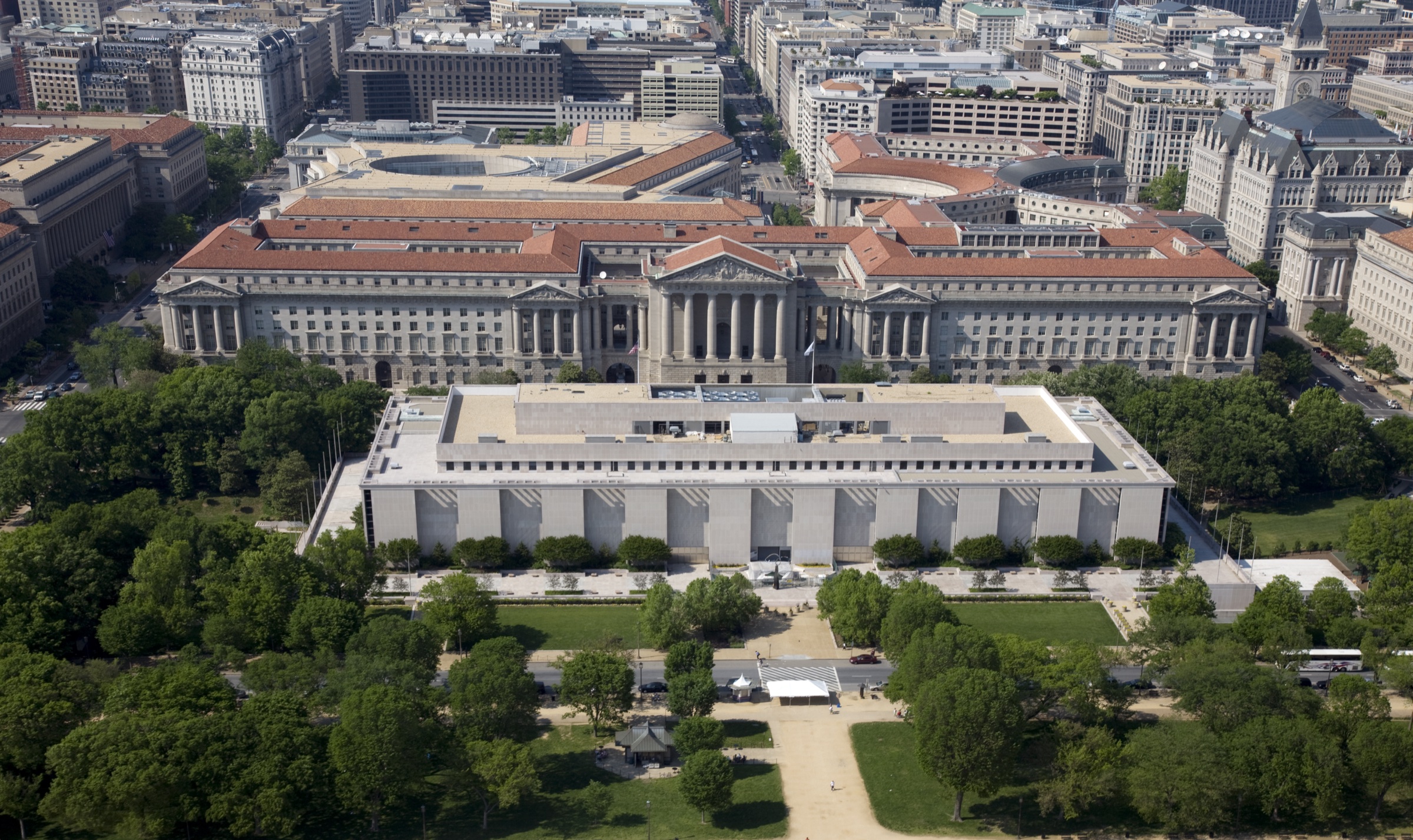
President Donald Trump has ordered temporary warning signs to be installed outside the Smithsonian Institution's National Museum of American History, escalating his administration's confrontation with one of the United States' most prominent cultural institutions.
The executive order directs the National Park Service to place signs along federally maintained sidewalks and walkways used to access the museum. The notices are intended to tell visitors that exhibits should be revised in line with a White House review and to direct them towards resources the administration considers more accurate.
The order does not directly rewrite displays inside the museum. The Smithsonian has a distinctive governance structure and is overseen by a Board of Regents rather than operating as an ordinary executive agency. The White House is instead using authority over surrounding federal land, contracts, funding and administrative relationships.
A fight over the national story
Trump has accused Smithsonian leaders of presenting American history through an ideological framework that focuses excessively on injustice, social conflict and identity. The administration says national museums should offer a more unifying and celebratory account of the country's founding and achievements.
The White House review criticised the National Museum of American History for what it described as inaccurate or incomplete interpretations and for failing to give sufficient prominence to the 56 signers of the Declaration of Independence during the country's 250th anniversary year.
The executive order also calls for temporary exhibits or signage on National Park Service land to challenge information presented inside the museum.
Museum leadership pushes back
Anthea M. Hartig, the museum's director, has defended its research, curatorial standards and educational mission. During congressional testimony, she rejected the claim that the institution erases traditional American history and said the museum seeks to expand the national narrative by including people and experiences that were previously overlooked.
Supporters of the Smithsonian argue that serious history must include the country's achievements alongside slavery, displacement, inequality and political conflict. They warn that government pressure could turn public museums into instruments of the administration in power.
Trump's allies counter that federally supported institutions have already embraced a narrow ideological approach and require political accountability.
Culture and executive power
The dispute is part of a broader effort by the Trump administration to reshape cultural and educational institutions. The White House has challenged diversity programmes, historical interpretations and artistic leadership that it believes undermine national pride or conservative values.
The Smithsonian confrontation is especially significant because the institution holds millions of objects and documents that shape how Americans and international visitors understand the country.
Temporary signs may appear modest compared with changing an exhibition, but they establish a direct competing narrative at the entrance to the museum. Visitors would encounter the administration's judgement before reaching the curators' interpretation inside.
The practical effect will depend on how quickly the National Park Service acts and what the signs say. The political effect is already clear: a dispute over museum labels has become a test of institutional independence, executive influence and control over America's public memory.


Reader comments
Subscribers can join the conversationSign in to join the conversation. Comments are open to everyone with a free account.
Sign in or create accountLoading comments…