
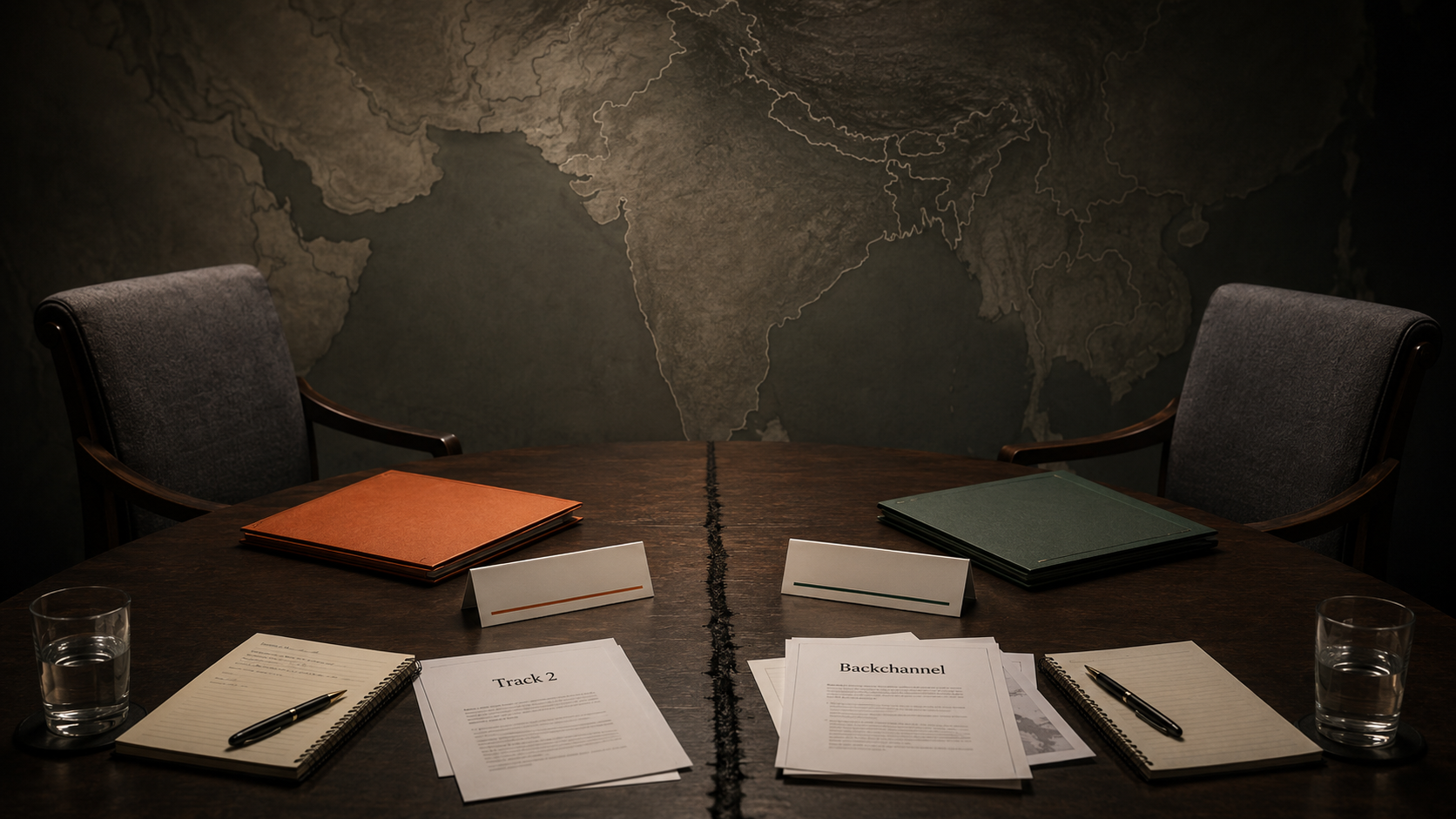
Recent speculation surrounding alleged Track 1.5 and Track 2 engagements between India and Pakistan following a couple of meetings in Colombo and Thailand has once again triggered debate over the future of bilateral relations. The discussion gained momentum after claims carefully pushed by Pakistan’s deep state in media suggested that New Delhi was showing renewed interest in backchannel or unofficial dialogue, particularly in the context of issues such as the reopening of Pakistani airspace and broader regional engagement. These assertions have been amplified by some commentators in India also who argue that a diplomatic thaw may be underway.
However, India's official response has been categorical. Foreign Secretary Vikram Misri has dismissed such reports as inconsequential private initiatives, emphasizing that they carry no official mandate, support, or participation from the Government of India. According to New Delhi, individuals attending such forums—including retired diplomats, former military officers, and members of civil society—speak solely in their personal capacities and do not represent the Indian state's position.
The sharp contrast between the narrative being projected by some quarters and the Indian government's stated position reflects a deeper strategic reality that is often overlooked in discussions about India-Pakistan engagement. The question is not whether unofficial dialogues take place—they have occurred for decades in various forms across the world—but whether India's current strategic assessment supports a return to the assumptions that once underpinned such initiatives. Increasingly, the answer from New Delhi appears to be no. To understand why India today remains reluctant to attach significance to unofficial diplomatic processes, one must first understand the strategic reassessment that has taken place in New Delhi over the past several decades.
India’s New Strategic Reality
India’s recent approach toward its relationship with Pakistan must be understood within a much larger historical and security context. Any assessment that examines the alleged backchannel communications in isolation risks overlooking the central reality that has shaped New Delhi’s thinking for decades: repeated terrorist attacks originating from Pakistani soil, the persistent use of cross-border terrorism as an instrument of pressure, and the inability of successive peace initiatives to deliver meaningful and lasting change. For more than seven decades, India has consistently demonstrated a preference for dialogue, diplomacy, and restraint. Even in the face of grave provocations, New Delhi has repeatedly chosen engagement over escalation. From bilateral talks and confidence-building measures to international appeals and people-to-people initiatives, India has invested significant political capital in the belief that peaceful engagement could eventually create conditions for stable relations. However, the experience of the past several decades has steadily eroded confidence in the effectiveness of this approach.
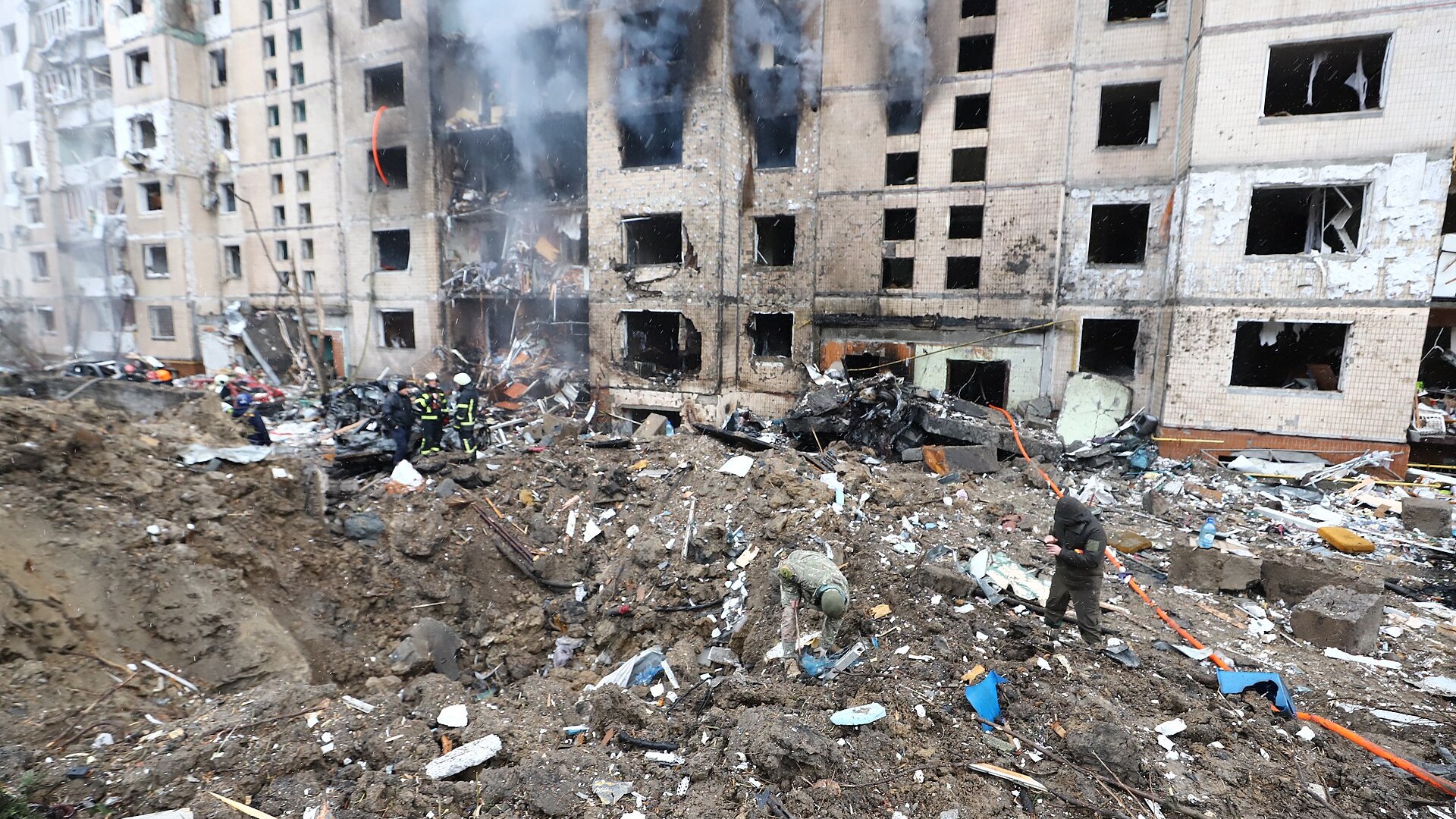
India has endured a long series of terrorist attacks that have targeted its civilians, democratic institutions, and security personnel. The attacks on Mumbai in 1993, the assault on Parliament in 2001, the Mumbai attacks of 2008, the attacks in Pathankot and Uri, and numerous incidents in Jammu and Kashmir collectively represent not isolated episodes but a sustained pattern of violence linked to cross-border terrorist networks. These incidents have imposed enormous human and economic costs while repeatedly undermining attempts at reconciliation. What has particularly shaped Indian strategic thinking is the perception that terrorism has often been employed as a tool of coercive statecraft. Periods of diplomatic engagement have frequently been interrupted by major terror attacks, creating a cycle in which dialogue and violence coexist uneasily. For many in India, this pattern has reinforced the belief that terrorism is not merely a security challenge but a deliberate pressure tactic that cannot be separated from the broader bilateral relationship.
Successive Indian governments, irrespective of political affiliation, have exercised remarkable restraint in responding to such provocations. Following major terrorist incidents, India repeatedly resisted calls for large-scale military escalation and instead pursued diplomatic channels, international cooperation, and confidence-building mechanisms.
After the 2001 Parliament attack, India mobilized its forces but ultimately refrained from crossing the threshold into war. Following the 2008 Mumbai attacks, despite immense public anger and clear evidence of the scale and sophistication of the assault, India chose international diplomatic pressure and legal engagement over immediate military retaliation. Even after subsequent attacks, New Delhi continued to engage in dialogue whenever opportunities emerged, often in the hope that sustained communication could create incentives for a more peaceful relationship. India’s restraint has therefore not been the product of weakness or indifference. Rather, it has reflected a deliberate strategic choice rooted in a commitment to regional stability, responsible statecraft, and the recognition that conflict between two nuclear-armed neighbours carries enormous risks. Yet restraint, in the absence of meaningful change on the ground, has also generated a reassessment of long-held assumptions. The central lesson drawn by many policymakers in New Delhi is that the separation between terrorism and broader bilateral cooperation has become increasingly difficult to sustain. For years, India attempted to insulate certain areas of engagement from the security challenges posed by cross-border terrorism. The hope was that dialogue, economic cooperation, and treaty obligations could continue even during periods of political tension. However, repeated experiences have led to a different conclusion: cooperative frameworks cannot remain entirely detached from the security environment in which they operate. When terrorism continues to inflict human costs and repeatedly disrupt bilateral relations, it becomes increasingly untenable to expect that other areas of cooperation can function as though these realities do not exist.
India’s evolving position reflects this strategic reassessment. The message emerging from New Delhi is that terrorism and bilateral cooperation can no longer be treated as separate compartments. A relationship cannot simultaneously seek the benefits of cooperation while remaining unaffected by persistent security threats that undermine trust and stability. This shift does not represent a rejection of peace or diplomacy. India has consistently stated that it remains committed to peaceful relations and constructive engagement. Rather, it reflects the belief that durable cooperation requires an environment free from terrorism and violence. Dialogue and agreements can succeed only when they are supported by mutual trust and genuine efforts to address the sources of instability. In this sense, India’s current approach is not the abandonment of restraint but the consequence of decades of restraint. It is the product of repeated attempts at engagement that were repeatedly interrupted by terrorism and of a growing conviction that old frameworks have failed to produce lasting results. Understanding India’s position therefore requires acknowledging the cumulative weight of history. For decades, India absorbed repeated provocations, pursued dialogue despite setbacks, and consistently exercised strategic patience. The reassessment now underway stems from the conclusion that peace initiatives cannot indefinitely coexist with recurring acts of cross-border terrorism.
The essential argument is straightforward: terrorism and treaty cooperation are not isolated domains existing in separate silos. Trust, cooperation, and stability are interconnected. If terrorism continues to shape the security environment, it inevitably influences the viability of broader bilateral arrangements. India’s position today reflects the belief that meaningful cooperation must be accompanied by credible action against terrorism and that enduring peace cannot be built while violence remains a recurring instrument of pressure.
Ultimately, India’s reassessment has been shaped not by a rejection of peace, but by the cumulative experience of decades in which overtures for dialogue were repeatedly met with violence. While India consistently pursued diplomacy, confidence-building measures, and restraint, Pakistan allowed terrorist groups operating from its soil to remain a persistent source of instability, using cross-border terrorism as an instrument of pressure against India. The repeated targeting of Indian civilians and security personnel has steadily eroded the belief that cooperation can be insulated from security concerns. For New Delhi, the lesson of the past several decades is clear: meaningful engagement and treaty cooperation cannot endure in an environment where terrorism continues to be tolerated as a tool of statecraft. India’s current position, therefore, is not a departure from restraint but the consequence of its prolonged and often unreciprocated exercise.
Reader comments
Subscribers can join the conversationSign in to join the conversation. Comments are open to everyone with a free account.
Sign in or create accountLoading comments…